
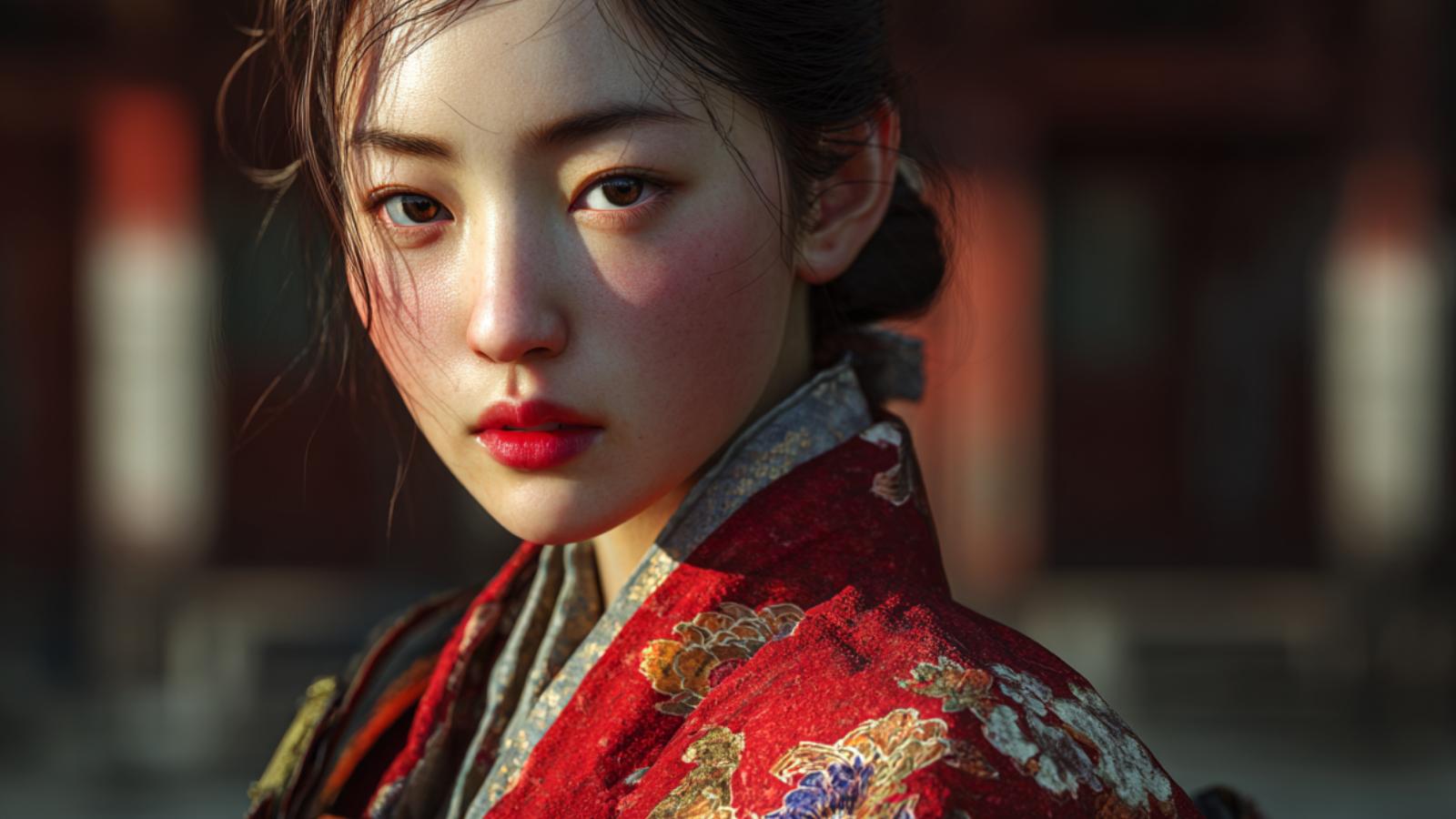
“心無二念、平静無為。”
— With a mind free of duality, remain calm and act without force.

| Lead 統率 |
Valor 武勇 |
Intel 知略 |
Pol 政治 |
|---|---|---|---|
| 70 | 65 | 75 | 80 |
| Name (JP) | 瑞渓院 |
|---|---|
| Title | Zen Master |
| Clan / Force | Unknown |
| Era | 1537 – 1604 |
| Origin | Miyoshi |
| Key Battles | |
| Arts | Zen Buddhism, Calligraphy |
About Zuikei-in
His was steeped in spiritual training, which sharpened his intellect and shaped his worldviews.
The tumultuous Sengoku period influenced his path as he sought to contribute to the peace and order of Japan through a unique blend of martial tactics and spiritual guidance.
As the upheaval of the Warring States escalated, Zuikei-in’s reputation as a strategist grew.
He attracted the attention of several notable warlords who appreciated not only his Zen teachings but also his insight into governance and warfare.
His ability to mediate and negotiate between rival factions positioned him as a key figure in the political landscape of the era.
He served various daimyōs, offering his wisdom in both martial and civilian affairs.
Throughout his service, Zuikei-in was involved in several notable campaigns, where he utilized both his military intellect and combat skills.
While not primarily known as a battlefield commander, his counsel was vital in strategic planning sessions that led to decisive victories for his lords.
His presence boosted the morale of troops, reminding them of the higher purpose of their struggles and the values of honor and discipline.
Zuikei-in’s enduring remains within the intersection of Zen Buddhism and samurai culture.
His teachings continue to influence contemporary Japanese culture, where the spirit of warrior Zen can still be felt.
He passed away in 1604, leaving behind a rich heritage of peace through wisdom, demonstrating that true strength lies in the balance of mind and action.








