
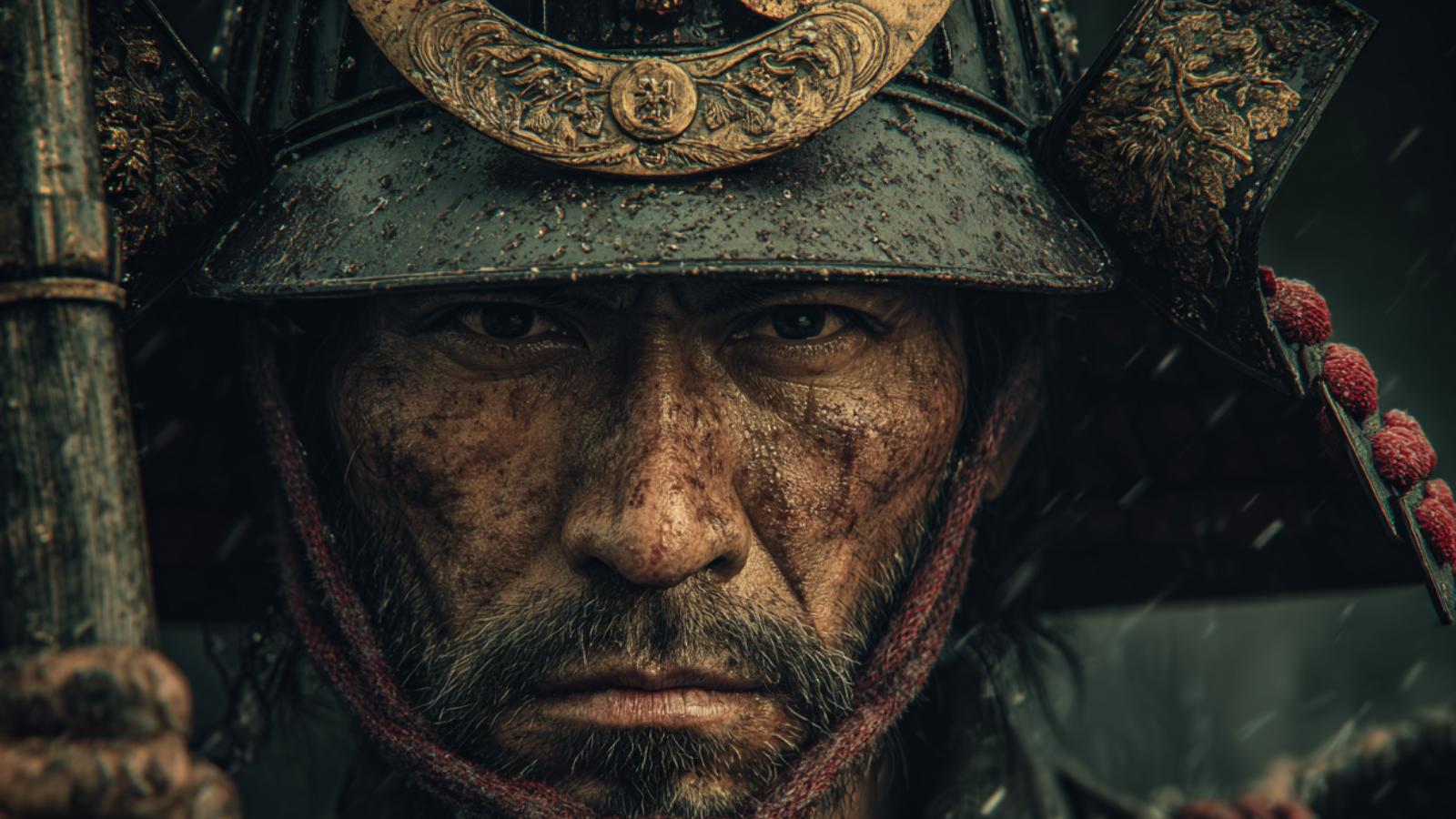
“剛毅の中に柔軟さを求めるべし。”
— One must seek flexibility within steadfastness.

| Lead 統率 |
Valor 武勇 |
Intel 知略 |
Pol 政治 |
|---|---|---|---|
| 75 | 70 | 80 | 65 |
| Name (JP) | 遊佐 続光 |
|---|---|
| Title | Chief Retainer |
| Clan / Force | Uesugi Clan |
| Era | 1547 – 1604 |
| Origin | Dewa |
| Key Battles | |
| Arts | Calligraphy |
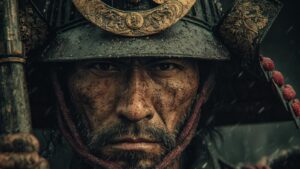
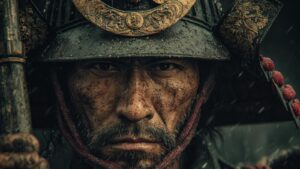
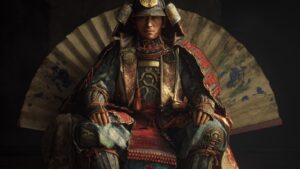
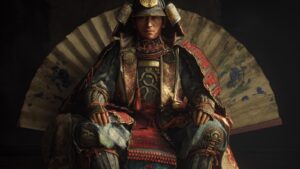
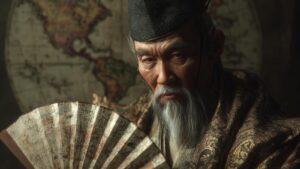
About Yusa Tsugumitsu
From a young age, he was trained in the martial arts and the code of bushido.
His education also included calligraphy, where he excelled, believing that both mind and should be trained to attain true mastery.
As a young warrior, Tsugumitsu quickly made a name for himself in local conflicts.
His talents caught the attention of prominent daimyo, leading him to serve under powerful patrons.
He was known for his ability to strategize and his unwavering resolve under pressure, qualities that proved essential during the tumultuous Sengoku period.
His ascension to the role of chief retainer brought with it both responsibilities and challenges, as he navigated the complex political landscape of feudal Japan.
Tsugumitsu participated in several significant throughout his career, often acting as a strategist and leading troops from the front lines.
His most notable engagements were during the campaigns of the late 16th century, where he demonstrated tactical prowess and bravery.
Though he faced many formidable opponents, his ability to inspire his men and his keen understanding of battlefield dynamics earned him respect among allies and enemies alike.
Yusa Tsugumitsu passed away in 1604, leaving behind a of loyalty, strategy, and honor.
He was remembered not only for his battlefield achievements but also for his contributions to the art of governance.
His teachings on flexibility in leadership continued to influence samurai for generations, as they understood the importance of adapting to ever-changing circumstances in life and war.

comment