
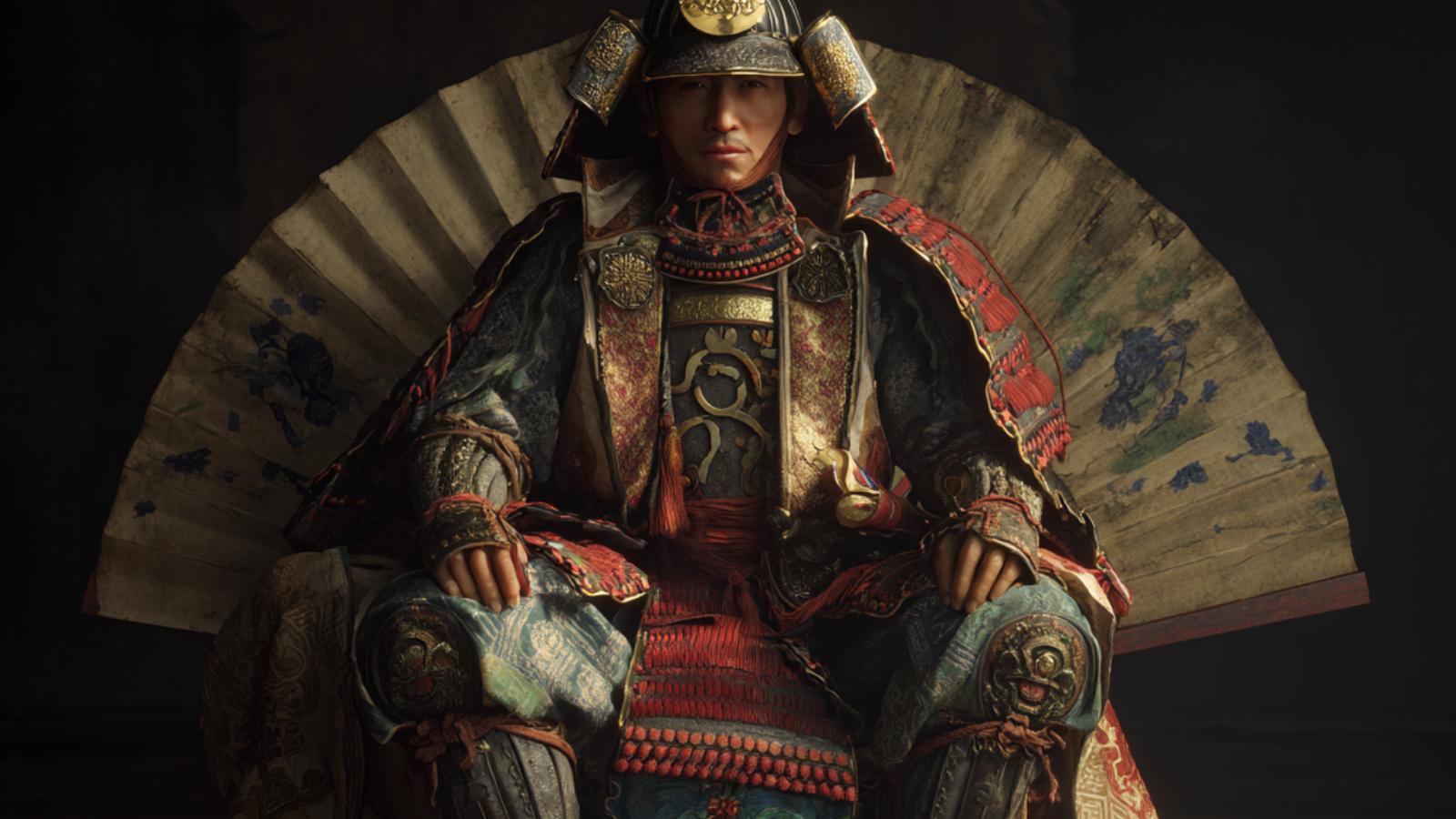
“我が道を行く、他人の道を行かず。”
— I walk my own path, not the path of others.

| Lead 統率 |
Valor 武勇 |
Intel 知略 |
Pol 政治 |
|---|---|---|---|
| 70 | 65 | 75 | 60 |
| Name (JP) | 由井 正雪 |
|---|---|
| Title | Daimyo |
| Clan / Force | Unknown |
| Era | 1605 – 1659 |
| Origin | Suzu |
| Key Battles | |
| Arts | Martial Arts |
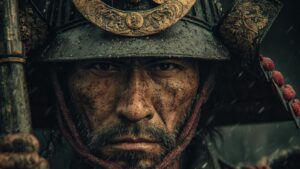
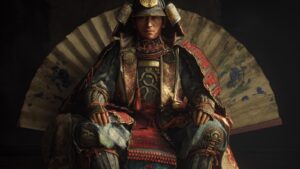
About Yui Shosetsu
Not much is documented about his early years, but he hailed from a line of shugo (military governors), giving him a foundation in the customs and responsibilities of samurai life.
Growing up during a time of relative peace under Tokugawa rule, his formative years were shaped by martial training and the study of strategy, preparing him for a life of service as a samurai.
As Shosetsu matured, he began to carve out a reputation for himself as a capable leader and strategist.
His early military engagements showcased his skills in commanding troops and executing well-thought-out maneuvers.
He earned respect from both his peers and superiors, eventually being granted the of daimyo.
His ascent illustrated the potential for samurai to gain status and land through service and loyalty to their lords, especially during the shifting dynamics of the Edo period.
Throughout his career, Yui Shosetsu was involved in several significant skirmishes.
While he may not have fought in large-scale akin to his contemporaries, his strategic choices often turned the tide in critical situations.
He was particularly noted for his adeptness at using the terrain to his advantage, turning what could have been disadvantageous positions into opportunities for victory.
His valor on the battlefield further solidified his reputation as a capable leader, even if his combat skills did not reach legendary status.
Yui Shosetsu’s lives on through his descendants and the stories of his independent spirit.
He exemplified the qualities of a capable samurai during the transitional era of the Edo period, highlighting how even those who do not attain legendary commemoration can leave lasting marks on their clans and the broader samurai society.
His commitment to his beliefs, as echoed in his famous quote, inspired many younger samurai and daimyo to seek their own paths of honor.
comment