
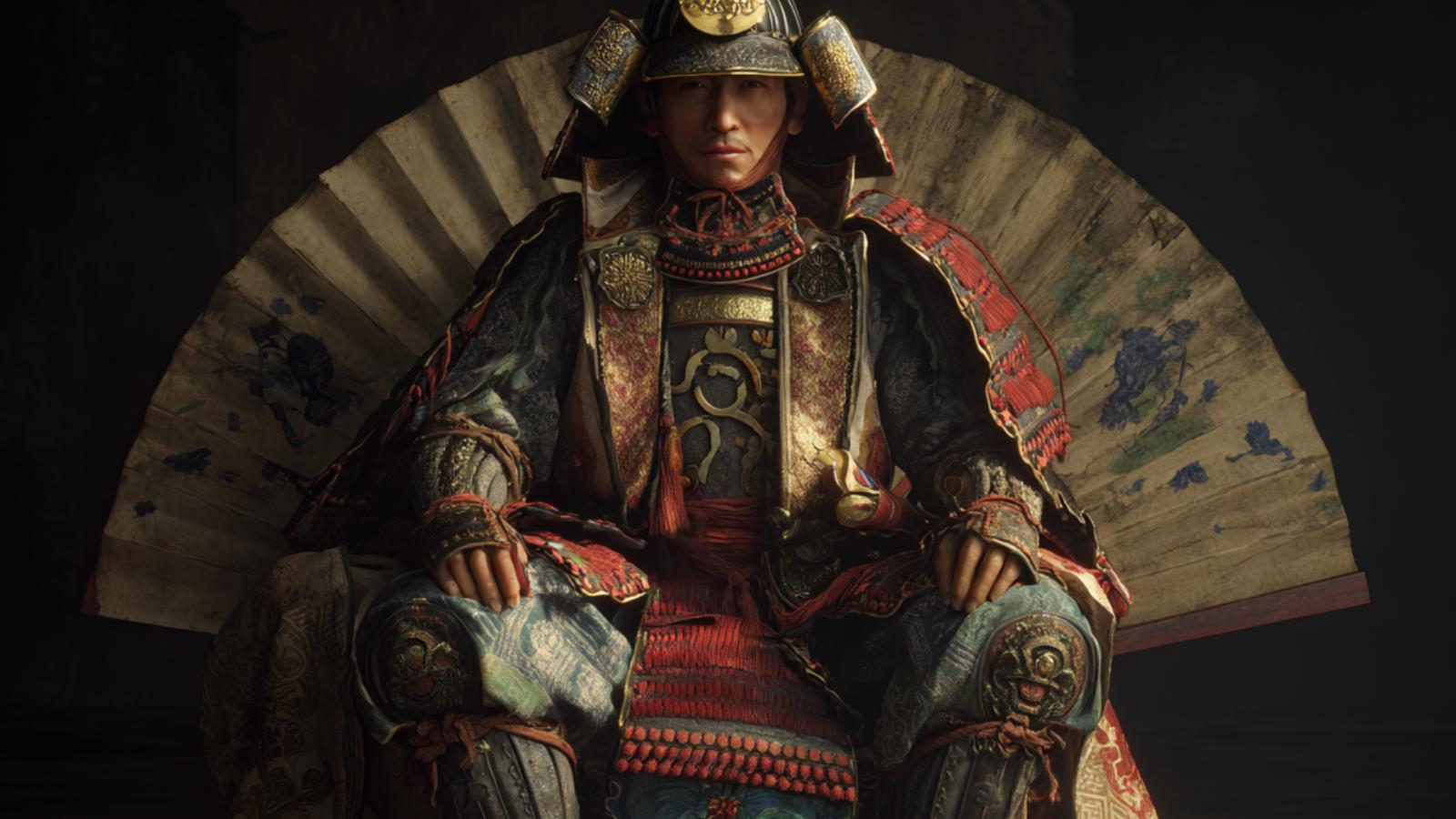
“武士としての道を貫くべし。”
— One must persevere on the path of the warrior.

| Lead 統率 |
Valor 武勇 |
Intel 知略 |
Pol 政治 |
|---|---|---|---|
| 75 | 70 | 78 | 60 |
| Name (JP) | 吉田 孝頼 |
|---|---|
| Title | Daimyo |
| Clan / Force | Uesugi Clan |
| Era | 1550 – 1618 |
| Origin | Settsu |
| Key Battles | |
| Arts | Noh Theatre |
About Yoshida Takayori
He came from a line of Shugo, who were military governors appointed by the central government.
Growing up in a martial family, Yoshida was exposed to the ways of the samurai from an early age.
He trained rigorously in various combat techniques and developed a deep understanding of strategy and governance.
His upbringing instilled in him the values of loyalty and honor, which would guide his actions as he matured into a leader.
As the political landscape shifted with the of prominent warlords, Yoshida Takayori began to make a name for himself as a capable general.
Aligning himself with powerful figures, he demonstrated both military aptitude and a knack for diplomacy.
His leadership skills were first showcased in regional conflicts where he effectively commanded his troops to secure victories against rival clans.
Eventually, his efforts led to him being granted the of Daimyo, giving him authority over a significant territory.
Throughout his career, Takayori participated in numerous that further solidified his reputation as a skilled warrior and commander.
He was known for his strategic prowess during the Battle of Sekigahara, where his ability to adapt to the ever-changing circumstances of the battlefield was instrumental.
Although not among the top generals of the era, his consistency in achieving favorable outcomes earned him respect among peers and followers alike.
However, his political maneuvers did not always go smoothly, leading to challenges in maintaining alliances in the complex web of feudal loyalties.
Yoshida Takayoris is one of a capable warrior who strived to uphold the ideals of the samurai.
After his death in 1618, he was remembered not just for his military exploits but also for his contributions to the arts, particularly Noh Theatre, which became a vital part of the samurai cultural heritage.
Today, Takayoris life serves as an example of the balance between martial skill and cultural refinement that defined the samurai class during one of Japans most tumultuous periods.









comment