
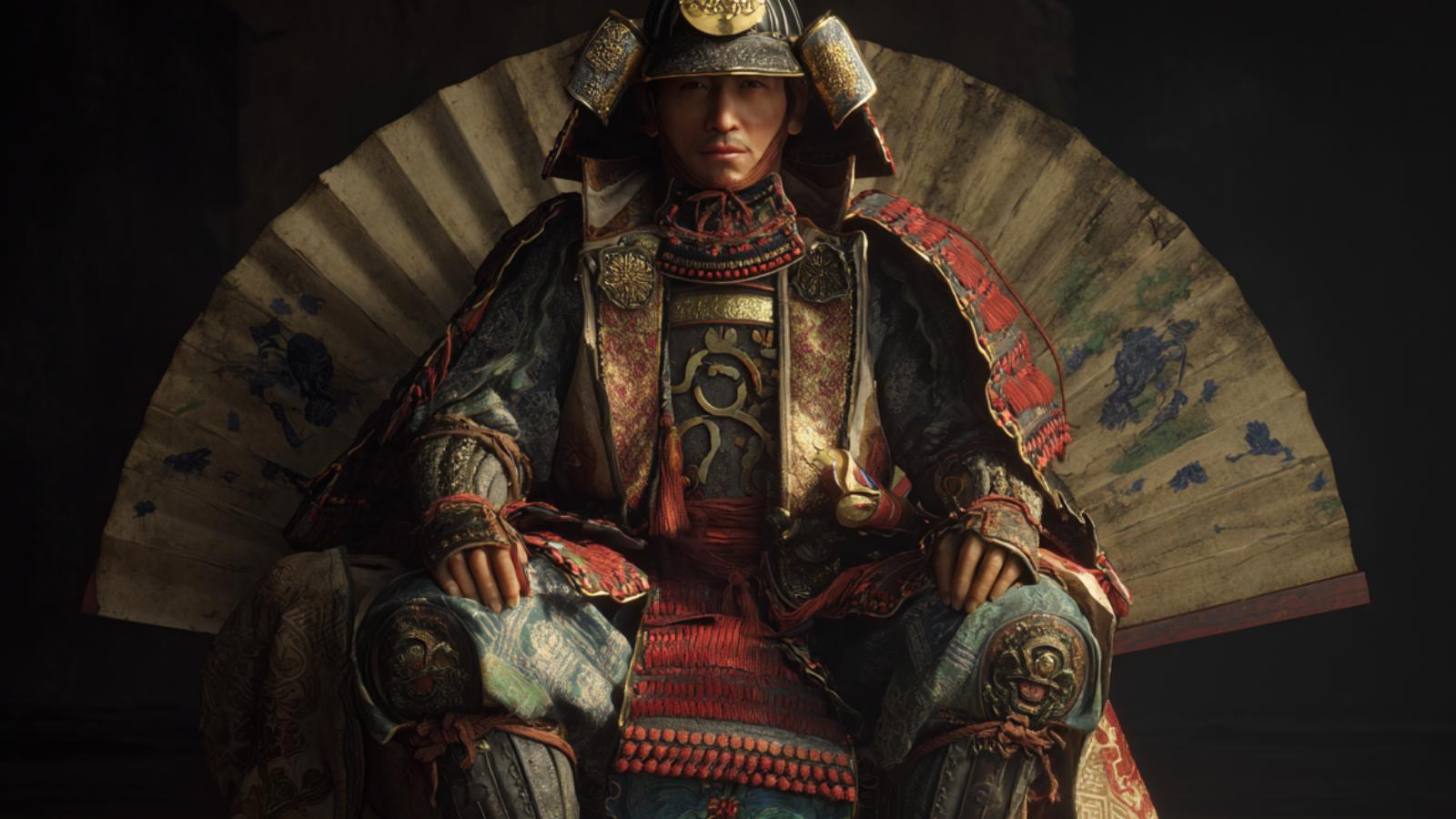
“商いは人をつなぐものにあらず。”
— Commerce is what connects people.

| Lead 統率 |
Valor 武勇 |
Intel 知略 |
Pol 政治 |
|---|---|---|---|
| 75 | 60 | 80 | 85 |
| Name (JP) | 淀屋 常安 |
|---|---|
| Title | Daimyo |
| Clan / Force | Toyotomi Army |
| Era | 1562 – 1653 |
| Origin | Kinai |
| Key Battles | |
| Arts | Commerce |
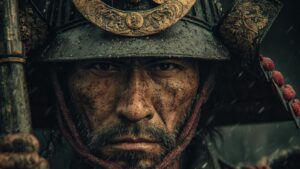
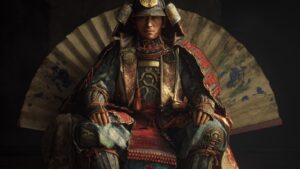
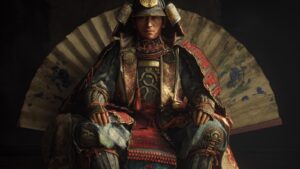
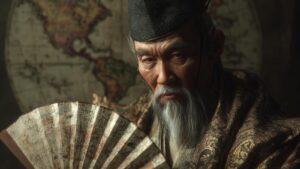
About Yodoya Joan
His background as a merchant played a crucial role in shaping his skills in governance and diplomacy.
In a time when the nation was in turmoil, Joans understanding of trade and alliances enabled him to navigate the shifting allegiances of the Sengoku period effectively.
Joans to power was characterized by a unique blend of economic acumen and strategic foresight.
As tensions escalated among the regional daimyo, he leveraged his influence and connections as a merchant to gain favor and build alliances.
By heeding the political currents around him, he successfully transitioned into a role of leadership and earned the of Daimyo.
While Joan was not primarily recognized for his martial prowess, his intelligence and strategic thinking allowed him to outmaneuver opponents tactically rather than through direct combat.
He played significant roles in several minor skirmishes, where he often opted for cunning strategies that resulted in favorable outcomes without heavy bloodshed.
His emphasis on diplomacy often helped him avoid conflicts or end them swiftly, solidifying his position among the local lords.
Yodoya Joan is remembered as a shrewd leader who exemplified the transition from commerce to governance during a pivotal era in Japanese history.
His ability to connect people through trade significantly contributed to the economic stability of his domain, earning him respect from both commoners and nobles alike.
His also highlights the important role that non-samurai figures played in shaping Japans tumultuous history, reminding us that leadership can emerge from various walks of life.
comment