
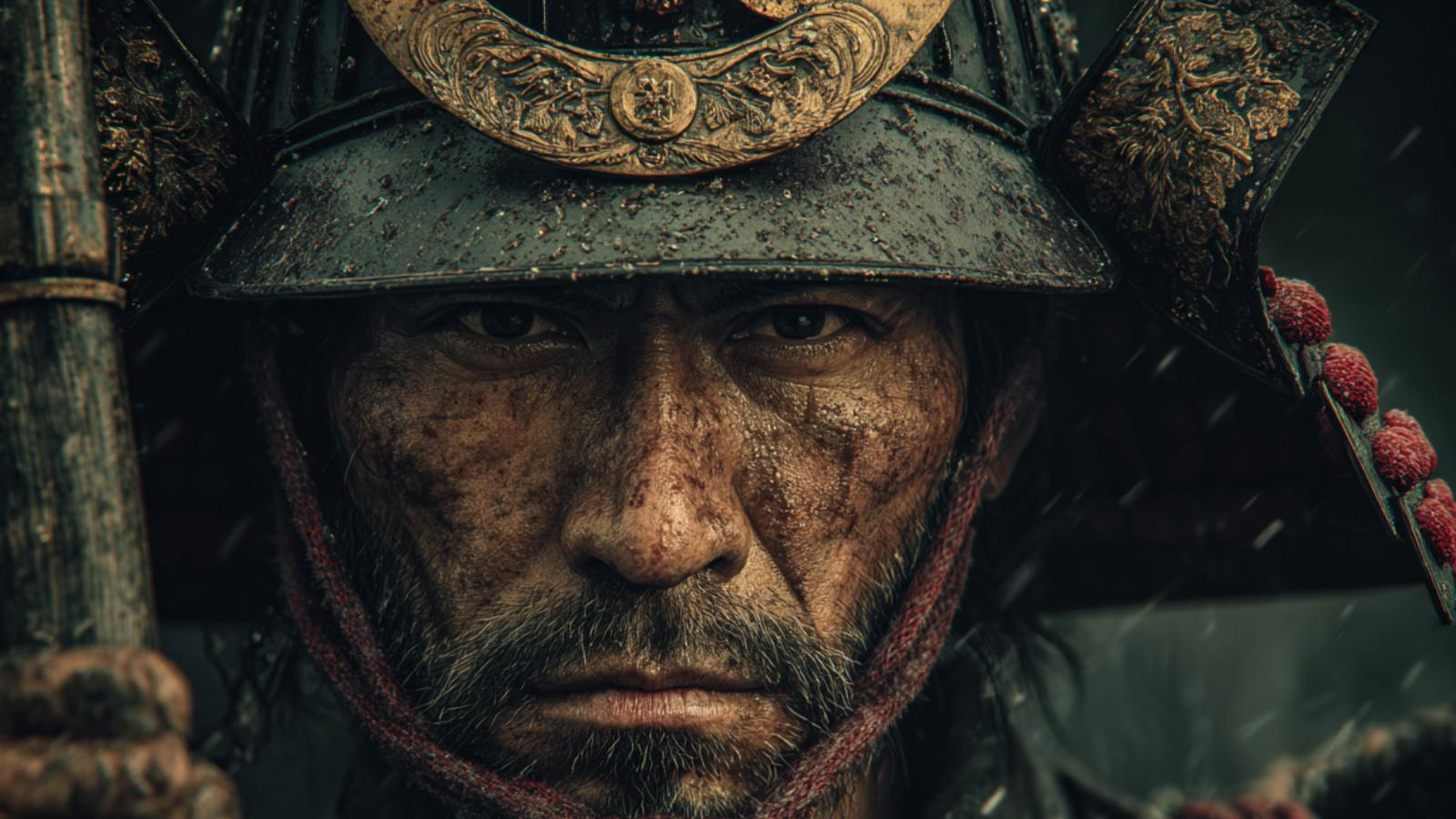
“義を持って行動する、それが武士の道。”
— To act with righteousness is the way of the warrior.

| Lead 統率 |
Valor 武勇 |
Intel 知略 |
Pol 政治 |
|---|---|---|---|
| 72 | 68 | 65 | 60 |
| Name (JP) | 尤川 惣兵衛 |
|---|---|
| Title | Chief Retainer |
| Clan / Force | Unknown |
| Era | 1540 – 1607 |
| Origin | Mutsu |
| Key Battles | |
| Arts | Calligraphy |
About Yikawa Sobe
From a young age, he took an interest in the martial arts and the virtues of the samurai code, which laid the foundation for his future career as a warrior.
As conflicts erupted during the Sengoku period, Yikawa quickly made a name for himself as a capable commander.
He became a chief retainer for one of the prominent daimyos in Mutsu and skillfully navigated the challenges of feudal warfare.
His strong sense of duty and leadership skills earned him respect from both his peers and adversaries.
Yikawa participated in various that showcased his valor and tactical intelligence.
Although not as legendary as other generals of the era, he proved himself in skirmishes along the eastern front, earning commendations for his strategic insight and his ability to inspire his troops.
His reputation grew as he led successful campaigns that contributed to his lords territorial expansion.
Despite not being one of the most famous daimyos, Yikawa Sobe is remembered for his commitment to the samurai code and the welfare of his province.
His influence on the next generation of samurai highlighted the importance of honor and moral conduct in times of war.
Yikawa’s teachings and principles would be passed down, contributing to the cultural heritage of the Mutsu province and the samurai class.









comment