
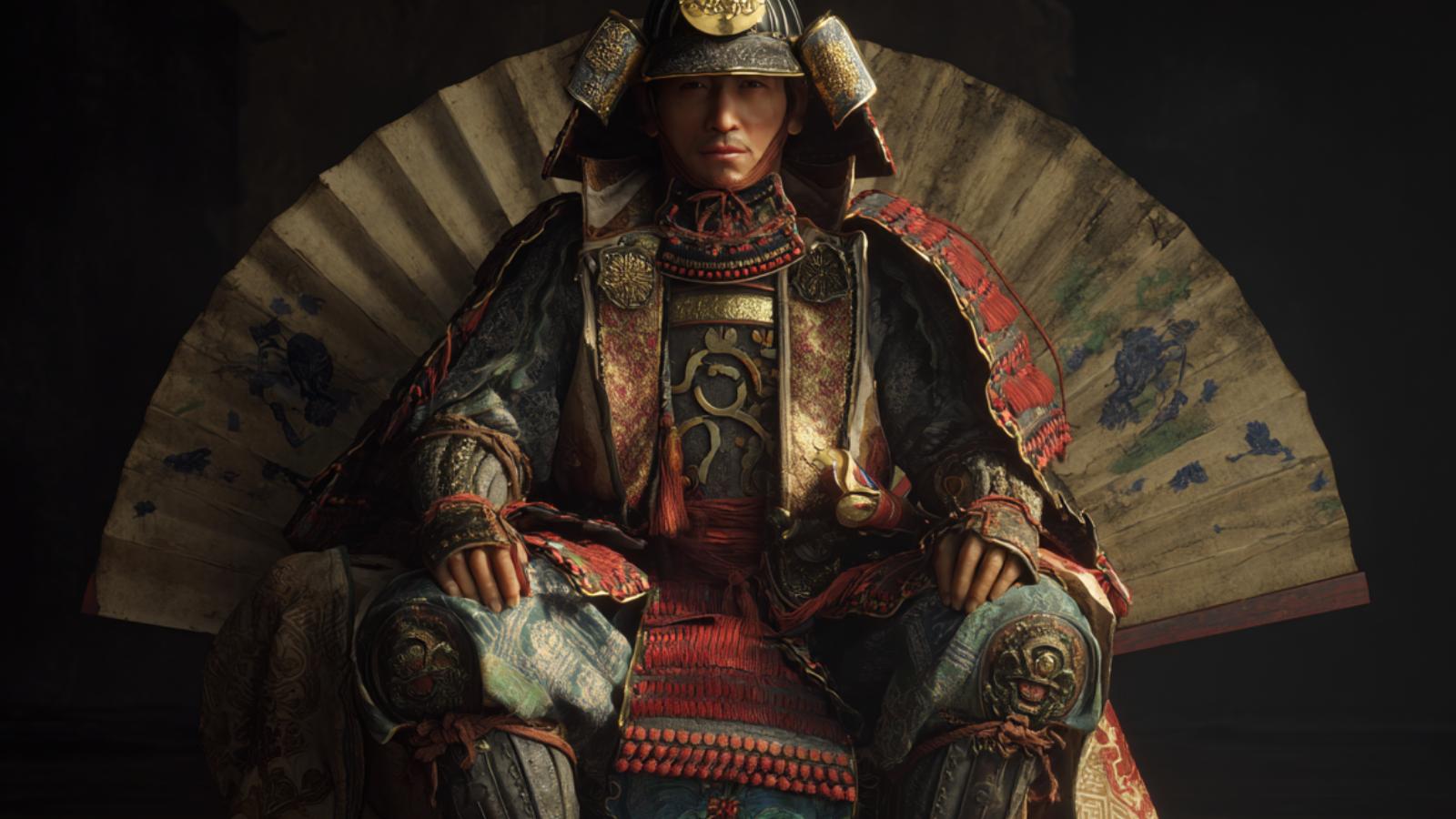
“勝者の栄光は、戦の中に育む。”
— The glory of the victor is nurtured within the battle.

| Lead 統率 |
Valor 武勇 |
Intel 知略 |
Pol 政治 |
|---|---|---|---|
| 75 | 70 | 80 | 65 |
| Name (JP) | 矢沢 頼綱 |
|---|---|
| Title | Daimyo |
| Clan / Force | Kamakura Shogunate |
| Era | 1610 – 1647 |
| Origin | Kōzuke |
| Key Battles | |
| Arts | Noh Theatre |
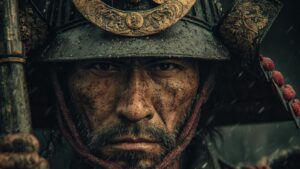
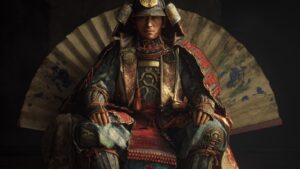
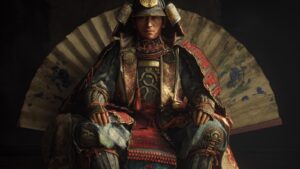
About Yazawa Yoritsuna
Coming from the Shugo lineage, he was raised in an environment that valued honor, loyalty, and the martial arts.
His early education in both combat and strategy laid the groundwork for his future endeavors in the tumultuous world of samurai warfare.
As the Sengoku period drew to a close, Yoritsuna began to emerge as a capable leader.
His agility in navigating the shifting allegiances of feudal Japan earned him respect among nobles.
By the time the Tokugawa Shogunate was established, he had positioned himself as a trusted commander, known for his intelligence and strategic prowess rather than sheer brute force.
Throughout his career, Yoritsuna participated in several key, displaying remarkable skill in both defense and offense.
His ability to read the battlefield and adapt his strategies accordingly allowed him to achieve several victories against rival clans.
While participating in the unification efforts, he remained loyal to the Tokugawa, ensuring his standing as a reputable daimyo in the new regime.
Yazawa Yoritsunas is reflected in his contributions to preserving peace in Kōzuke and supporting cultural practices like Noh Theatre.
His balanced approach to warfare and governance left a lasting impact on subsequent generations of samurai.
Today, he is remembered not only for his martial accomplishments but also for his commitment to the arts and governance.
comment