
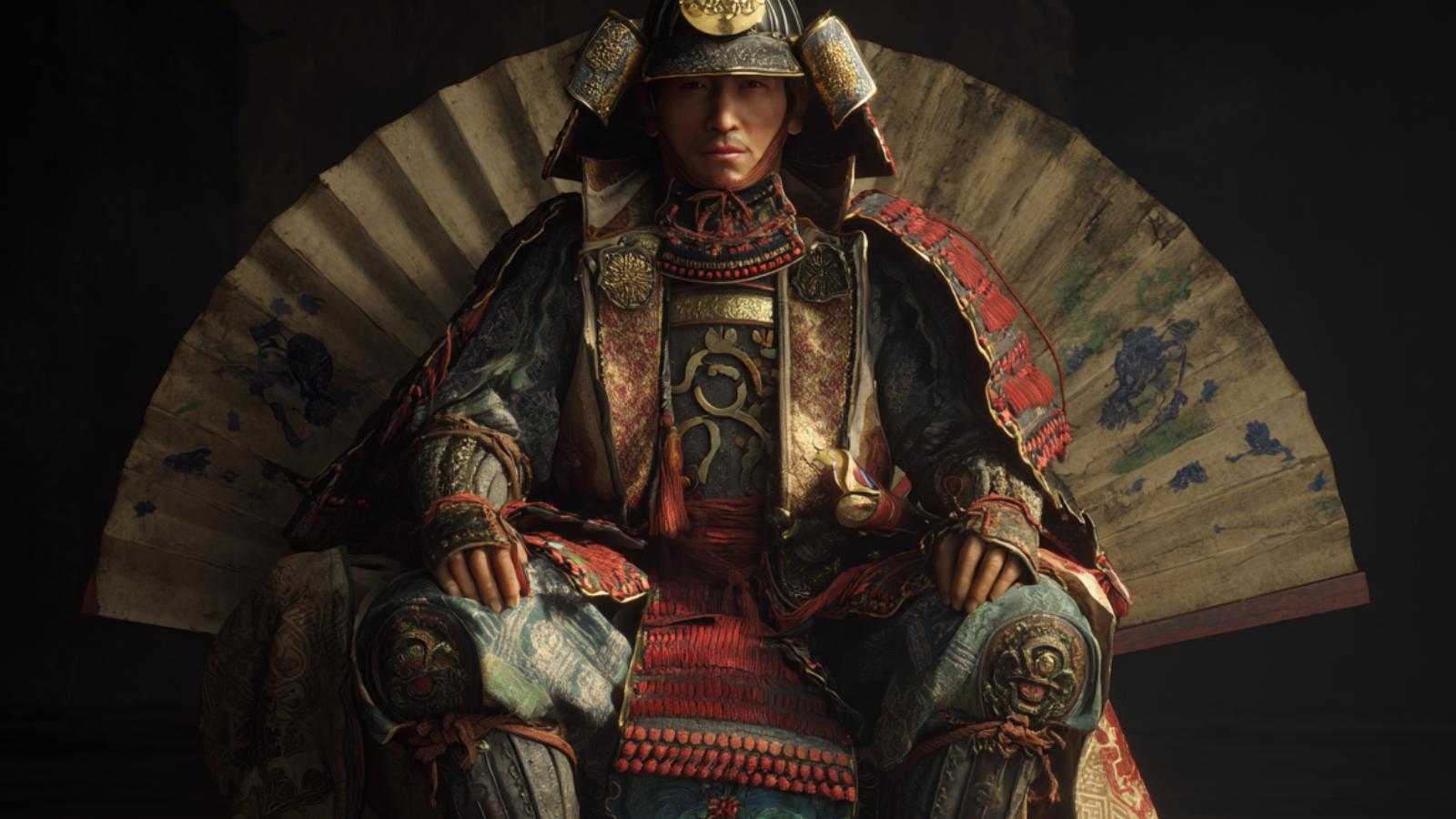
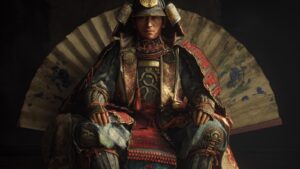
“武士の道は、忠義から始まる。”
— The way of the samurai begins with loyalty.

| Lead 統率 |
Valor 武勇 |
Intel 知略 |
Pol 政治 |
|---|---|---|---|
| 75 | 70 | 80 | 65 |
| Name (JP) | 屋代 景頼 |
|---|---|
| Title | Daimyo |
| Clan / Force | Uesugi Clan |
| Era | 1560 – 1621 |
| Origin | Shinano |
| Key Battles | |
| Arts | Noh Theatre |
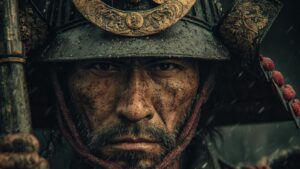
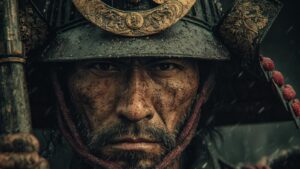
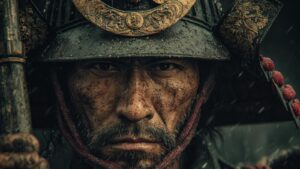
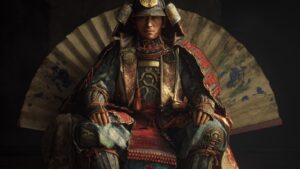
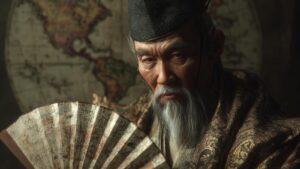
About Yashiro Kageyori
Coming from a samurai lineage, he was trained in the arts of war, governance, and the ways of the samurai from a young age.
His family had served as vassals to powerful warlords, and Kageyori imbibed the values of loyalty and honor, fundamentals that would define his career.
As Kageyori matured, he gradually gained the attention of local daimyo due to his skills in both combat and strategy.
His most significant opportunities arose during the warring states as he allied himself with powerful commanders, showcasing his leadership during critical .
Being a competent tactician, he helped implement strategies that led to decisive victories for his lord, strengthening his reputation and eventually earning him the of daimyo.
Kageyori played a crucial role in several pivotal during the late 16th century.
His adeptness in feudal warfare and his insightful approach to strategy often turned the tides in favor of his forces.
Although not as celebrated as some of his contemporaries, his contributions to his lords campaigns were instrumental in consolidating power in Shinano, making a name for himself as a capable general who commanded respect among his peers.
Upon his death in 1621, Yashiro Kageyori left behind a of loyalty and strategic brilliance.
His descendants would continue to serve in significant roles within the samurai class, carrying forward the values he exemplified.
Although he may not be as famous as other daimyos of the period, his impact on those around him and his contributions to the political landscape of the time are remembered by historians, establishing him as a key figure in the complexities of the Sengoku era.
comment