
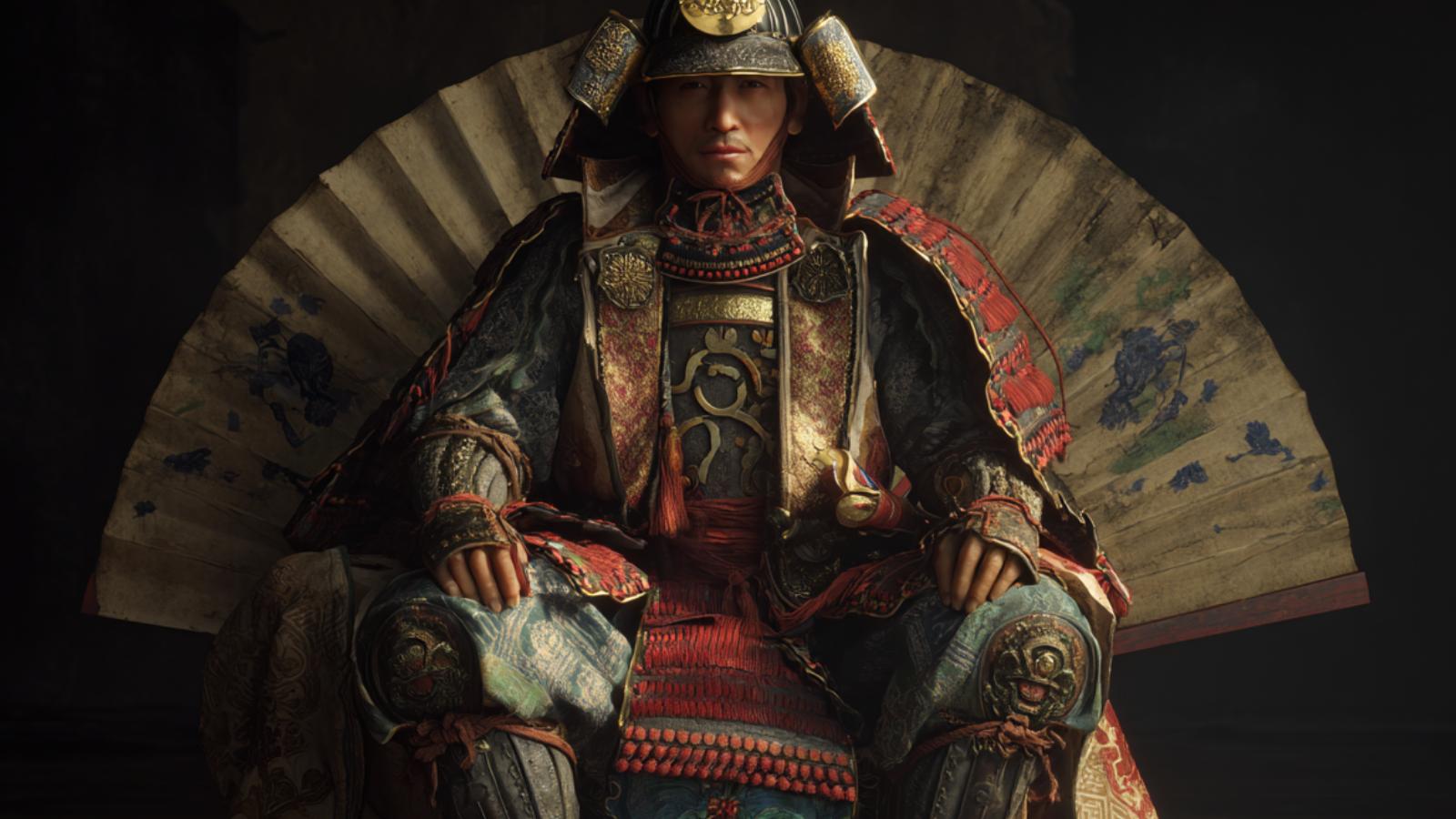
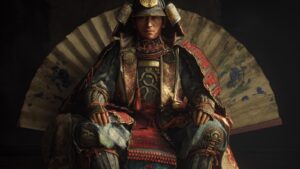
“元気でやれ、戦は自分の道を進むためだ。”
— Stay strong, for war is to pave my own path.

| Lead 統率 |
Valor 武勇 |
Intel 知略 |
Pol 政治 |
|---|---|---|---|
| 82 | 78 | 80 | 75 |
| Name (JP) | 山内 一豊 |
|---|---|
| Title | Daimyo |
| Clan / Force | Chosokabe Clan |
| Era | 1549 – 1603 |
| Origin | Tosa |
| Key Battles | |
| Arts | Noh Theatre |
About Yamauchi Kazutoyo
Originally of a minor samurai family, he grew up during a tumultuous period of the Sengoku era, where local lords battled for supremacy.
His is characterized by his dedication to martial arts and strategy, setting the foundation for his future as a capable leader.
Kazutoyo began his in the ranks under the Uesugi clan, where he showcased his battlefield prowess.
His intelligence and leadership qualities caught the attention of notable daimyo, leading him to serve under the famed warlord Toyotomi Hideyoshi.
His loyalty and effectiveness in battle earned him a reputation, as he commanded troops in several crucial engagements during the late 16th century.
By 1585, he was granted the of daimyo, taking control of his own fief in Shikoku.
Kazutoyo played key roles in many significant, showcasing his tactical skills during events such as the Siege of Odawara and campaigns against the Hojo.
His ability to maneuver troops effectively in battle was respected among peers and led to personal victories that solidified his status.
He was also known for his adaptability, making strategic decisions that turned the tide in various situations.
After the unification of Japan, Yamauchi Kazutoyo continued to govern effectively, promoting the arts and culture, including Noh Theatre, in his domain.
His contributions to both military and cultural development established him as a notable figure in Japanese history.
Kazutoyo left behind a of loyalty and success, paving the way for his descendants to thrive as significant players in the shifting socio-political landscape of early modern Japan.
His death in 1603 marked the end of an era for his clan, yet his influence endured in the ages to come.




comment