
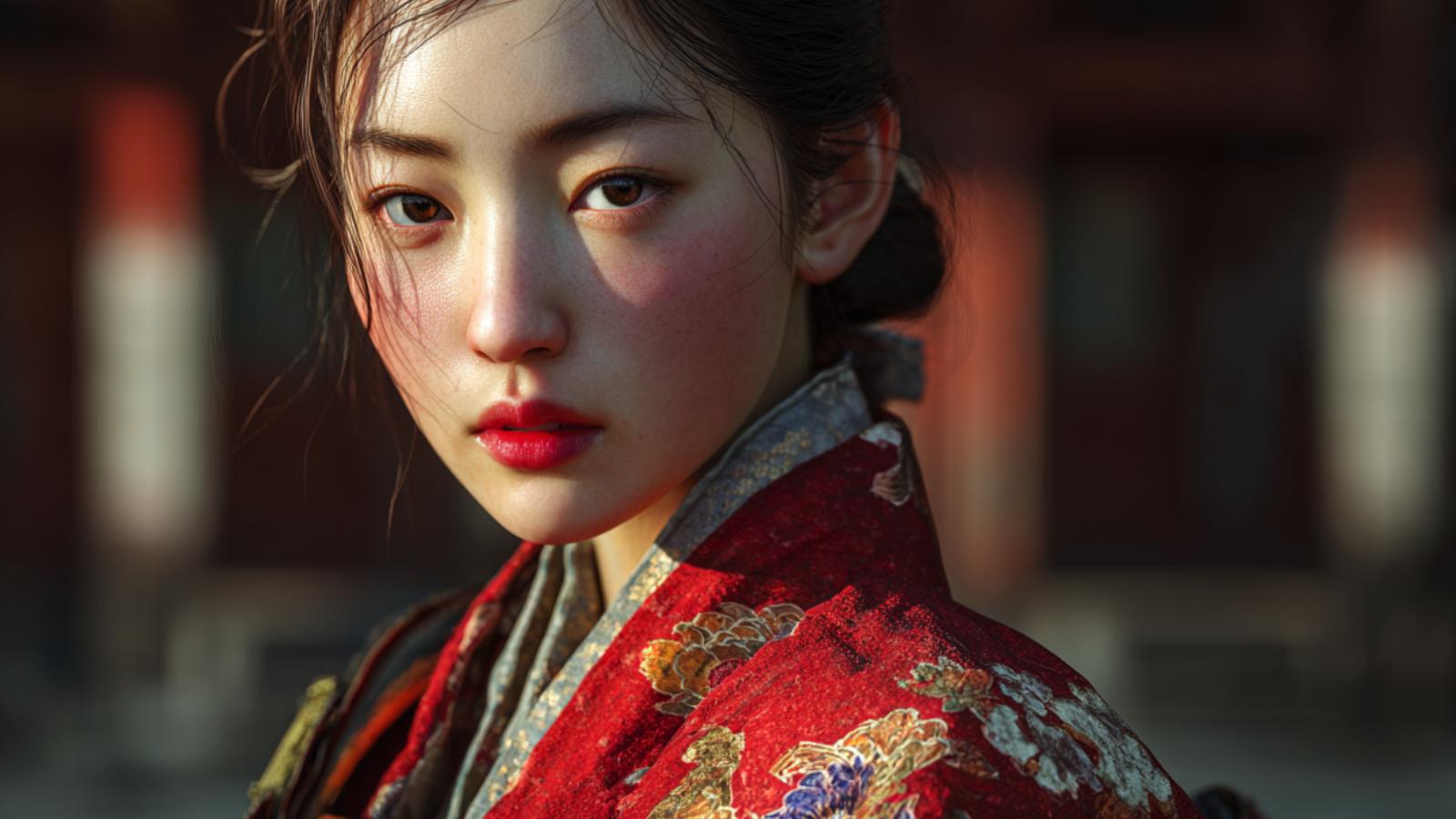
“強さは剣にあらず、智恵にあり。”
— Strength lies not in the sword, but in wisdom.

| Lead 統率 |
Valor 武勇 |
Intel 知略 |
Pol 政治 |
|---|---|---|---|
| 70 | 65 | 75 | 80 |
| Name (JP) | 山内 千代 |
|---|---|
| Title | Daimyo |
| Clan / Force | Unknown |
| Era | 1550 – 1624 |
| Origin | Shimane |
| Key Battles | |
| Arts | Calligraphy |
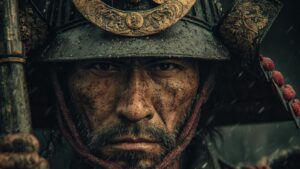
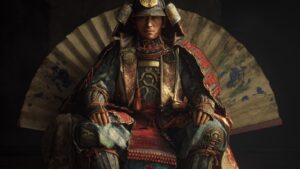
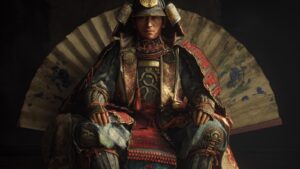
About Yamanouchi Chiyo
From an early age, she was exposed to the intricacies of bushido, the way of the warrior, and was trained in the various arts of combat and strategy.
Her upbringing in a noble family allowed her to learn not just swordsmanship but also the nuances of leadership and governance.
As the Sengoku period progressed, Chiyo emerged as a notable leader.
Following the death of her father, she took charge of the family’s domain, showcasing her capabilities in diplomacy and military strategy.
Unlike many female figures of her time, she wielded significant influence, often participating in council meetings and strategic decisions, which was quite rare for women in feudal Japan.
Chiyos most notable contributions came during the conflicts leading up to the unification of Japan under Tokugawa Ieyasu.
She was instrumental in several, where her strategic insights often led to crucial victories for her clan.
Despite her personal preference for diplomacy, her skills in combat were respected, and she personally led troops into battle when needed, earning her the respect of her warriors.
Yamanouchi Chiyos endures as one of the few prominent female Daimyos of the Sengoku period.
Her dedication to both her people and the art of governance has made her a subject of interest for historians and a symbol of the strong role women played in feudal Japan.
Chiyo passed away in 1624, leaving behind a rich history of valor and intelligence that continues to inspire to this day.
comment