
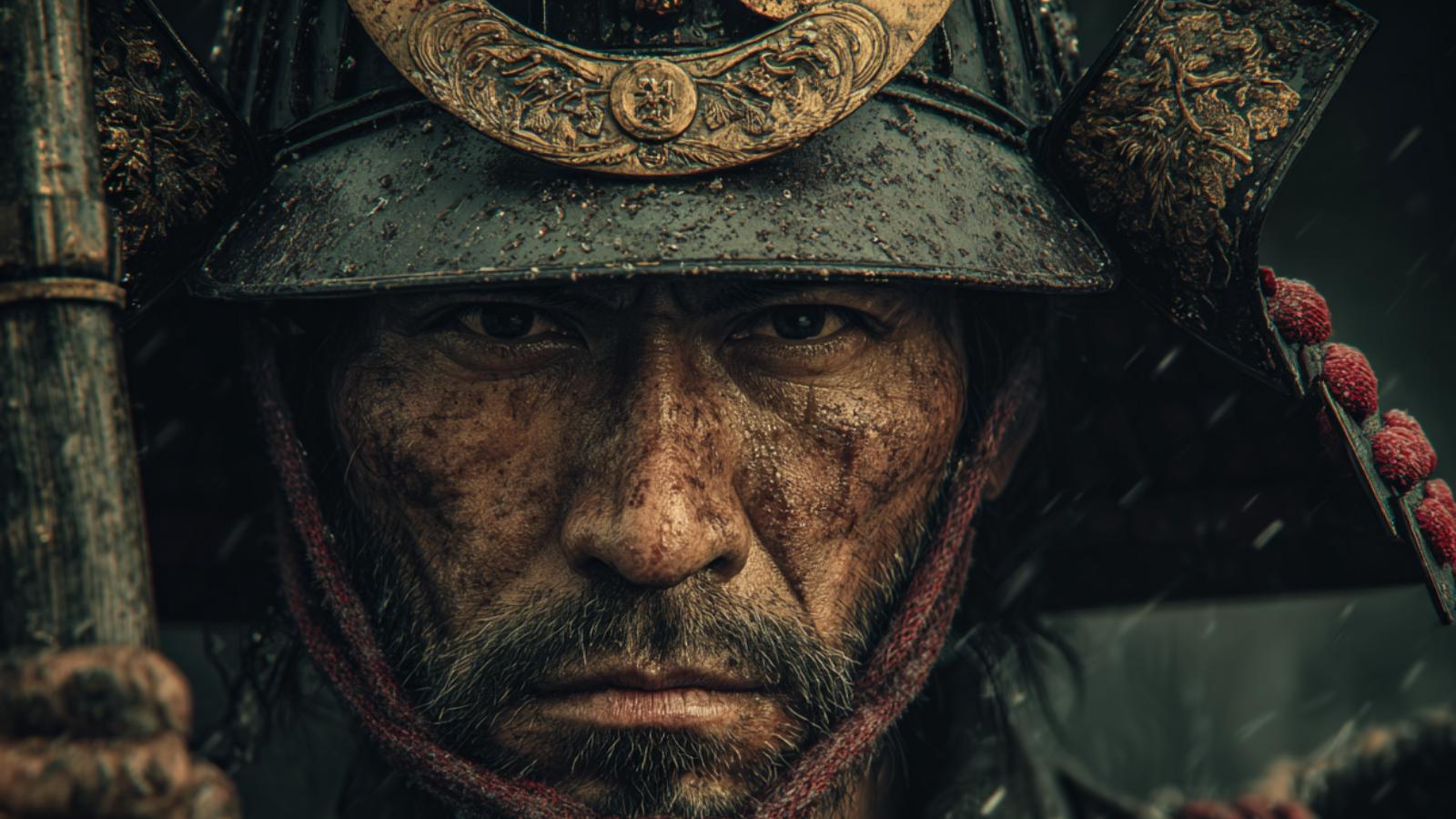
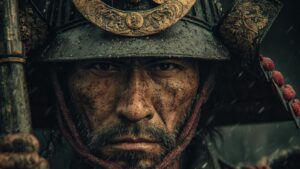
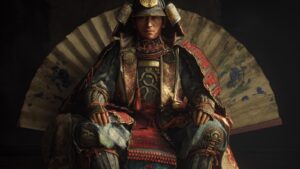
“全力を尽くすのみ。”
— I will give my all.

| Lead 統率 |
Valor 武勇 |
Intel 知略 |
Pol 政治 |
|---|---|---|---|
| 70 | 75 | 65 | 55 |
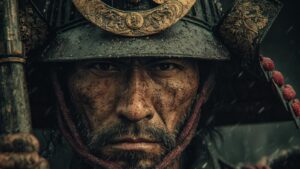
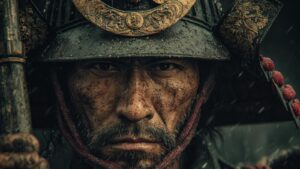
| Name (JP) | 山中 大膳 |
|---|---|
| Title | Ronin |
| Clan / Force | Unknown |
| Era | 1550 – 1614 |
| Origin | Shizuoka |
| Key Battles | |
| Arts | Noh Theater |
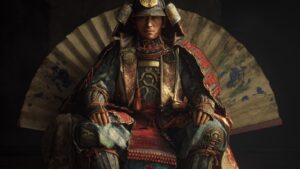
About Yamanaka Daizen
He grew up during a tumultuous period in Japanese history, marked by civil war and the of powerful feudal lords.
His family was part of the samurai class, which afforded him a rigorous martial training and an introduction to the code of Bushido, the way of the warrior.
From a young age, Daizen was captivated by the tales of legendary samurai and sought to carve out his own name in history.
As Daizen matured, he began serving as a retainer to a local daimyo.
His leadership skills and combat prowess quickly became apparent as he participated in several provincial skirmishes.
Though not a major figure during the height of the Sengoku period, he earned a reputation for his unwavering loyalty and bravery on the battlefield, which eventually led to him being elevated to the status of ronin.
This transition was not uncommon at the time, as many samurai found themselves without masters due to the chaotic nature of their times.
Yamanaka Daizen fought in numerous throughout his career.
He was known for his exceptional valor, often leading charges against enemy forces despite being outnumbered.
One of his notable engagements was the Battle of Numazu in 1582, where he displayed remarkable fighting abilities and proved himself against seasoned opponents.
His strategies, although not always flawless, reflected a keen understanding of field tactics, which earned him respect amongst his peers and superiors alike.
Though he may not have achieved the level of fame enjoyed by some of his contemporaries, Yamanaka Daizens commitment to the samurai code and his contributions in various mark him as a worthy figure in the annals of Japanese history.
He ultimately passed away in 1614, having left behind a of bravery and dedication to his craft, and his life continues to inspire newer generations of samurai enthusiasts and historians alike.

comment