
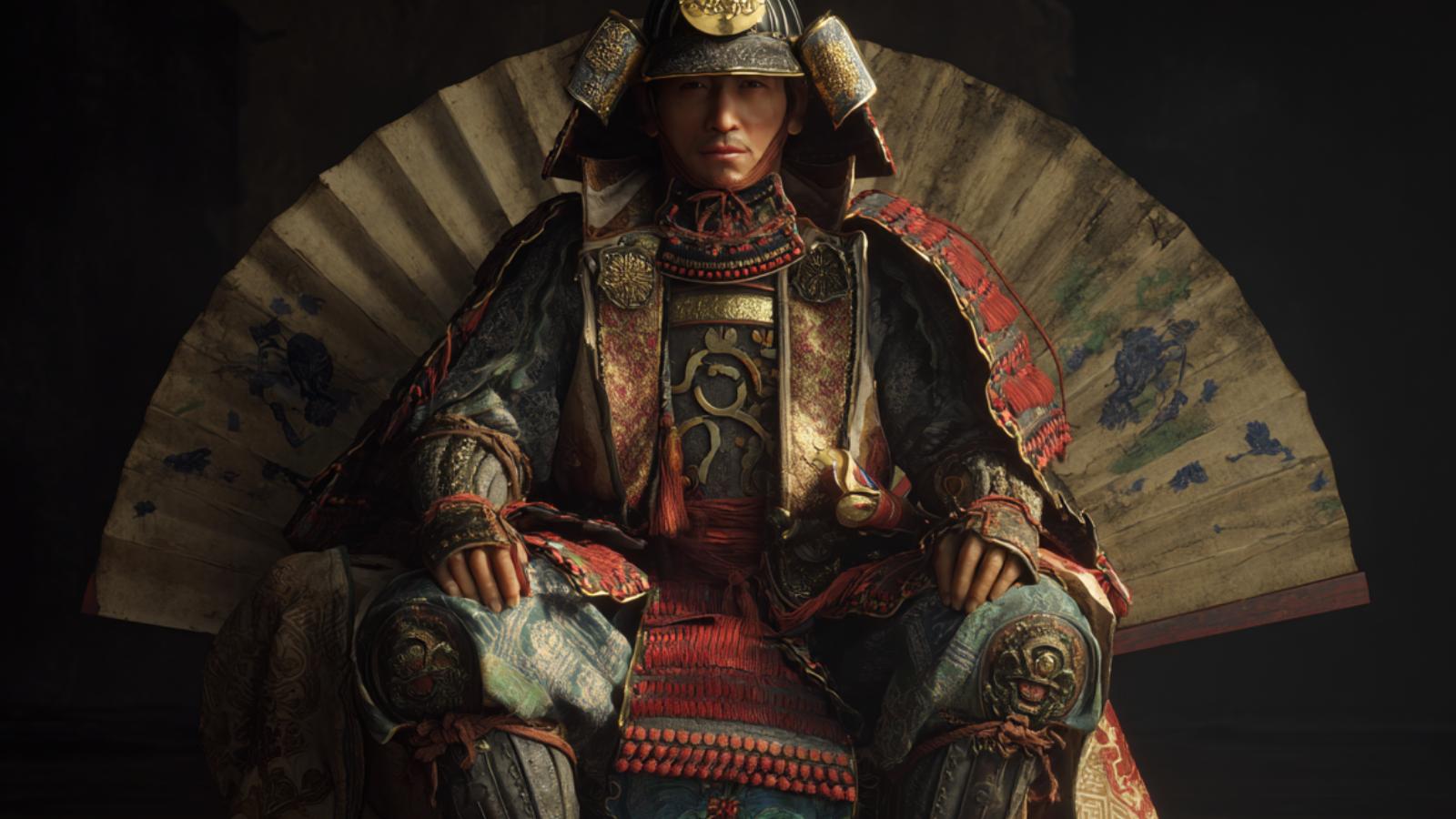
“戦は時の流れのように、柔軟であるべきだ。”
— War should be as flexible as the flow of time.

| Lead 統率 |
Valor 武勇 |
Intel 知略 |
Pol 政治 |
|---|---|---|---|
| 77 | 65 | 82 | 75 |
| Name (JP) | 山名 宗全 |
|---|---|
| Title | Daimyo |
| Clan / Force | Yamana Clan |
| Era | 1445 – 1510 |
| Origin | Izumo |
| Key Battles | |
| Arts | Noh Theatre |
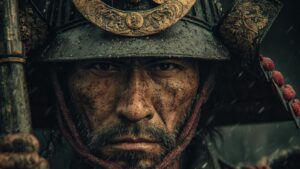
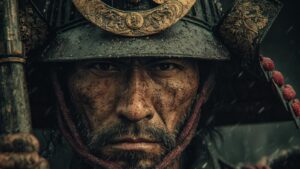
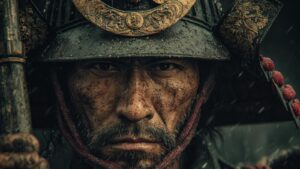
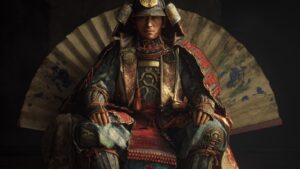
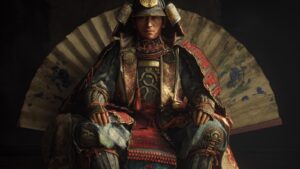
About Yamana Sozen
His upbringing was steeped in the samurai traditions and culture, which would later define his leadership style.
From a young age, Sozen showed great promise and was well-educated in strategy, martial arts, and the arts, laying the foundation for his future as a daimyo.
Sozen ascended to prominence during the tumultuous Sengoku period, where he began consolidating power amidst the chaos of warring states.
He became known for his ability to forge alliances and navigate the complex political landscape.
His intelligence and valor contributed to several successful campaigns, which expanded his territory significantly.
His fame as a capable leader grew, and he garnered respect from both his retainers and his enemies.
Sozen participated in numerous throughout his reign, showcasing a strategic mind that prioritized adaptability and clever tactics over brute force.
Although he was not as renowned for personal combat, his leadership on the battlefield was critical in securing victories for his clan.
His most notable included the defense against the Takeda clan and his role in the political maneuvering during alliances with other powerful daimyos of the time.
Yamana Sozen left a lasting as a cultured leader who valued both military prowess and the arts.
He was a patron of Noh theatre and other cultural practices that flourished during his rule.
His strategic insights and political acumen laid the groundwork for future generations in his region.
Despite not being as famous as some contemporaries, his influence on both the battlefield and in cultural matters remains notable in Japanese history.
comment