
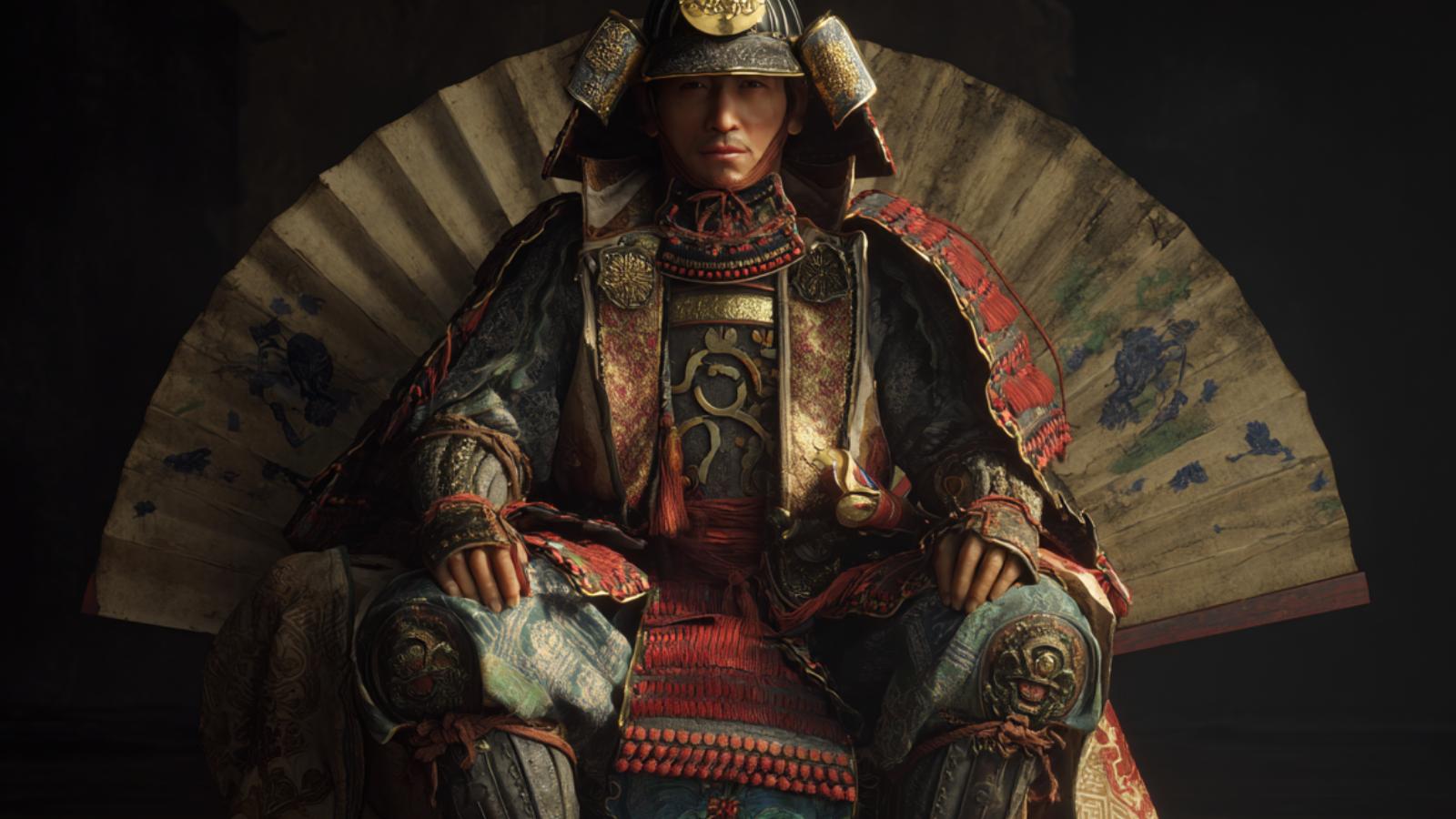
“勝利には犠牲が伴う。”
— Victory comes with sacrifice.

| Lead 統率 |
Valor 武勇 |
Intel 知略 |
Pol 政治 |
|---|---|---|---|
| 75 | 70 | 80 | 65 |
| Name (JP) | 山田 長政 |
|---|---|
| Title | Daimyo |
| Clan / Force | Ayutthaya Kingdom |
| Era | 1560 – 1633 |
| Origin | Mutsu Province |
| Key Battles | |
| Arts | Noh Theatre |
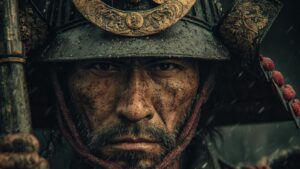
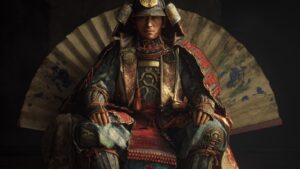
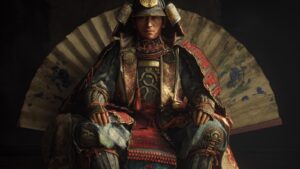
About Yamada Nagamasa
He was raised in tumultuous times, witnessing the fragmentation of Japan into warring factions.
From a young age, he trained in the martial arts and swordsmanship, developing skills that later distinguished him in battle.
In his early adulthood, Nagamasa started his military career under the banner of powerful daimyos, gradually earning recognition for his strategic acumen.
He participated in several significant campaigns, where his ability to adapt and outmaneuver enemies became his hallmark.
It was during this period that he garnered loyal retainers and expanded his influence in Mutsu.
Nagamasas military exploits played a critical role in the unification of Japan.
He fought valiantly in against rival clans, consistently displaying valor and tactical intelligence.
His most notable engagement was at the Siege of Osaka, where his leadership helped secure a decisive victory for his lord, cementing his reputation as a capable general.
However, he often faced the reality of casualties in battle, which weighed on his conscience.
Yamada Nagamasas is one of a strong, strategic leader who contributed to Japans unification efforts.
Though he may not be as renowned as the likes of Tokugawa Ieyasu or Oda Nobunaga, his impact on the regional struggles and subsequent peace in the early Edo period should not be underestimated.
He died in 1633, leaving behind a of courageous leadership and unwavering dedication to his lord and country.
comment