
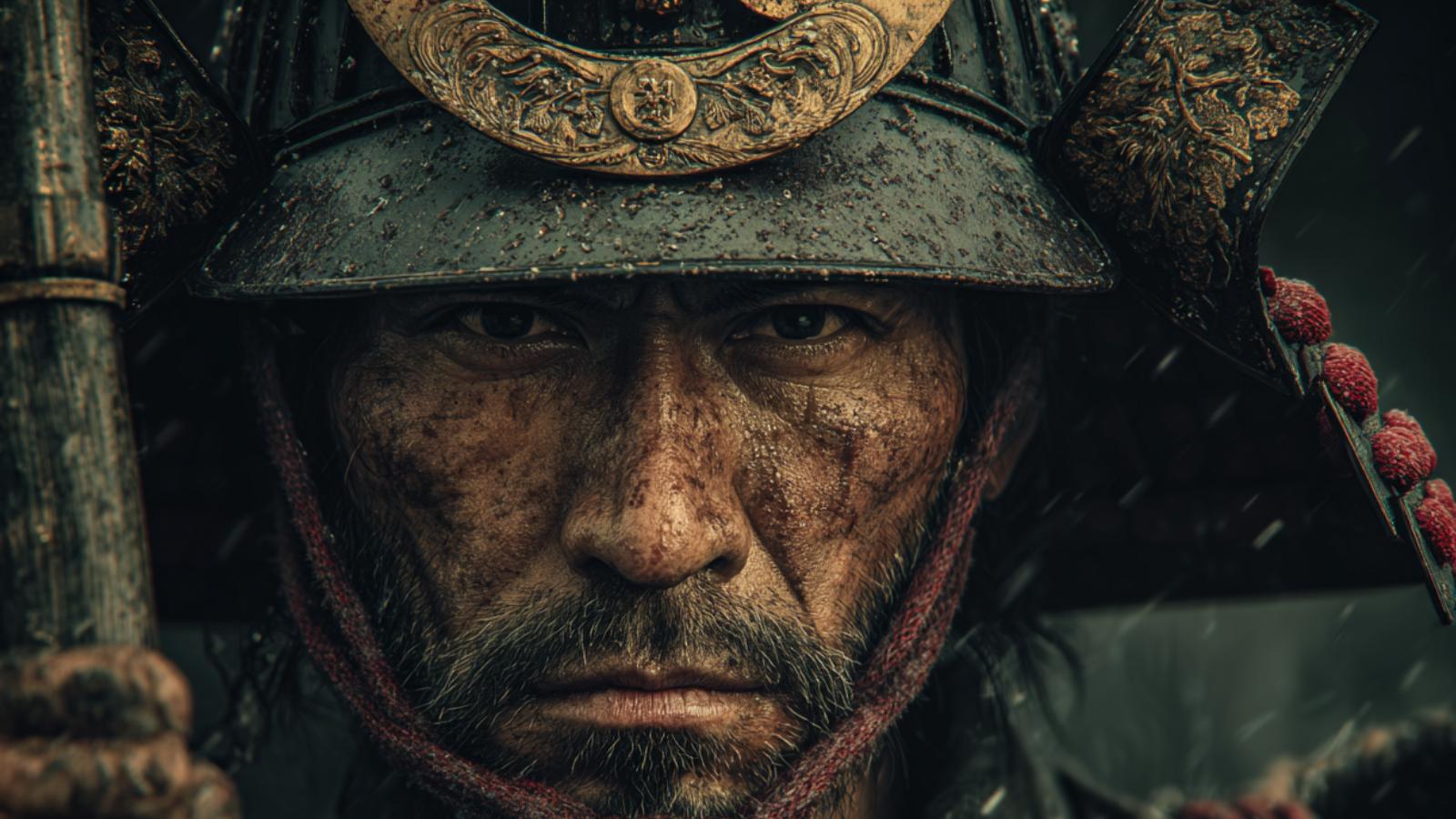
“武士の道は、心の強さにある。”
— The way of the samurai lies in the strength of the heart.

| Lead 統率 |
Valor 武勇 |
Intel 知略 |
Pol 政治 |
|---|---|---|---|
| 70 | 75 | 80 | 65 |
| Name (JP) | 柳生 宗厳 |
|---|---|
| Title | Chief Retainer |
| Clan / Force | Tokugawa Shogunate |
| Era | 1527 – 1606 |
| Origin | Mimasaka |
| Key Battles | |
| Arts | Martial Arts |
About Yagyu Muneyoshi
His family was known for their martial prowess, and Muneyoshi was steeped in the ways of the sword from a young age.
The Yagyu clan held significant influence during the Sengoku period, and their dedication to martial arts allowed Muneyoshi to flourish as a warrior.
As a capable swordsman, Muneyoshi was drawn into various conflicts during his early career.
His skills not only earned him respect on the battlefield but also attracted the attention of influential leaders.
He became known for his role as a martial arts instructor, particularly in the Yagyu Shinkage-ryu style he refined and popularized.
His teachings emphasized both physical technique and mental discipline, contributing to his reputation as a master swordsman.
Throughout his service, Muneyoshi participated in several key, aligning with powerful figures such as Toyotomi Hideyoshi.
His approach to combat blended traditional swordsmanship with innovative tactics, making him an asset in skirmishes and larger alike.
His presence on the battlefield was marked by exceptional valor and strategic awareness, which gained him admiration among his peers and commanded the respect of enemies.
After decades of service, Muneyoshi retired to focus on training the next generation of samurai.
His lives on in the Yagyu Shinkage-ryu school, which continues to influence martial arts today.
Muneyoshis teachings also delve into the philosophical aspects of being a samurai, highlighting the importance of integrity and honor in warfare.
His life and contributions solidified his status as an influential figure during one of Japans most tumultuous eras.









comment