
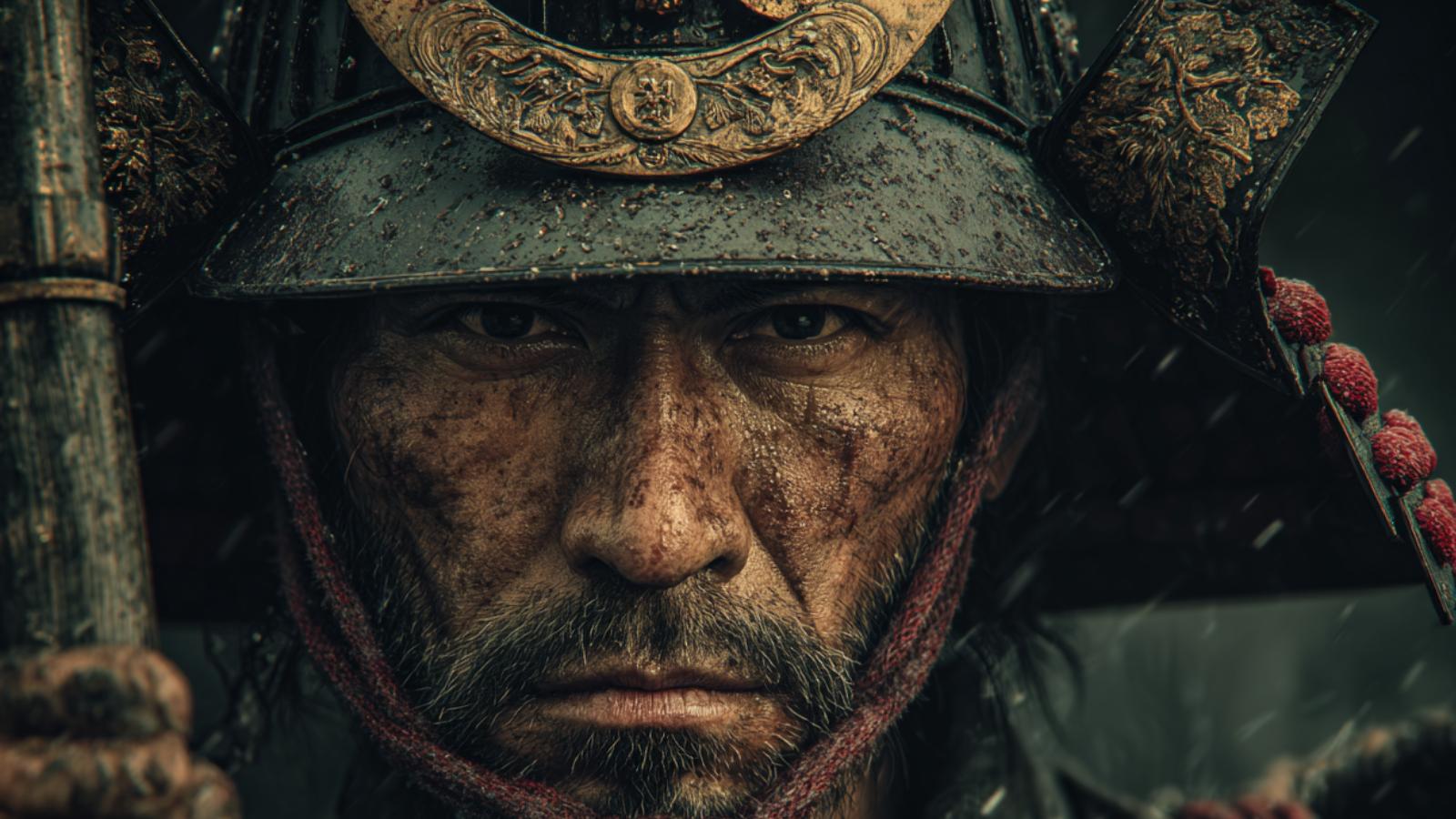
“剣は礼を忘れず、心は和を持つべし。”
— The sword must not forget courtesy, and the heart must hold harmony.

| Lead 統率 |
Valor 武勇 |
Intel 知略 |
Pol 政治 |
|---|---|---|---|
| 75 | 70 | 68 | 60 |
| Name (JP) | 薮内 剣仲 |
|---|---|
| Title | General |
| Clan / Force | Unknown |
| Era | 1560 – 1625 |
| Origin | Chūgoku |
| Key Battles | |
| Arts | Martial Arts |
About Yabunouchi Kenchu
Coming from a family of samurai, Kenchu was raised with the virtues of loyalty and honor ingrained in him from a young age.
He trained rigorously in various martial arts, becoming proficient in Kenjutsu and other combat disciplines.
His shaped his values and set the path for his future in military service.
Kenchu began his career as a retainer for a local lord, where he demonstrated exceptional talent in both leadership and combat.
As he gained respect among his peers, he quickly rose through the ranks during the tumultuous Sengoku period.
His ability to inspire loyalty and his tactical skills earned him the position of General.
Kenchu played a significant role in several key, where his forces often outmaneuvered the enemy despite being outnumbered.
His reputation grew as a capable leader with a fierce prowess in battle.
Throughout his career, Kenchu participated in numerous significant that defined the Sengoku era.
His strategic mind allowed him to devise clever tactics that turned the tide in many conflicts.
Notable among these was the Battle of Sekigahara, where he aligned with the Eastern army, demonstrating his loyalty and strategic insights.
Kenchu’s warriors were known for their discipline and skill, reflecting his training and leadership.
Although he faced many challenges, including rival daimyos and shifting allegiances, Kenchu remained steadfast in his commitment to his clan.
Yabunouchi Kenchus is remembered for both his martial skills and his contributions to military tactics during his time.
He trained many future samurai, passing down his knowledge of combat and the importance of honor and respect in warfare.
His teachings influenced the next generation of samurai, cementing his place in history as a capable general who fought valiantly for his lord.
The ideals he upheld continue to resonate in the cultural memory of the samurai ethos and Japanese martial arts.









comment