
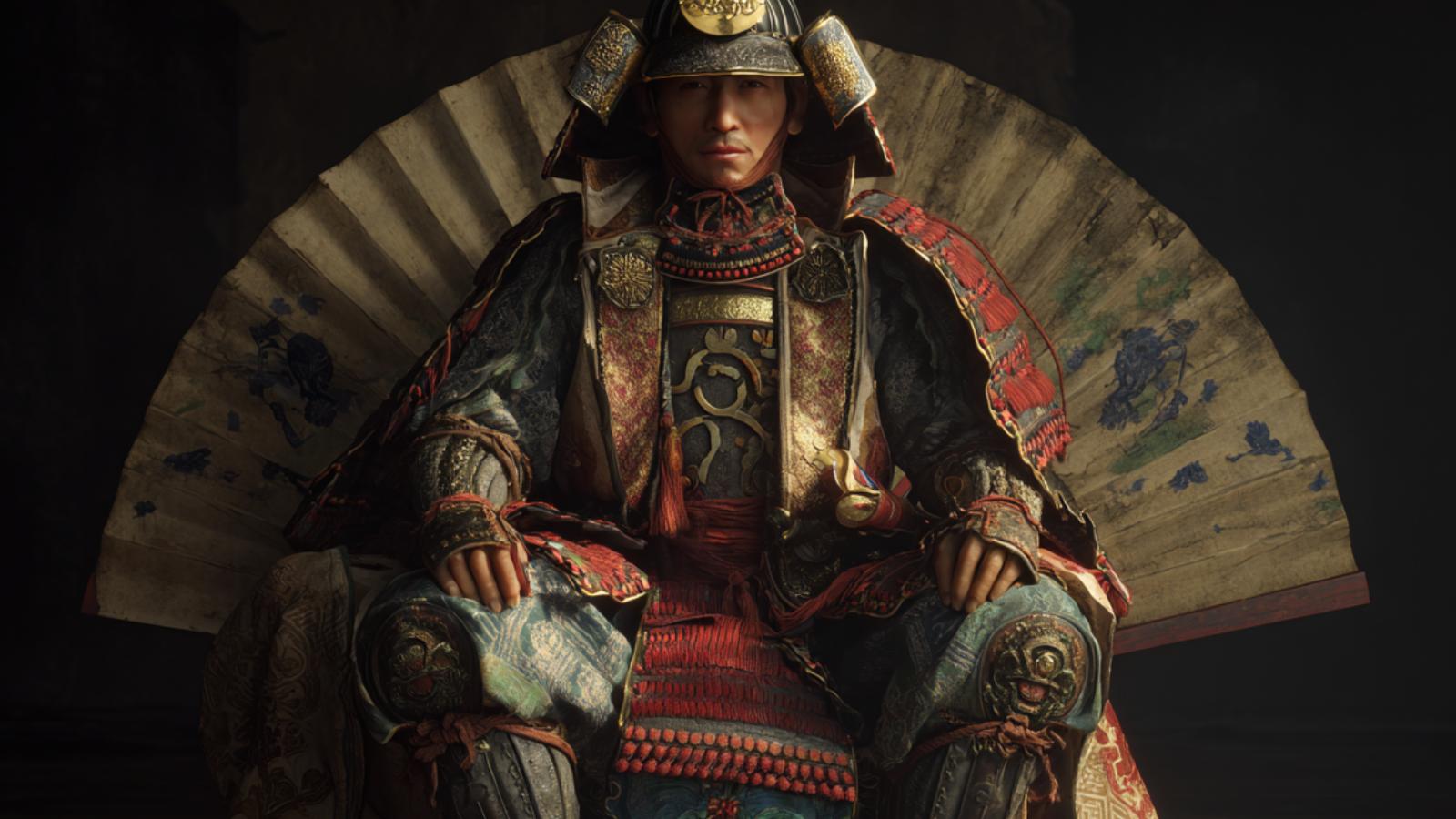
“心に剣を持て、理を追い求めよ。”
— Carry a sword in your heart, seek the way of reason.

| Lead 統率 |
Valor 武勇 |
Intel 知略 |
Pol 政治 |
|---|---|---|---|
| 75 | 70 | 80 | 65 |
| Name (JP) | 脇坂 安元 |
|---|---|
| Title | Daimyo |
| Clan / Force | Tokugawa Clan |
| Era | 1534 – 1602 |
| Origin | Bizen |
| Key Battles | |
| Arts | Calligraphy |
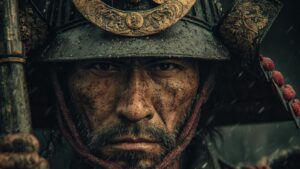
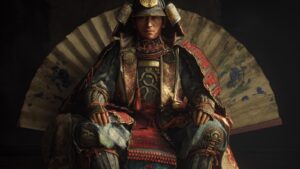
About Wakisaka Yasumoto
Growing up amidst the chaos of the Sengoku period, he was educated in both the arts of war and governance, preparing him for a life of leadership.
Yasumoto rose through the ranks as a capable warrior, gaining recognition for his shrewd tactics in various skirmishes.
His allegiance shifted between prominent warlords, which allowed him to build relationships with powerful figures, increasing his political influence and establishing himself as a significant player in the regional power struggles.
He eventually became a notable daimyō, commanding respect from his peers.
Throughout his career, Yasumoto participated in numerous, displaying notable valor and strategic acumen.
He effectively led his troops in key confrontations, demonstrating a keen understanding of battlefield dynamics that earned him a reputation as a reliable commander.
His leadership was instrumental during pivotal conflicts that shaped the course of Japanese history during the late 16th century.
Wakisaka Yasumoto left behind a of loyalty, skill, and diplomacy.
His contributions to the unification efforts in Japan were remembered by those who fought alongside him and by later generations as an embodiment of the virtues of a samurai.
His life story remains a testament to the complexities of loyalty and strategy in the tumultuous era of the Sengoku period.
comment