
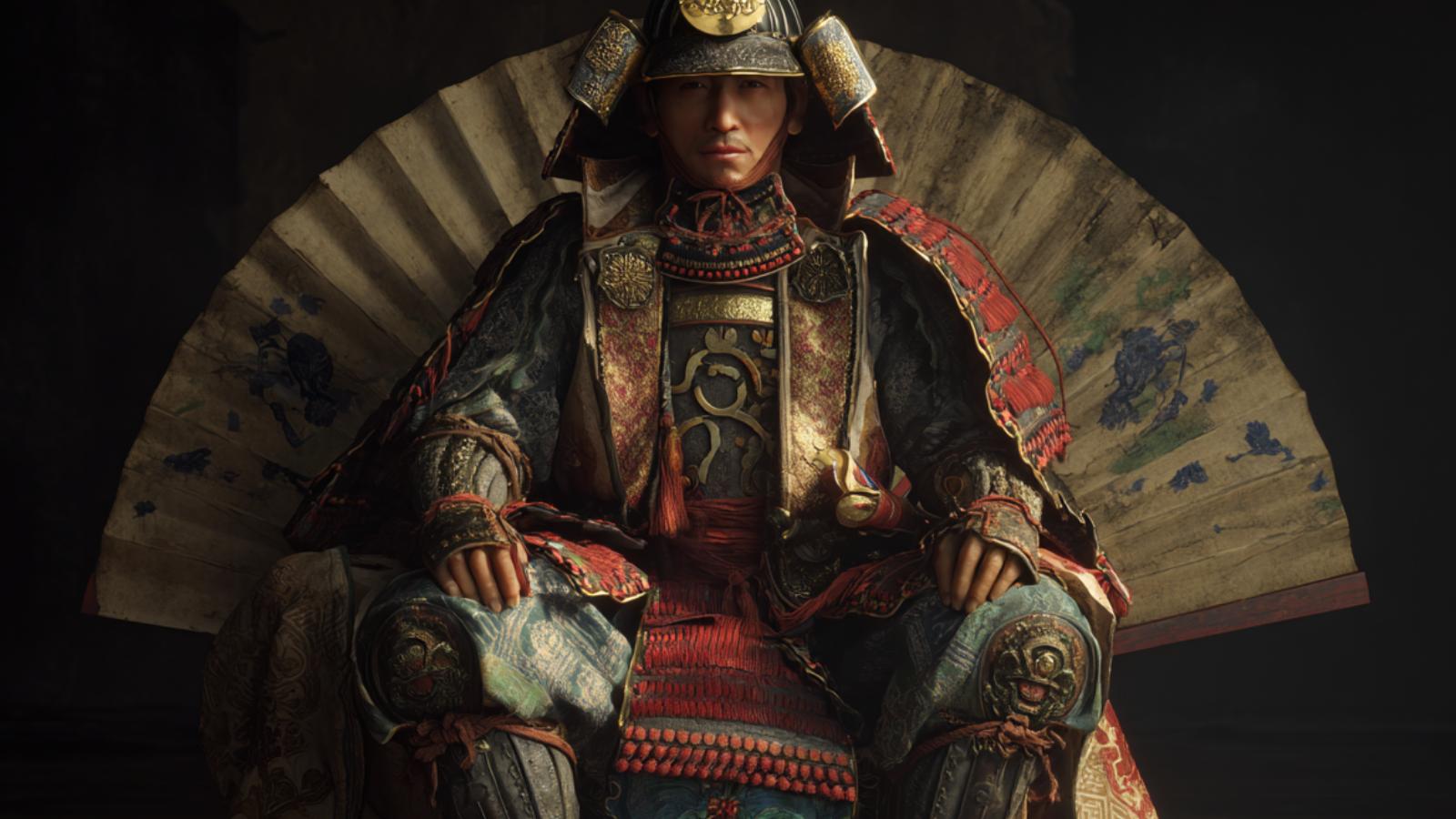
“勇気ある者の道は、新たなる未来を切り拓く。”
— The path of the brave opens new futures.

| Lead 統率 |
Valor 武勇 |
Intel 知略 |
Pol 政治 |
|---|---|---|---|
| 72 | 68 | 75 | 65 |
| Name (JP) | 宇都宮 国綱 |
|---|---|
| Title | Daimyo |
| Clan / Force | Utsunomiya Clan |
| Era | 1545 – 1610 |
| Origin | Tochigi |
| Key Battles | |
| Arts | Swordsmanship |
About Utsunomiya Kunitsuna
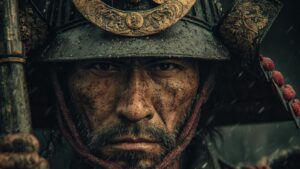
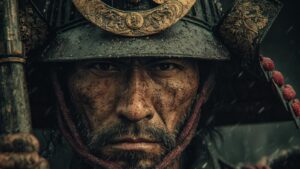
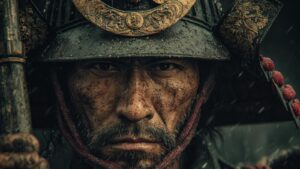
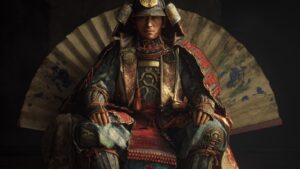
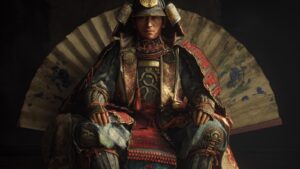
As a member of the Utsunomiya clan, his lineage traced back to powerful shugo (military governors), which provided him with a strong foundational education in martial skills and governance.
His was marked by the intense power struggles of the Sengoku period, a time which demanded extraordinary capacity for leadership and strategic thinking.
Throughout his youth, Kunitsuna honed his swordsmanship and strategic acumen, earning him respect among his peers.
His leadership was first tested as a retainer under stronger daimyō, where he displayed considerable skill in both military tactics and diplomacy.
As he gained prominence, Kunitsuna began consolidating power over Tochigi province, eventually declared a daimyō in his own right.
His effective governance led to economic development in the area, establishing strong trade connections that benefitted local peasants and merchants alike.
Kunitsuna fought valiantly in numerous conflicts during the Sengoku period, showcasing not only his martial prowess but also his remarkable ability to inspire loyalty among his troops.
His strategies were carefully crafted, often employing ambush tactics that capitalized on his opponents’ weaknesses.
One of his most notable engagements was during the Siege of Utsunomiya Castle, where his leadership was instrumental in defending the stronghold from rival clans.
He also played a crucial role in regional alliances that shaped the power dynamics of the time, maneuvering through political landscapes with adeptness.
Utsunomiya Kunitsuna passed away in 1610, leaving a as a skilled leader and a revered swordmaster.
His emphasis on education, governance, and military training set a precedent for future generations in the region.
Despite not reaching the legendary status of some of his contemporaries, his influence on Tochigi’s development during the tumultuous Sengoku period remains significant, and his teachings in swordsmanship continue to inspire martial arts practitioners.
Overall, Kunitsuna is remembered not just for his battlefield achievements but also for his commitment to building a prosperous and united province.
comment