
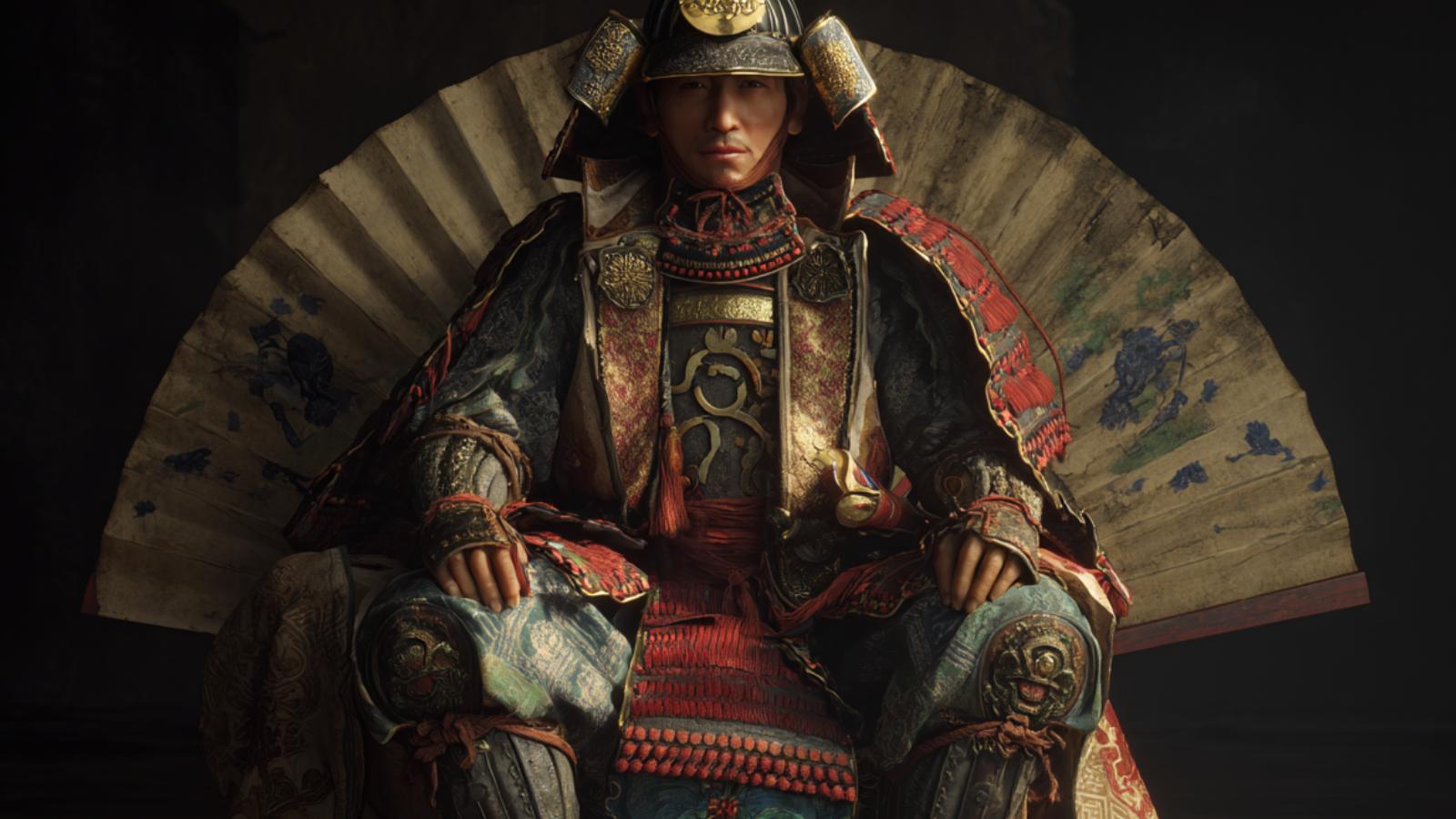
“自らを高め、周囲を治める者が本物の君主だ。”
— A true lord elevates himself while governing those around him.

| Lead 統率 |
Valor 武勇 |
Intel 知略 |
Pol 政治 |
|---|---|---|---|
| 82 | 80 | 76 | 75 |
| Name (JP) | 宇喜多 直家 |
|---|---|
| Title | Daimyo |
| Clan / Force | Mōri Clan |
| Era | 1530 – 1584 |
| Origin | Bizen |
| Key Battles | |
| Arts | Warlord Poetry |
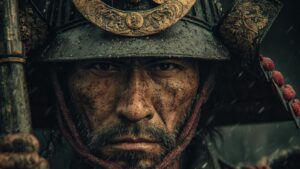
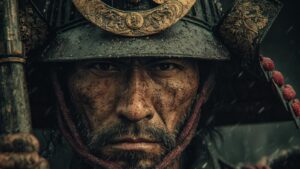
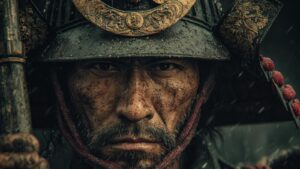
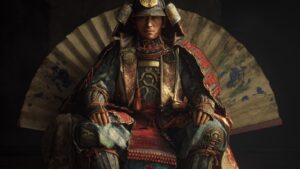
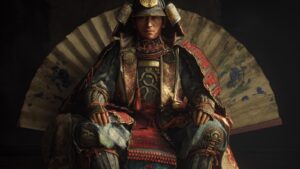
About Ukita Naoie
Growing up during the tumultuous Sengoku period, he was exposed to warfare and politics from a young age.
Naoie was trained in the arts of combat and strategy, demonstrating a keen intellect and a natural leadership ability that would later serve him well in his campaigns.
As a young man, Naoie inherited the leadership of his clan following the death of his father.
He quickly established himself as a formidable leader, forming alliances that expanded his territory and solidified his power.
Naoies adeptness at diplomacy earned him the respect of fellow daimyos, and he became an important figure in the power struggles of the time, particularly aligning with prominent leaders like Toyotomi Hideyoshi during the latter part of his career.
Naoie participated in numerous throughout his life, showcasing both his valor and tactical skills.
He was instrumental in the Siege of Takamatsu in 1582, and his strategies helped his allies to secure victory at various key engagements.
His ability to command troops and inspire loyalty was noted by historians, making him well-regarded among his peers.
Despite the chaotic nature of the period, Naoies prowess allowed the Ukita clan to maintain a significant role in the shifting landscape of Japanese feudal politics.
Ukita Naoie passed away in 1584, leaving behind a as a capable and respected daimyo.
His contributions to the military and political landscape of his era were significant, and his family lineage continued to influence Japanese history.
His blend of martial skill and diplomatic acumen made him a lasting figure in the annals of Japans Sengoku period, representing the ideal balance of warrior and statesman.
comment