
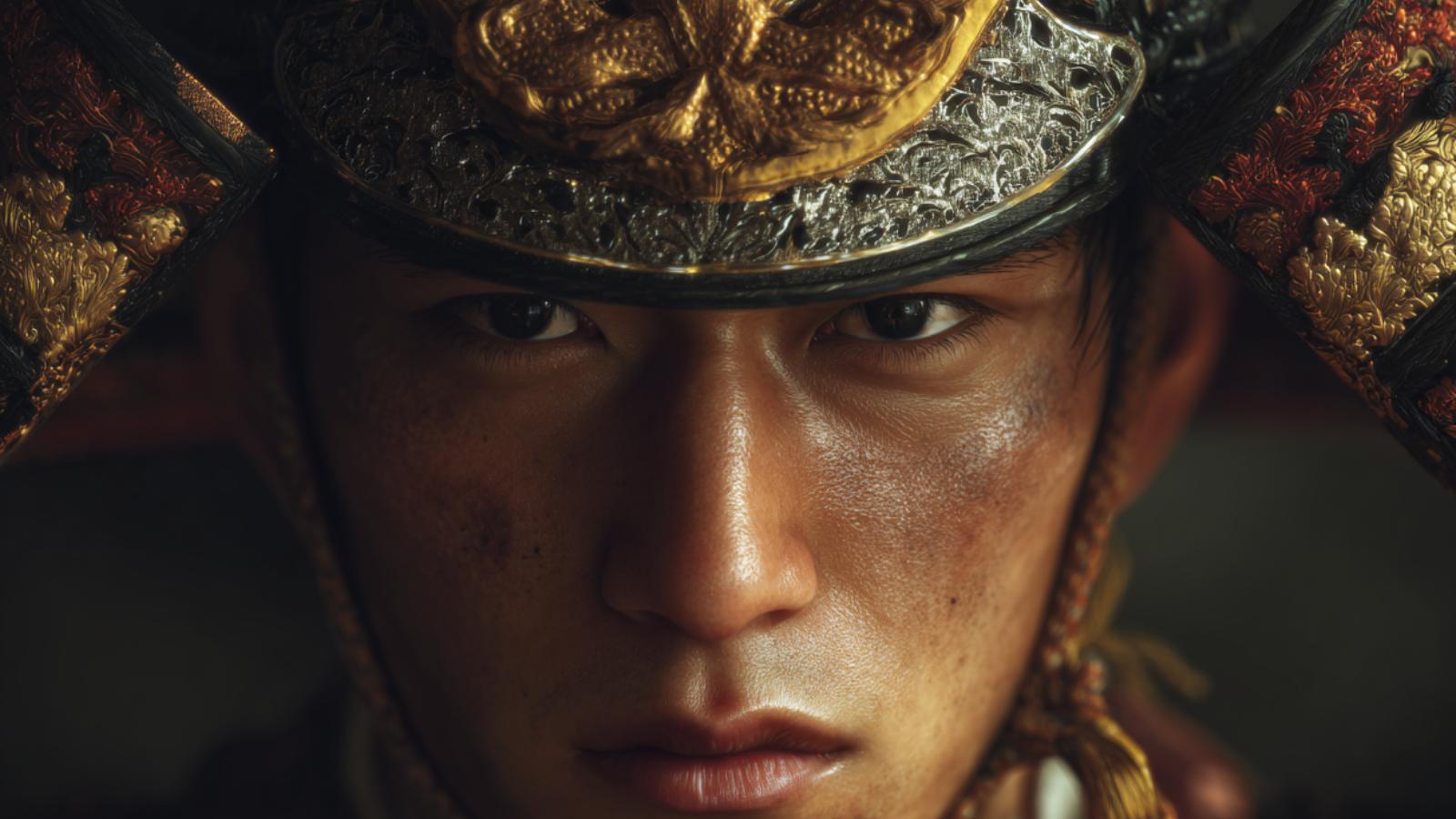
“我が竜の力を見よ!”
— Behold the power of my dragon!

| Lead 統率 |
Valor 武勇 |
Intel 知略 |
Pol 政治 |
|---|---|---|---|
| 75 | 70 | 80 | 65 |
| Name (JP) | 宇喜多 秀家 |
|---|---|
| Title | Daimyo |
| Clan / Force | Toyotomi Army |
| Era | 1560 – 1602 |
| Origin | Bizen |
| Key Battles | |
| Arts | Calligraphy |
About Ukita Hideie
A member of the powerful Ukita clan, he was the son of Ukita Naoie, who played a vital role in the tumultuous political landscape of Japan during this era.
Hideie was raised in an environment where martial skills and strategic knowledge were paramount.
As a young lord, he demonstrated impressive capabilities in leadership and combat, quickly gaining respect from allies and adversaries alike.
In his early years, Hideies military career began under the auspices of Toyotomi Hideyoshi, a leading figure in the unification of Japan.
His talents became apparent during various campaigns, and he was entrusted with important territories.
Over time, Hideie developed a reputation for his ability to manage both warfare and his vassals efficiently.
His strategic mind earned him a place among Hideyoshi’s trusted generals, as he played a significant role in the against the Hojo clan, further solidifying his status as a capable leader.
One of Hideies most notable military achievements was his involvement in the Siege of Odawara in 1590, where he was instrumental in orchestrating strategies that led to the eventual success of Toyotomi forces.
His valor in combat, although not as celebrated as some of his contemporaries like Kato Kiyomasa, still earned him recognition for his commitment to the cause.
His tactical acumen was evident in various engagements, leading his troops effectively while maintaining morale and cohesion among his ranks.
However, he faced challenges later in life during the Battle of Sekigahara in 1600, where the outcome of the conflict would ultimately shape the future of Japan.
Ukita Hideie passed away in 1602, leaving behind a complex marked by loyalty to his liege lords and skilled governance.
His contributions to the unification of Japan and military campaigns cemented his status not just as a leader in battle, but also as a respected figure among the samurai class.
Despite facing defeat in the later stages of his life, his actions during the Sengoku period have been remembered as defining moments in Japanese history, showcasing the trials and tribulations of a daimyo navigating the turbulent seas of war and power.









comment