
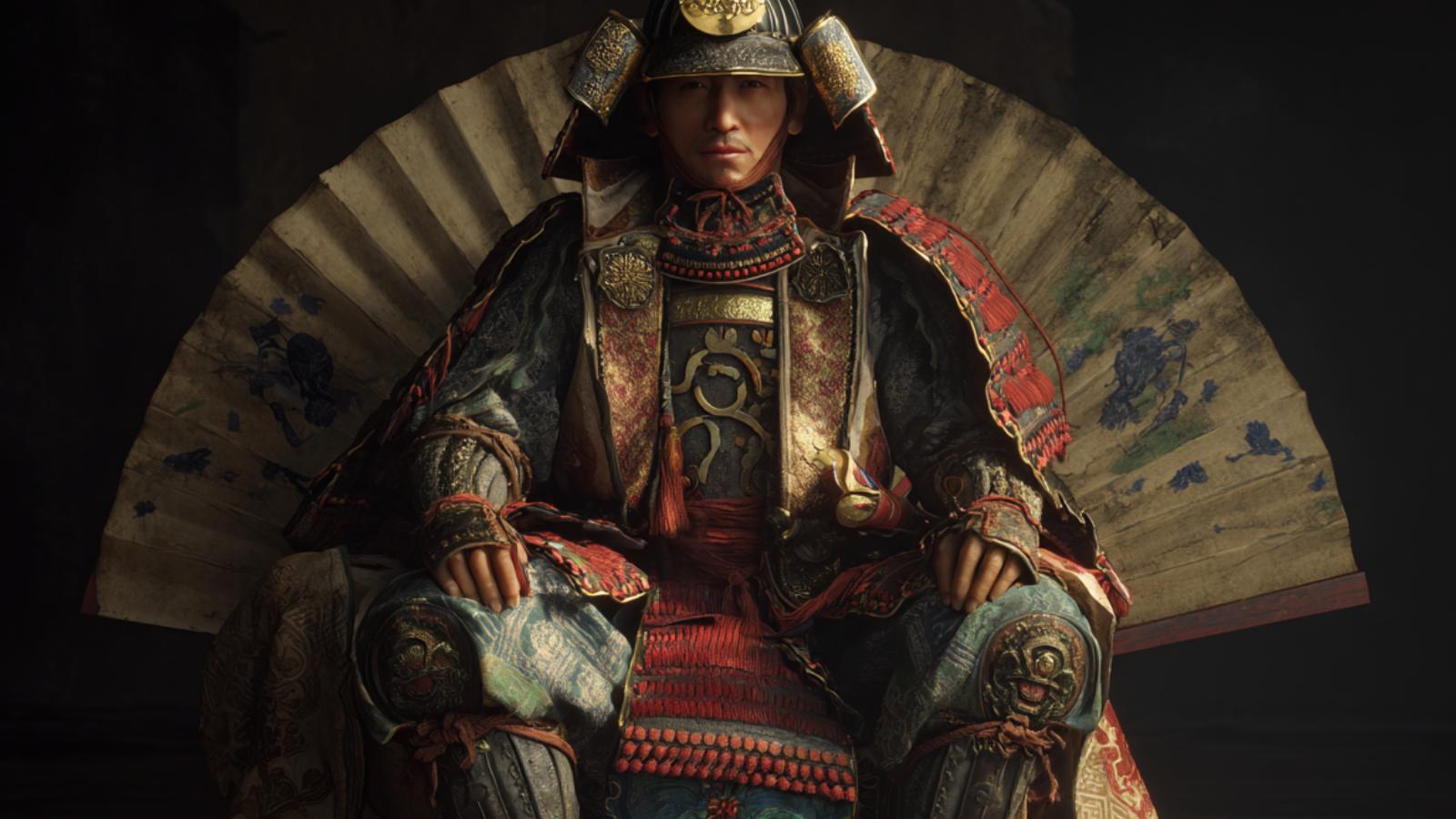
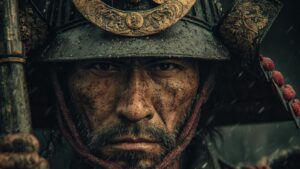
“名を残すために戦い、武将の誉れを持つ。”
— I fight to leave my name behind and carry the honor of a warrior.

| Lead 統率 |
Valor 武勇 |
Intel 知略 |
Pol 政治 |
|---|---|---|---|
| 72 | 68 | 75 | 65 |
| Name (JP) | 氏家 守棟 |
|---|---|
| Title | Daimyo |
| Clan / Force | Unknown |
| Era | 1562 – 1626 |
| Origin | Kōzuke |
| Key Battles | |
| Arts | Noh Theater |
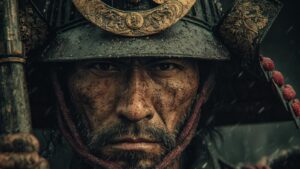
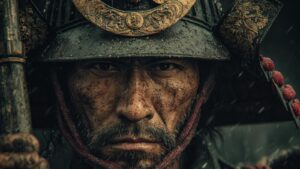
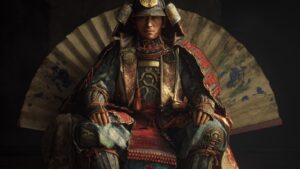
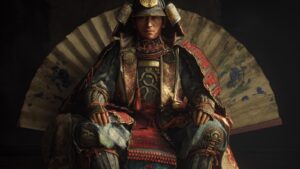
About Ujiie Morimune
He was the son of Ujiie Morinobu, a local lord, and grew up in an environment filled with the martial challenges of the time.
As a youth, Morimune exhibited a keen sense of leadership, which would later play a crucial role in his military career.
His family lineage as Shugo granted him an initial standing in the feudal hierarchy, providing him with opportunities to learn the ways of governance and warfare.
Morimunes to power began in his early twenties when he was entrusted with command over his familys territories.
As the power dynamics shifted in Japan, he allied with prominent figures such as Toyotomi Hideyoshi, which helped him consolidate his influence.
His strategic acumen allowed him to navigate the complexities of feudal politics, and he gained respect and recognition as a daimyō.
This period saw significant developments in his governance style, as he balanced military commitments with the welfare of his people, striving to foster a prosperous environment in Kōzuke.
Throughout his career, Ujiie Morimune participated in several critical during the unification of Japan.
His military strategy was highlighted during the Siege of Osaka, where his tactical innovations earned him accolades from both allies and rivals.
Morimunes ability to inspire his troops and maintain morale in difficult times proved essential.
His valor, although respectable, was not without controversy, as some of his decisions on the battlefield drew criticism.
Nevertheless, he maintained a reputation as a capable general, balancing offensive maneuvers with defensive tactics to protect his domain.
Ujiie Morimune passed away in 1626, leaving behind a of governance that emphasized stability and peace in Kōzuke province.
His contributions to Noh theater helped promote cultural arts in his territory, showing that he valued not only military prowess but also cultural enrichment.
Today, he is remembered as a competent daimyō who played a vital role in Japans transition from feudal warfare to a more centralized form of governance during the early Edo period.
comment