
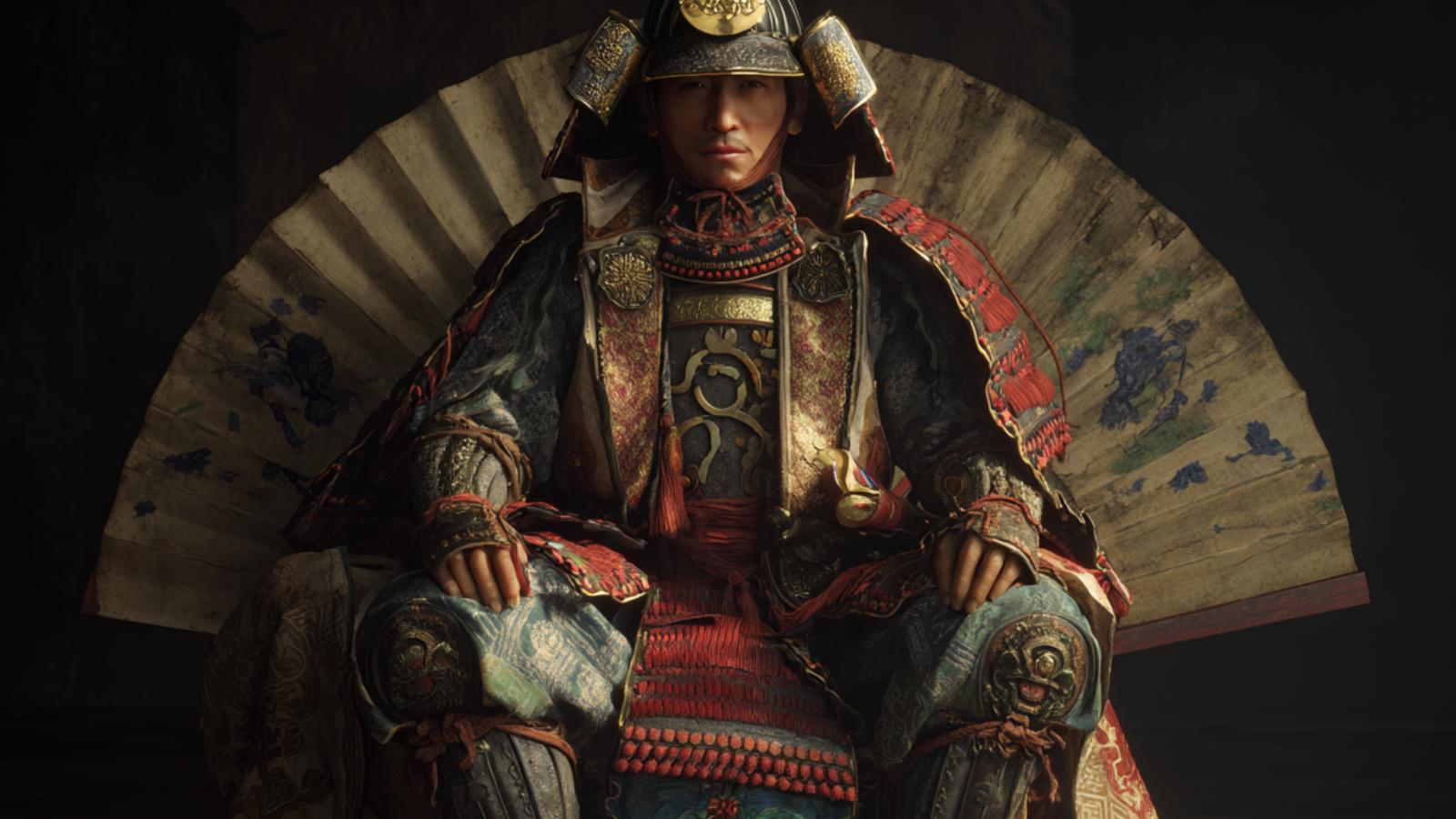
“志無き者には勝利はない。”
— Victory belongs to those who have a purpose.

| Lead 統率 |
Valor 武勇 |
Intel 知略 |
Pol 政治 |
|---|---|---|---|
| 75 | 70 | 68 | 60 |
| Name (JP) | 氏家 光氏 |
|---|---|
| Title | Daimyo |
| Clan / Force | Ujiie Clan |
| Era | 1533 – 1579 |
| Origin | Mino |
| Key Battles | |
| Arts | Noh Theatre |
About Ujiie Mitsuuji
Coming from the noble lineage of the Ujiie clan, he was trained in the ways of the samurai from an early age.
His familys previous service as vassals gave him the connection and knowledge needed to navigate the complex web of alliances and rivalries that characterized the era.
Mitsuujis in the political and military ranks began as he took control of his family’s domain and sought alliances with powerful neighboring clans.
His strategic mindset and understanding of military tactics allowed him to forge significant relationships with powerful leaders, including Oda Nobunaga.
As conflicts arose, he showed a willingness to adapt and learn, often modifying traditional tactics to suit the changing battlefield dynamics.
During the pivotal moments of the Sengoku period, Ujiie Mitsuuji participated in several key .
Notably, his involvement in the Battle of Nagashino in 1575 showcased his capabilities and ability to command his troops effectively.
He displayed a courage that resonated among his soldiers, often leading from the frontlines.
His valor, while commendable, was complemented by a strategic intellect that allowed him to devise plans that maximized his armys strengths against larger foes.
Despite his commendable performance in battle and leadership, Mitsuujis is often overshadowed by the larger-than-life figures of the time.
His contributions to Japanese military strategies remain significant, particularly for succeeding generations of samurai.
Ujiie Mitsuuji passed away in 1579, leaving behind a storied as a capable daimyo who navigated one of the most tumultuous periods of Japanese history, cementing his place in the annals of samurai lore.









comment