
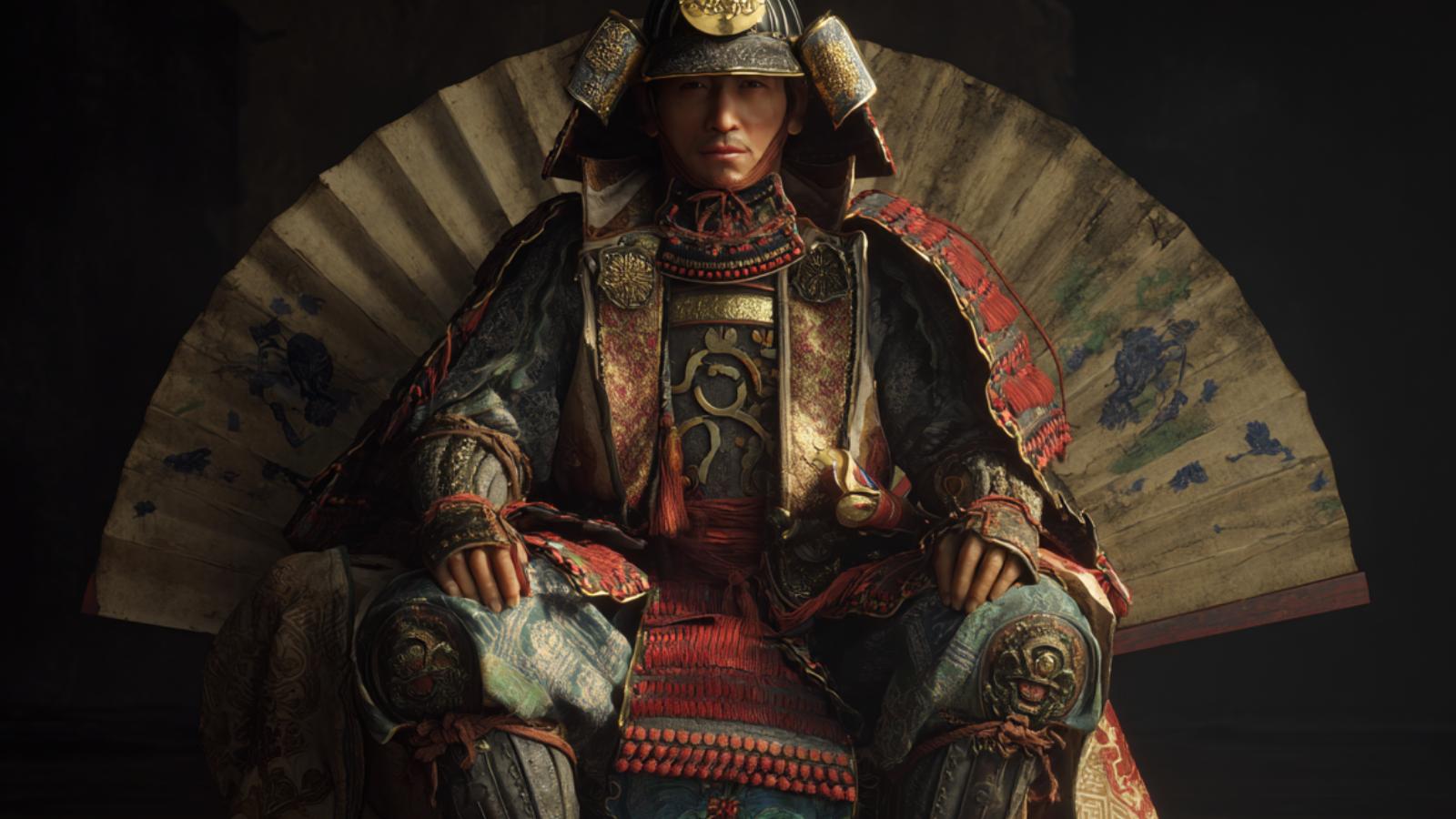
“万事一つの理をもって処し、他を求めて容赦なし。”
— Handle all matters with a singular principle, and show no mercy to those who seek more.

| Lead 統率 |
Valor 武勇 |
Intel 知略 |
Pol 政治 |
|---|---|---|---|
| 85 | 70 | 90 | 75 |
| Name (JP) | 上杉 景勝 |
|---|---|
| Title | Daimyo |
| Clan / Force | Uesugi Clan |
| Era | 1561 – 1623 |
| Origin | Yamagata |
| Key Battles | |
| Arts | Noh Theatre |
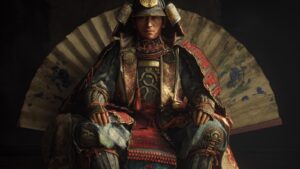
About Uesugi Kagekatsu
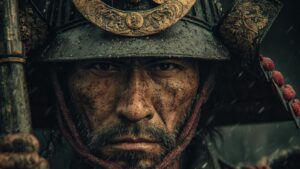
Kagekatsu was raised amidst the tumultuous warfare of the Sengoku period, where he was steeped in the art of strategy and combat from a young age.
He was the son of Uesugi Kagenobu and was adopted by Uesugi Kenshin, the legendary warlord.
Upon Kenshins death in 1578, Kagekatsu became a leader and was expected to uphold and expand the clans influence.
Following Kenshins passing, Kagekatsu faced significant challenges, including rivalries with other daimyōs and internal strife within his own clan.
His leadership during this period was marked by tactical brilliance and a commitment to the of his predecessor.
He engaged in several key that showcased his strategic mind, particularly in the struggle against the powerful Takeda clan and later against forces aligned with Toyotomi Hideyoshi.
Kagekatsus ability to rally his troops and implement effective strategies earned him respect and loyalty, solidifying his position in the pantheon of great samurai leaders.
Kagekatsu fought in numerous, demonstrating both valor and a keen understanding of warfare.
His most notable conflicts include the Battle of Kawanakajima against Takeda Shingens forces, where he showcased his skill and intellect in command.
In the wake of Hideyoshis, Kagekatsu played a critical role during the campaigns and negotiations, eventually aligning himself with the Toyotomi to uphold the Uesugi clans standing.
His diplomatic efforts were equally essential as he navigated the treacherous political landscape of Sengoku Japan.
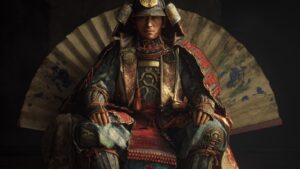
Uesugi Kagekatsu left a profound in Japanese history, remembered as a great leader and tactician.
His contributions to the Uesugi clan and his impact on the Sengoku period continue to be studied and revered in Japan.
Not only did he excel on the battlefield, but he also appreciated the cultural aspects of leadership, patronizing the arts, including Noh theatre, which flourished under his rule.
Kagekatsus life story represents the complexities and challenges faced by samurai leaders during one of Japans most tumultuous eras.
His endures, cementing his place as a dignified and capable daimyō in the annals of history.
comment