
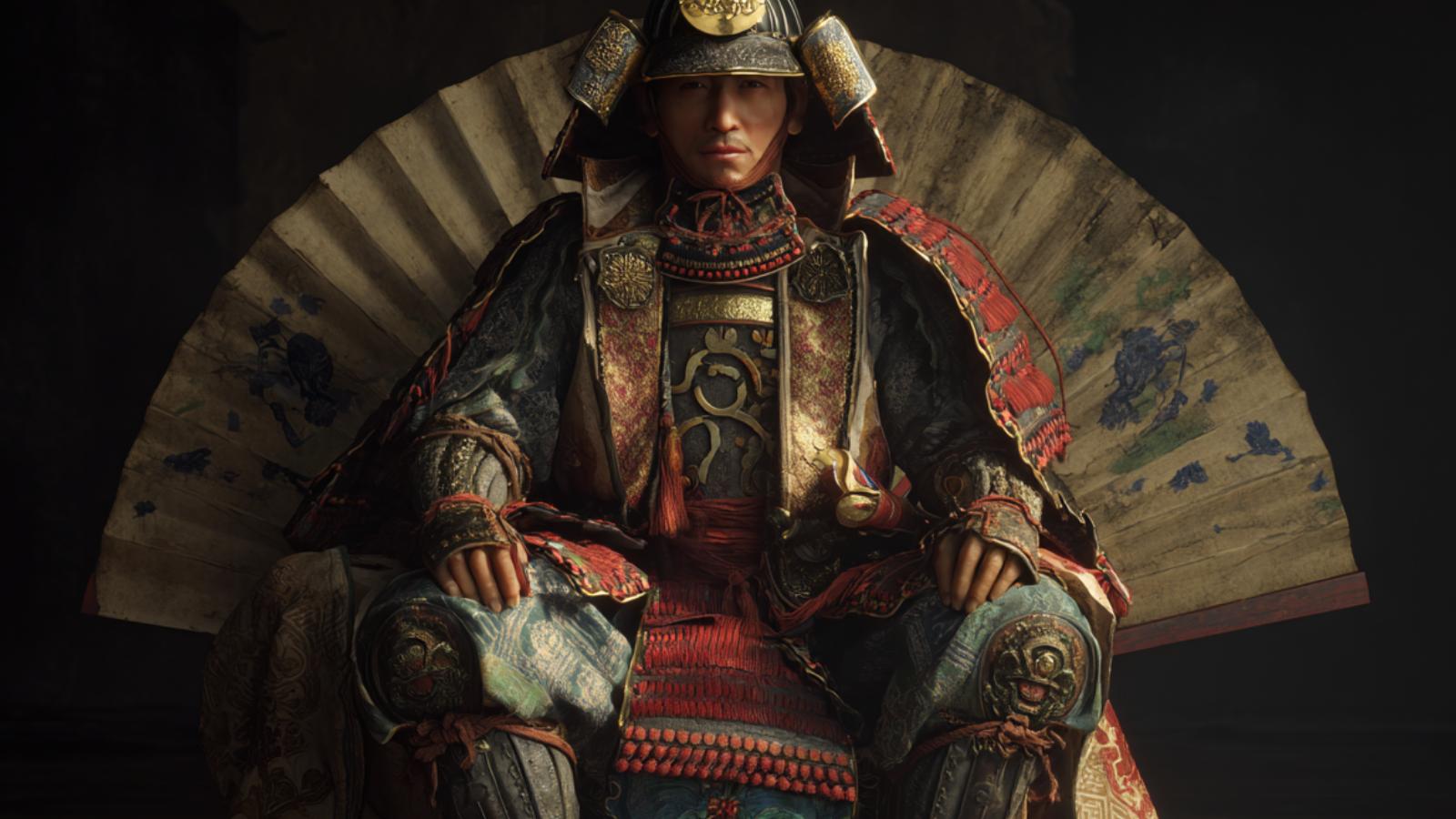
“名は天に、武士は戊辰に。”
— A name rests in the heavens, a warrior stands in battle.

| Lead 統率 |
Valor 武勇 |
Intel 知略 |
Pol 政治 |
|---|---|---|---|
| 70 | 65 | 75 | 60 |
| Name (JP) | 鵜殿 長照 |
|---|---|
| Title | Daimyo |
| Clan / Force | Uesugi Clan |
| Era | 1534 – 1574 |
| Origin | Mutsu |
| Key Battles | |
| Arts | Calligraphy |
About Udono Nagateru
His upbringing in a turbulent period filled him with both the martial skills and the political acumen required to navigate the chaotic waters of 16th-century Japan.
Early training under his father instilled in him the samurai code and the importance of loyalty and honor.
As a young samurai, Nagateru carved out his reputation by aligning himself with notable clan leaders and demonstrating his prowess in battle.
His diplomatic skills were particularly noteworthy; he managed to forge alliances with powerful daimyos in the region, enhancing his standing.
By the late 1560s, he had n to the rank of daimyo, asserting his authority over his lands and taking on a more significant role in the broader conflicts of the Sengoku period.
Nagateru fought in several key during his career, defending his territory against incursions while supporting his allies in their own struggles.
His tactical mind turned the tide in some engagements, earning him respect among his peers.
Notably, his ability to motivate and command his troops while facing difficult odds was a highlight of his military life.
Though he was not as famed as his contemporaries like Oda Nobunaga, his contributions to his clans strength are well-recorded.
Udono Nagateru passed away in 1574, leaving behind a as a capable and honorable warrior of the Sengoku period.
While he may not be as recognized as other samurai figures in history, his dedication to his clan and mastery in battle set him apart as a respected leader.
Today, he is remembered for his ability to unite and inspire those around him, eming the spirit of the samurai.









comment