
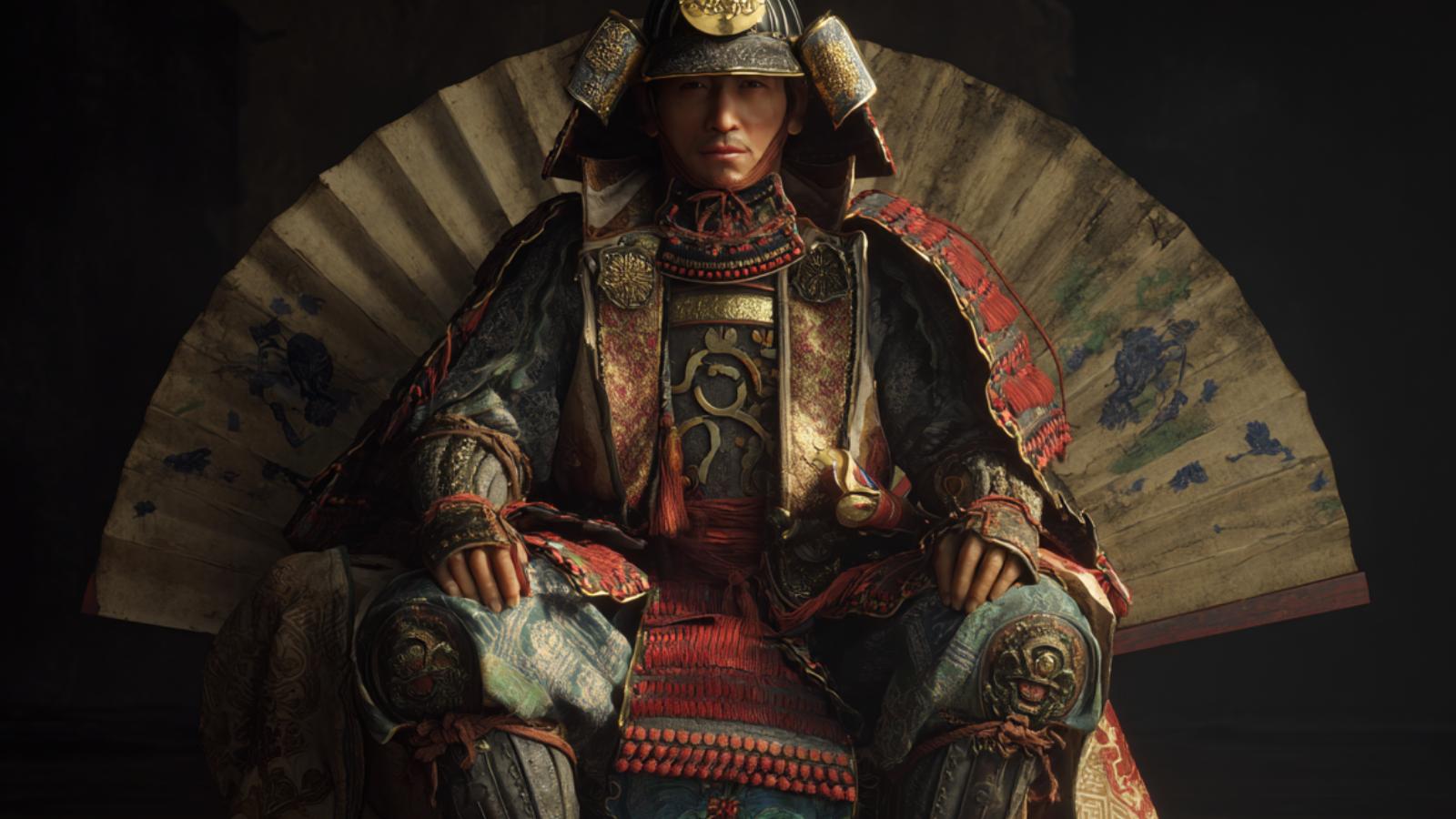
“忠義を尽くすは武士の道なり。”
— To fulfill loyalty and righteousness is the path of a samurai.

| Lead 統率 |
Valor 武勇 |
Intel 知略 |
Pol 政治 |
|---|---|---|---|
| 76 | 70 | 80 | 75 |
| Name (JP) | 筒井 定慶 |
|---|---|
| Title | Daimyo |
| Clan / Force | Asai Clan |
| Era | 1543 – 1610 |
| Origin | Yamato |
| Key Battles | |
| Arts | Noh Theatre |
About Tsutsui Sadayoshi
Growing up amid the turbulent Sengoku period, he received training in martial arts and strategy, setting the foundation for his future as a military leader.
The influence of his family emphasized loyalty, discipline, and the importance of service to the lord, instilling in him the samurai code, or bushido.
During his to power, Sadayoshi aligned himself with various powerful lords, displaying remarkable political acumen.
By leveraging his relationships with notable figures like Oda Nobunaga, he secured his position and expanded his territory.
Sadayoshis strategic insights often proved invaluable in both diplomacy and warfare, allowing him to navigate the complexities of Samurai politics successfully.
Tsutsui Sadayoshi participated in numerous throughout his career, showcasing his abilities as both a commander and warrior.
His military engagements were distinguished by careful planning and adaptability on the battlefield.
He was particularly noted for his contributions in the campaigns against the Takeda and Uesugi clans, where his strategies helped secure key victories for his allies.
His reputation as a capable general stemmed from merging brute force with cunning tactics.
Sadayoshis is characterized by his unwavering loyalty and military prowess.
Despite not being as renowned as some of his contemporaries, he left an indelible mark on the regions he governed.
His adherence to the samurai code, coupled with adept leadership, made him a respected figure in the annals of Japanese history.
In modern times, Tsutsui Sadayoshi is remembered as a capable and resourceful daimyo who played a crucial role in the social and political landscapes of his era.









comment