

“力を尽くし、忠を尽くす。”
— To give one’s all and to be loyal.

| Lead 統率 |
Valor 武勇 |
Intel 知略 |
Pol 政治 |
|---|---|---|---|
| 70 | 65 | 75 | 70 |
| Name (JP) | 筒井 順昭 |
|---|---|
| Title | Daimyo |
| Clan / Force | Unknown |
| Era | 1525 – 1585 |
| Origin | Yamato |
| Key Battles | |
| Arts | Ikebana |
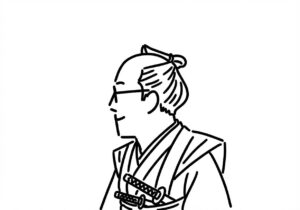
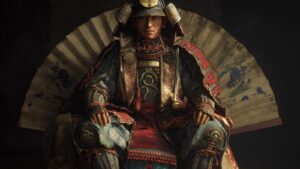
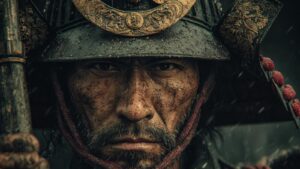
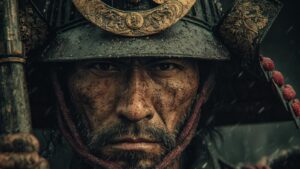
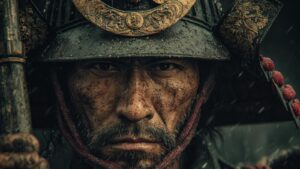
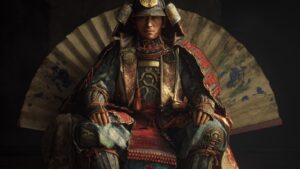
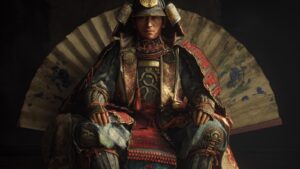
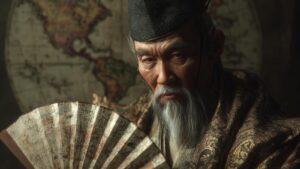
About Tsutsui Junsho
In his early years, he became familiar with the martial traditions of the samurai and demonstrated an aptitude for leadership.
His education involved not only martial skills but also studies in the arts, particularly Ikebana, which reflected the cultural sophistication of his lineage.
As he matured, Junsho began to carve out his reputation as a capable figure among the daimyōs of the era.
His tactical acumen was notable in skirmishes against neighboring clans, where his innovative strategies often turned the tide of battle in his favor.
By the late 1550s, he had solidified his status as a daimyō, commanding respect and loyalty from his vassals and soldiers alike.
His governance extended beyond military might; he was known for his diplomatic skills, negotiating alliances and managing relations with both allies and rivals.
Throughout his career, Tsutsui Junsho faced numerous conflicts, particularly against the advancing power of Oda Nobunaga.
While he was not among the front-line commanders of the most significant of the era, his engagements were marked by shrewd tactics and a focus on preserving his provinces autonomy.
His forces were often outnumbered, yet he managed to implement strategies that minimized losses and maximized territorial retention.
His ability to rally his troops even against overwhelming odds earned him a solid reputation, although he ultimately faced challenges in the shifting political landscape of the late Sengoku period.
Tsutsui Junshos is one of resilience and capability.
Though he is not as widely remembered as some of his contemporaries, he played an important role in the complex tapestry of alliances and conflicts that characterized the Sengoku period.
His contributions to governance and the arts left a lasting impact on the Yamato province, influencing future generations of leaders.
Today, he is regarded as a competent general whose dedication to his ideals and his people remains a point of admiration in samurai history.
comment