
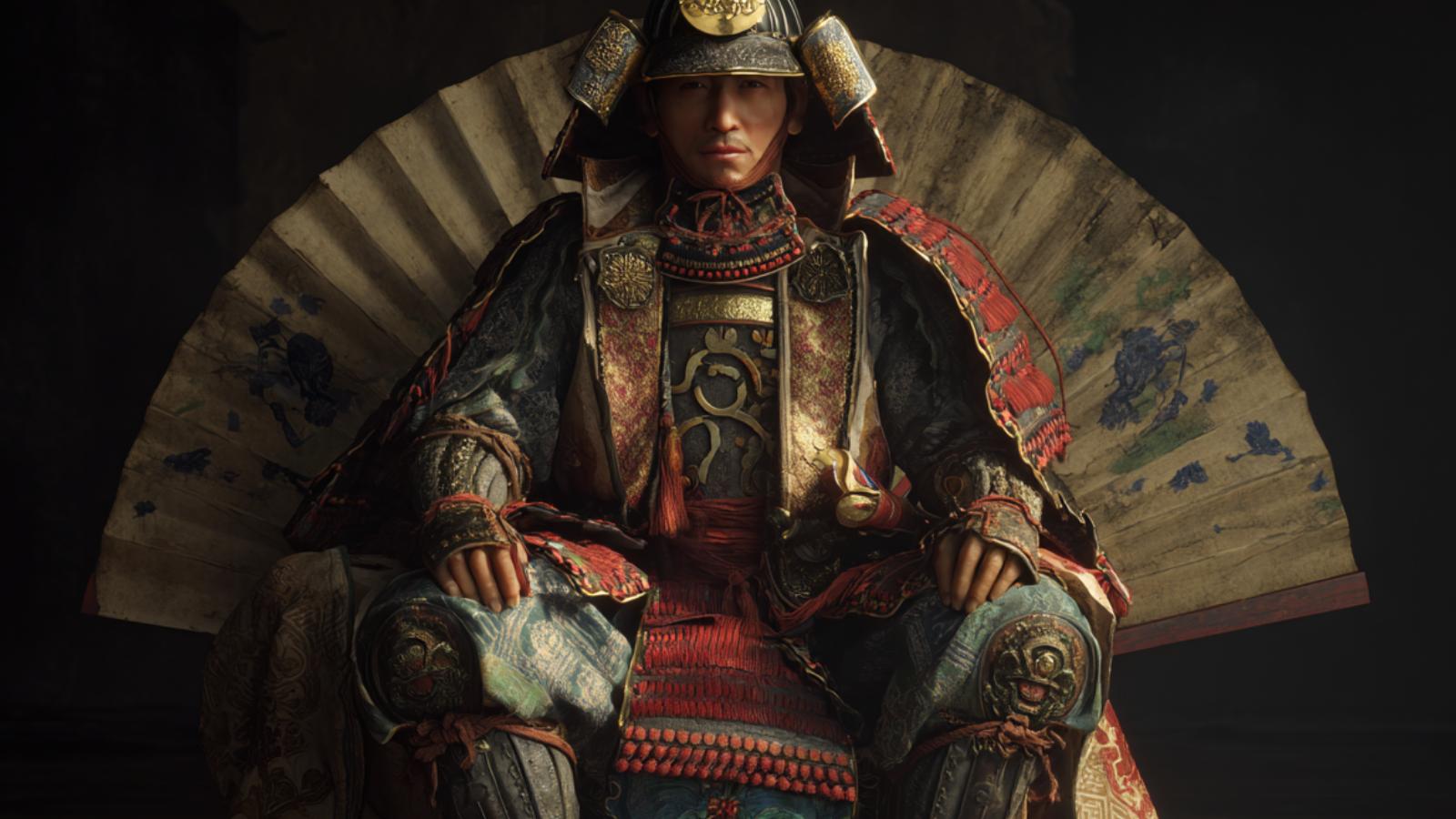
“武士は自らの道を歩むものだ。”
— A samurai must walk his own path.

| Lead 統率 |
Valor 武勇 |
Intel 知略 |
Pol 政治 |
|---|---|---|---|
| 75 | 70 | 80 | 68 |
| Name (JP) | 筒井 順慶 |
|---|---|
| Title | Daimyo |
| Clan / Force | Tsutsui Clan |
| Era | 1520 – 1583 |
| Origin | Yamato |
| Key Battles | |
| Arts | Calligraphy |
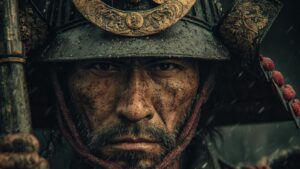
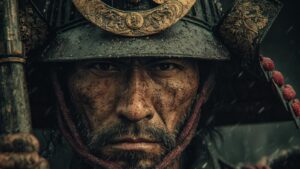
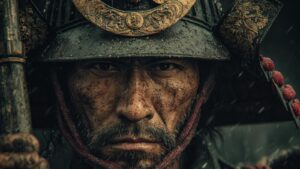
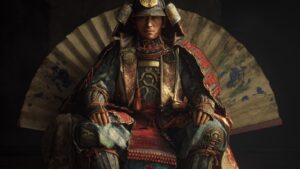
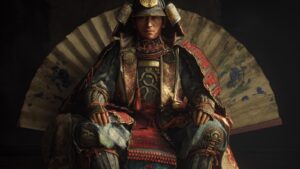
About Tsutsui Junkei
His family was part of the shugo class, warriors who held power over provincial areas.
Engaging in military affairs from an early age, Junkei developed a strong sense of duty and leadership.
As he matured, Tsutsui Junkei began to assert his influence in local, aligning himself with prominent warlords and gradually gaining territory and respect.
Known for his keen strategic thinking, he engaged in various conflicts, including skirmishes against rival clans.
His capability was recognized when he was granted the of daimyo, leading to increased responsibilities in governance and military leadership.
Throughout his career, Junkei fought numerous, showcasing his skills on the battlefield.
He was known for his ability to construct effective defensive strategies and for his courage in leading his troops into combat.
Tsutsuis forces often faced stiff competition, yet his leadership allowed him to remain a prominent figure.
His most notable engagements are remembered as turning points in local conflicts, contributing to the reshaping of power dynamics in Yamato province.
Tsutsui Junkeis is one of a soldier and statesman who balanced the sword and the pen.
His contributions to governance in Yamato left a lasting impact, as he fostered stability and order in a chaotic time.
Although not as famous as some of his contemporaries, Junkei is remembered by historians for his resilience and commitment to his principles, remaining an inspirational figure in Japanese history.
comment