
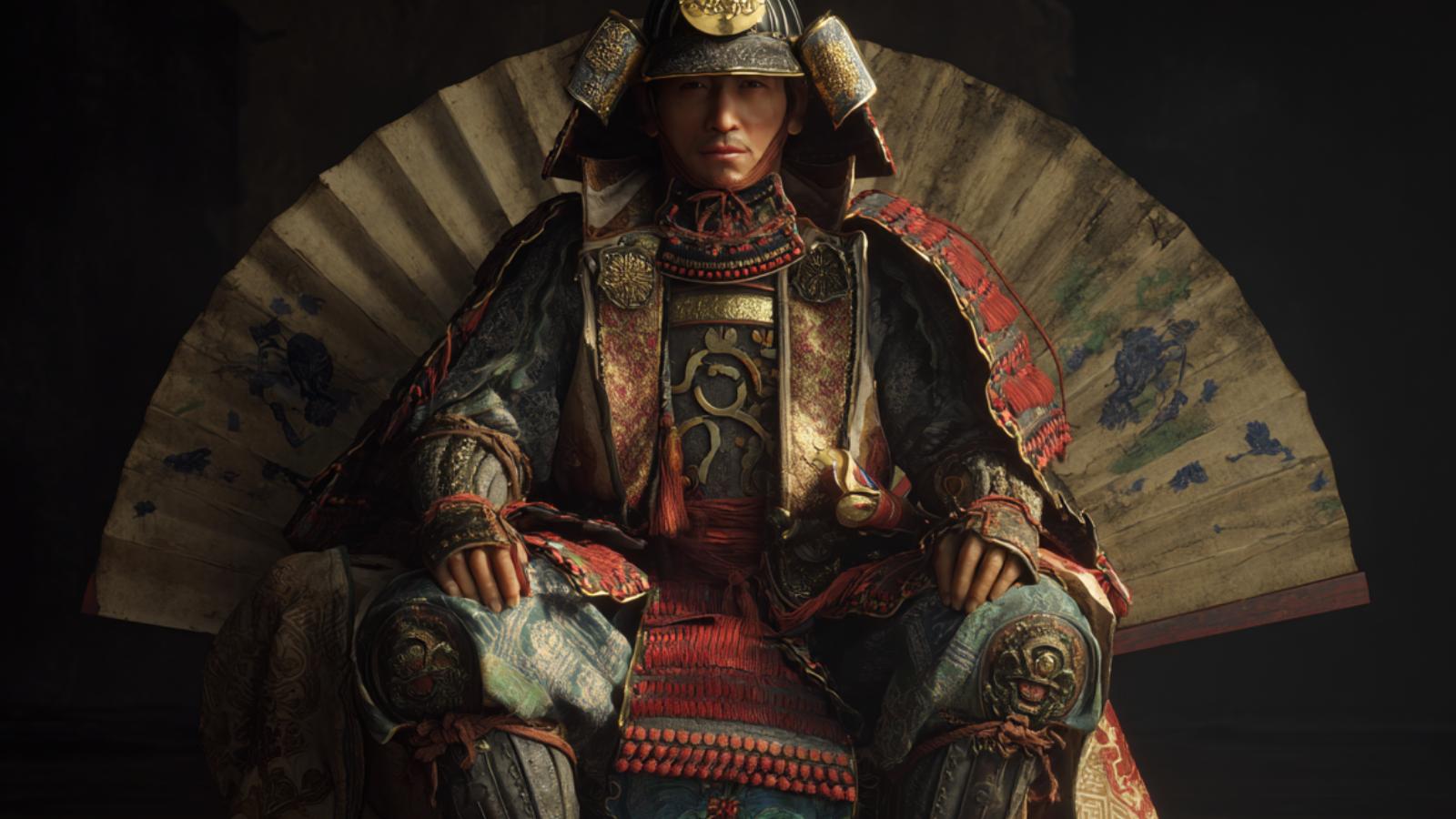
“戦において、智恵は剣よりも鋭く、心は盾よりも強い。”
— In battle, wisdom is sharper than the sword, and the heart is stronger than the shield.

| Lead 統率 |
Valor 武勇 |
Intel 知略 |
Pol 政治 |
|---|---|---|---|
| 75 | 70 | 65 | 60 |
| Name (JP) | 筑紫 広門 |
|---|---|
| Title | Daimyo |
| Clan / Force | Unknown |
| Era | 1550 – 1615 |
| Origin | Chikuzen |
| Key Battles | |
| Arts | Calligraphy |
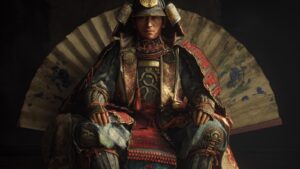
About Tsukushi Hirokado
As a young boy, he was taught the ways of the sword and the significance of loyalty and honor in service to his lord.
His family was part of the local feudal system, which meant he had a front-row seat to the evolving nature of warfare and politics in Japan at the time.
Hirokados to prominence began in his late teens when he participated in several local skirmishes.
His bravery and tactical acumen during these confrontations caught the eye of local lords.
By his early 30s, he had achieved the of Daimyo, commanding considerable respect from both allies and enemies.
He formed strategic alliances with neighboring clans, showcasing his understanding of the political landscape of the Sengoku period.
Throughout his military career, Hirokado fought in various significant .
Known for his defensive tactics and valor in combat, he played a crucial role in maintaining the stability of his domain amidst the chaos of war.
He favored employing guerrilla tactics combined with traditional cavalry charges, often outsmarting his opponents.
His most notable battle came in the late 1590s, where he successfully defended his province against a much larger force, solidifying his reputation as a capable general.
After retiring from military service in 1615, Hirokado turned to the arts, particularly calligraphy, which was a passion of his.
He believed in the importance of culture and education for the future generations of samurai.
Today, he is remembered as a skilled warrior and a thinker, eming the ideals of the samurai code.
His contributions to both military strategy and the arts have left a lasting impact on the of samurai culture in Japan.




comment