
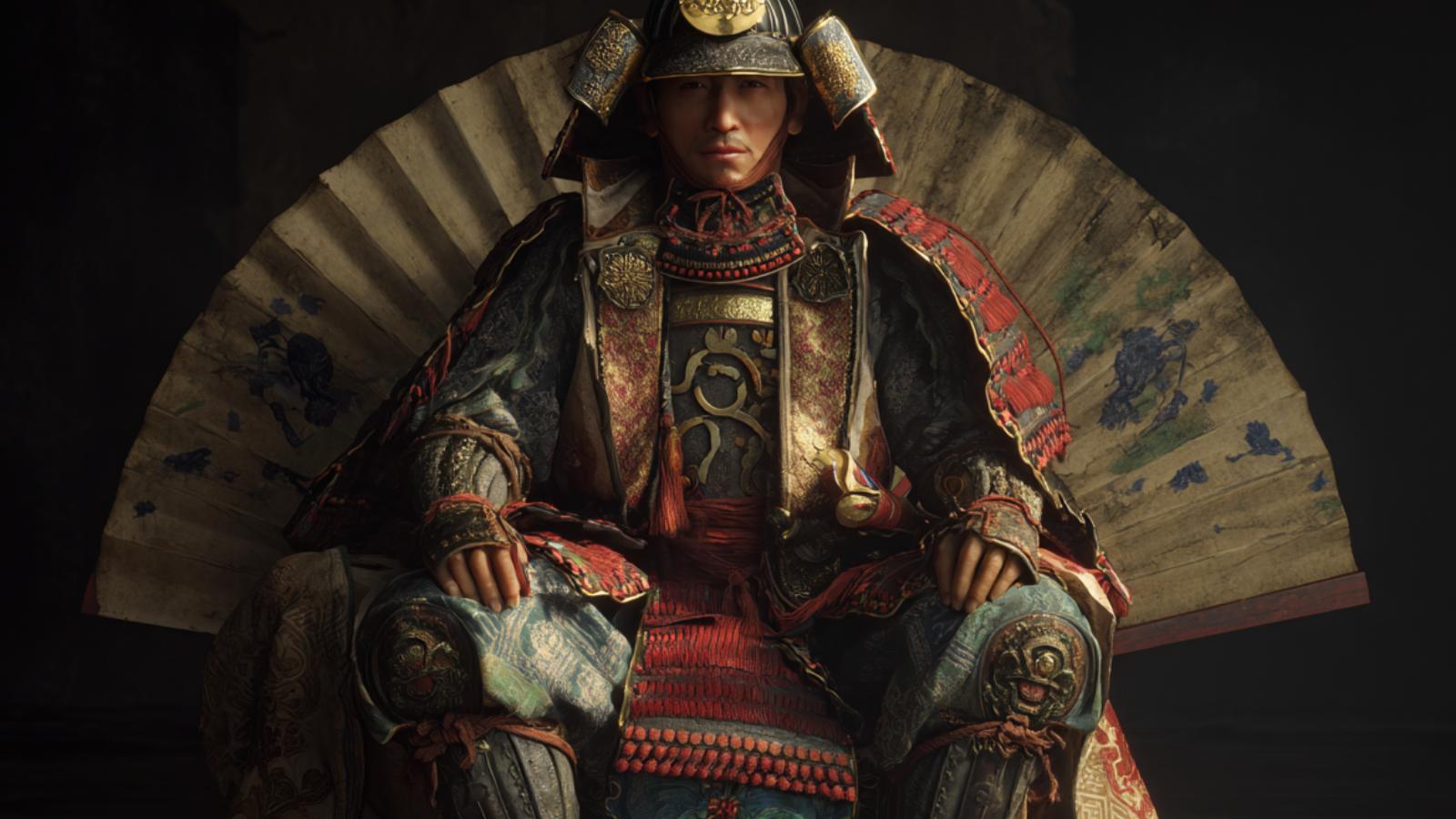
“勝利は死の淵にある。”
— Victory lies on the brink of death.

| Lead 統率 |
Valor 武勇 |
Intel 知略 |
Pol 政治 |
|---|---|---|---|
| 75 | 70 | 78 | 65 |
| Name (JP) | 津軽 為信 |
|---|---|
| Title | Daimyo |
| Clan / Force | Tsugaru Clan |
| Era | 1530 – 1582 |
| Origin | Tsugaru |
| Key Battles | |
| Arts | War Strategy |
About Tsugaru Tamenobu
His was marked by the turbulence of the Sengoku period, where he was instilled with a strong sense of duty and honor.
From a young age, he was trained in the arts of war and governance, which laid the foundation for his future as a daimyo., In the mid-1550s, Tamenobu began to assert his authority over the factionalized clans of Tsugaru.
With skillful diplomacy and military prowess, he managed to unify the regions disparate clans under his banner, solidifying his position as a formidable daimyo.
Tamenobu became known for his ability to balance warfare with governance, ensuring relative peace in Tsugaru while preparing for inevitable conflicts with neighboring daimyos., Tamenobu engaged in several significant to expand his control over neighboring territories, most notably against the Nanbu clan and the Uesugi clan.
His strategies often involved clever tactical movements and the use of guerilla tactics which suited the terrain of Tsugaru.
His forces were effective, though not always victorious, which demonstrated his capability as a leader but also highlighted the chaotic realities of the Sengoku period., Although Tamenobus reign ended with his death in 1582, his persisted through his descendants who continued to rule Tsugaru.
He is remembered not only for his military achievements but also for his contributions to the regions development, promoting agriculture and trade.
His ability to navigate the complex political landscape of his time solidified the Tsugaru domain as a notable power in the north of Japan.









comment