
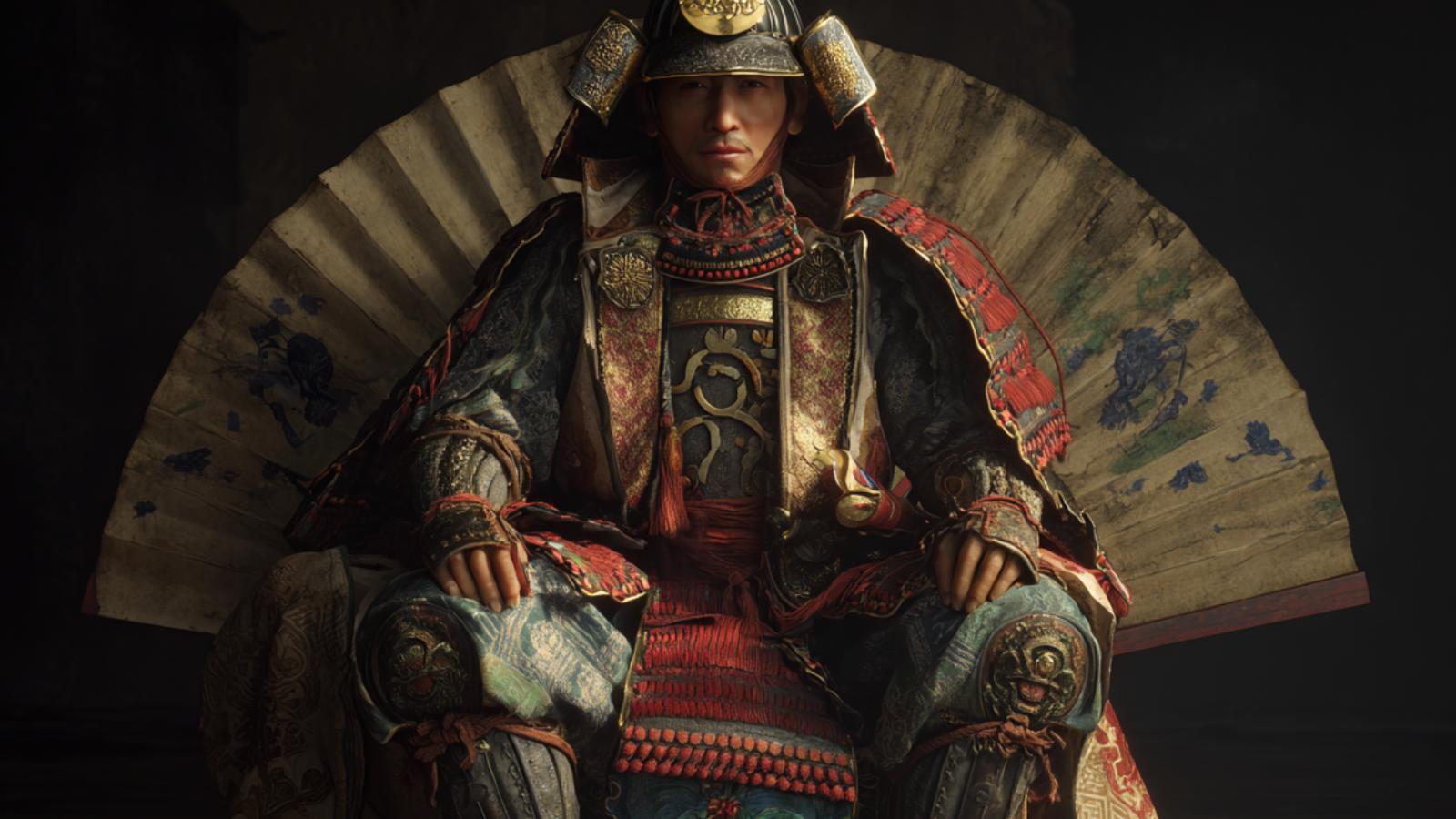
“義にもとづく戦は、勝つか負けるかは問題ではない。”
— A battle based on righteousness does not concern itself with winning or losing.

| Lead 統率 |
Valor 武勇 |
Intel 知略 |
Pol 政治 |
|---|---|---|---|
| 72 | 68 | 75 | 65 |
| Name (JP) | 遠山 康光 |
|---|---|
| Title | Daimyo |
| Clan / Force | Unknown |
| Era | 1562 – 1615 |
| Origin | Echigo |
| Key Battles | |
| Arts | Calligraphy |
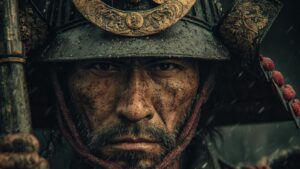
About Toyama Yasumitsu
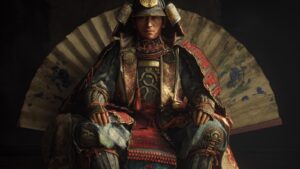
Coming from a shugo lineage, he was trained in the arts of warfare from a young age, and his upbringing under the shadow of great lords shaped his ambitions and skills.
His early education focused not only on military tactics but also on the cultural practices of calligraphy, which reflected his belief in the importance of both martial and artistic accomplishments.
As Japan transitioned into the late Sengoku period, Yasumitsu began to make a name for himself by aligning with powerful allies, tactically maneuvering through shifting loyalties.
He participated in several key, where his leadership began to shine.
Gaining the trust of his peers, he ascended to the rank of daimyo, governing a territory that strategically positioned him among the influential clans of the time.
His ability to balance warfare with governance demonstrated his capabilities as a leader, earning respect among his contemporaries.
Yasumitsus military involvement included significant skirmishes against rival clans such as the Uesugi and Takeda.
Despite facing formidable opponents, his strategic intellect often allowed him to secure victories, not solely through brute force but also by outmaneuvering rivals.
Legends among his troops suggest that during a crucial battle in 1584, Yasumitsu managed to turn the tide by exploiting the terrain to his advantage, demonstrating a knack for situational awareness that would come to define his military style.
His valor in combat inspired loyalty, yet he was not invulnerable, facing setbacks that shaped his later strategic decisions.
Toyama Yasumitsu passed away in 1615, leaving behind a intertwined with the transformative period of Japans history.
His belief in righteousness over mere victory resonated with the samurai ethos, influencing future generations of warriors.
Though not a towering figure like some of his contemporaries, his contributions to the political landscape and the respect he commanded among those who served under him ensure that his story remains a relevant chapter in the annals of Japanese history.
comment