
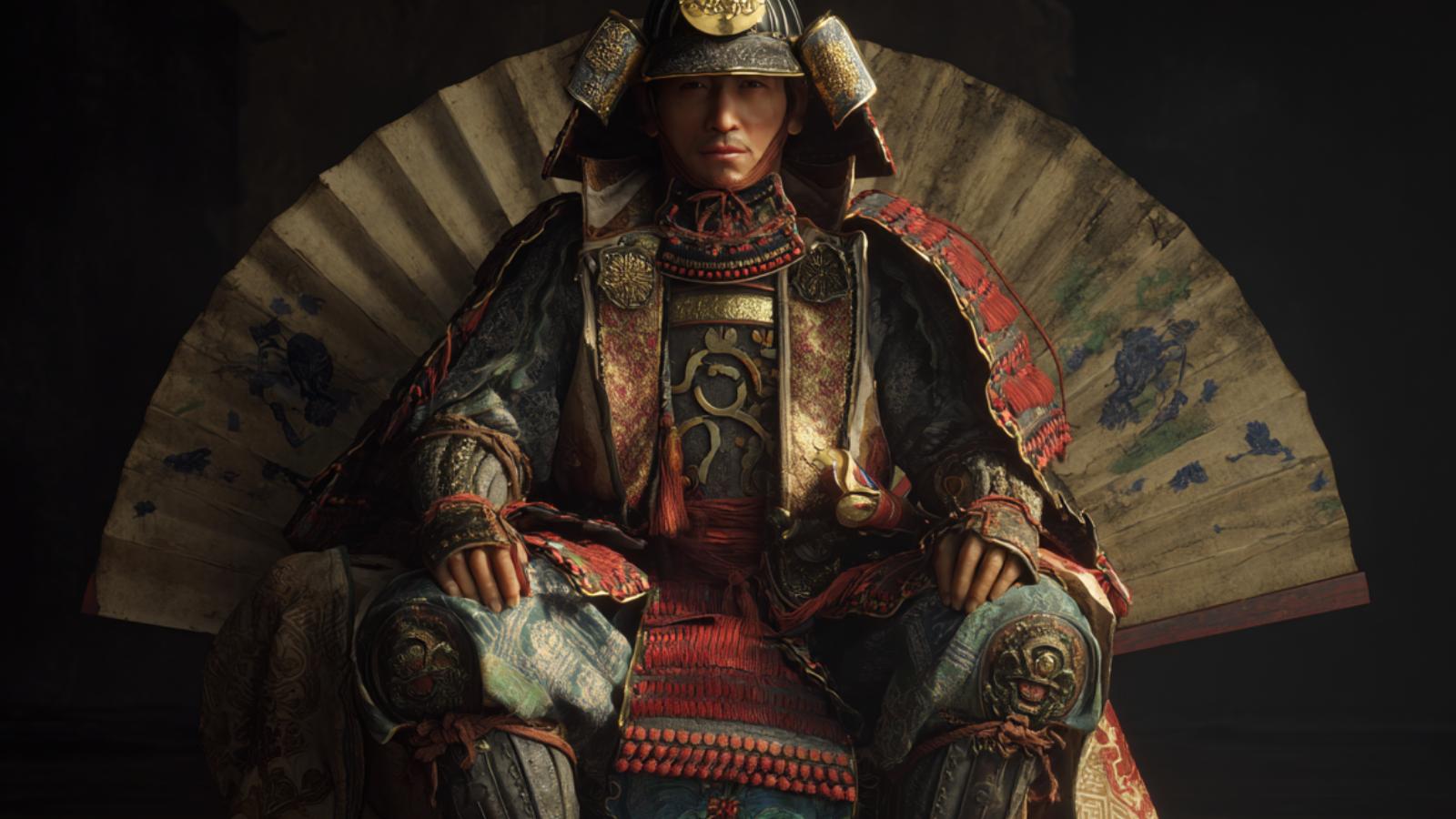
“武士は死なず、ただ変わるだけだ。”
— A warrior does not die; he merely transforms.

| Lead 統率 |
Valor 武勇 |
Intel 知略 |
Pol 政治 |
|---|---|---|---|
| 70 | 75 | 68 | 55 |
| Name (JP) | 問田大方 |
|---|---|
| Title | Daimyo |
| Clan / Force | Unknown |
| Era | 1550 – 1615 |
| Origin | Ise |
| Key Battles | |
| Arts | Martial Arts |
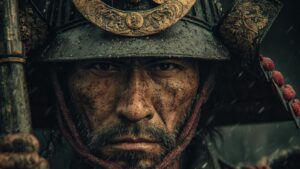
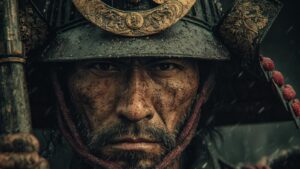
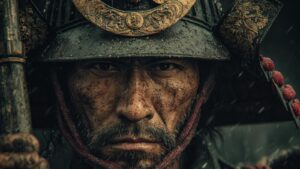
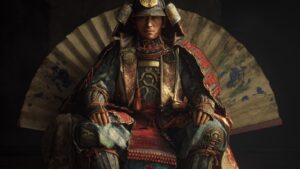
About Tonda no Okata
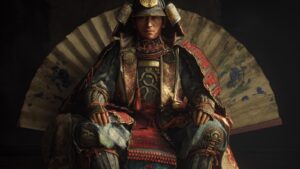
Coming from a family of samurai, he was immersed in the warrior culture from an early age.
His upbringing was marked by the teachings of bushido and the importance of honor.
His father was a minor retainer serving a local lord, and from him, Tonda learned the values of loyalty and courage, which would guide him throughout his life.
By his late teens, Tonda was already a recognized figure within the samurai circles of Ise.
His reputation grew as he proved his worth in skirmishes against rival clans.
Tondas tactical acumen and bravery during small engagements led to his promotion within the ranks.
At the age of 30, he was appointed as a daimyo, gaining control over several territories.
His governance style was marked by a combination of strict discipline and fair treatment of his subjects, earning him respect among his peers as well as the common folk.
Tonda was involved in numerous throughout his career, especially during the campaigns escalating towards the unification of Japan.
His most notable engagement was at the Battle of Sekigahara in 1600, where he fought valiantly, displaying both valor and strategic insight.
Despite his forces being outnumbered, Tondas determination and battlefield tactics allowed him to hold his ground until a strategic retrenchment was ordered.
Although ultimately a failed campaign for many, Tondas leadership was noted by his allies as crucial in maintaining morale and minimizing losses during the chaos of the battle.
After his death in 1615, Tonda no Okatas lived on through tales of his martial prowess and his principled leadership.
He became a symbol of the capable samurai of his time—men who balanced combat skills with a sense of duty and honor.
His family continued to uphold his values in the following generations, ensuring that Tonda no Okata would not be forgotten in the annals of samurai history.
comment