
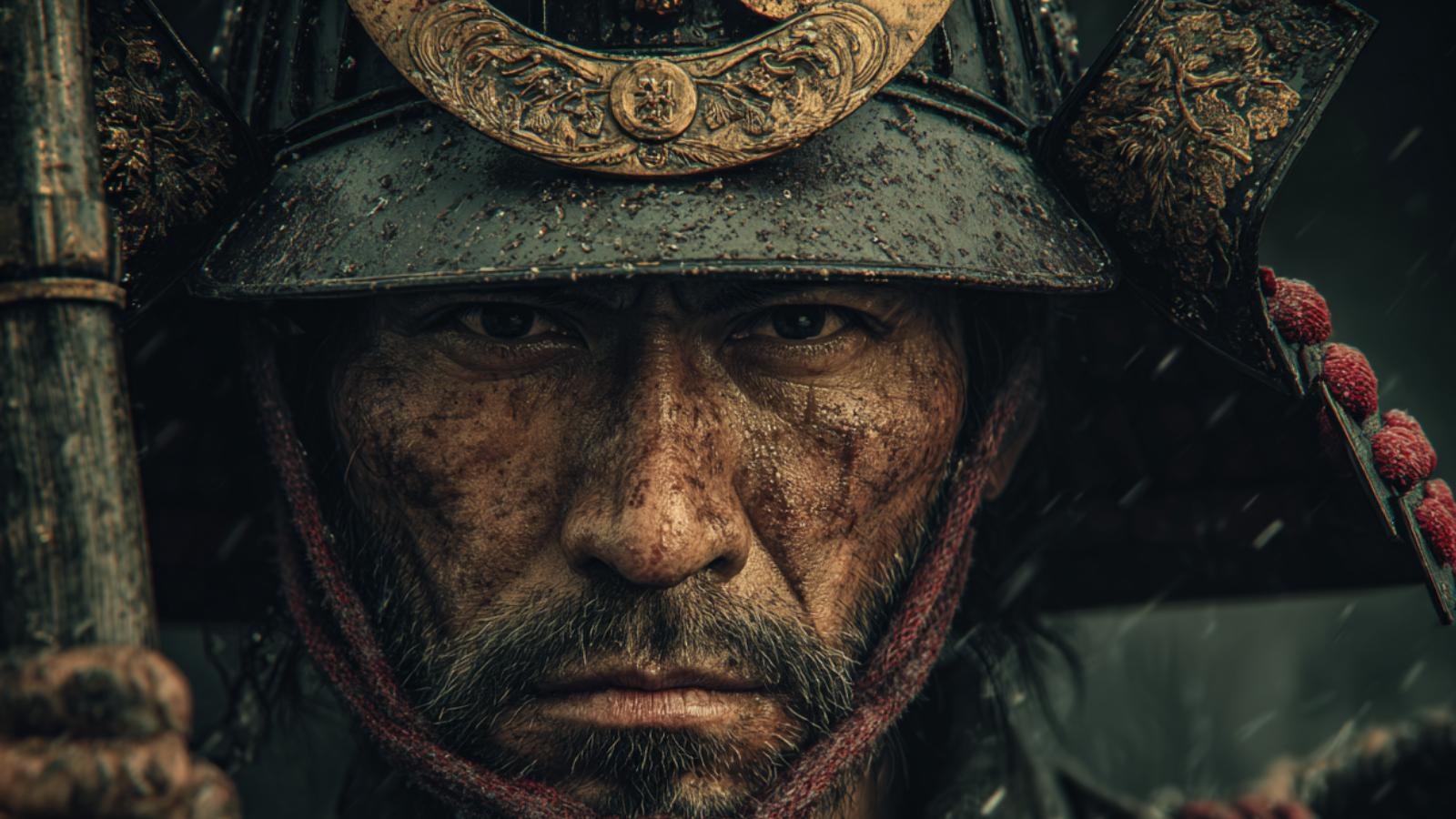
“人の道を守り続けよ。”
— Continue to uphold the way of humanity.

| Lead 統率 |
Valor 武勇 |
Intel 知略 |
Pol 政治 |
|---|---|---|---|
| 78 | 62 | 85 | 90 |
| Name (JP) | 徳川 吉宗 |
|---|---|
| Title | Shōgun |
| Clan / Force | Tokugawa Shogunate |
| Era | 1684 – 1751 |
| Origin | Mikawa |
| Key Battles | |
| Arts | Poetry |
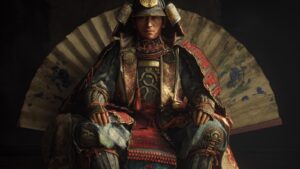
About Tokugawa Yoshimune
Raised in the historical and political environment of Edo, he was educated in the samurai traditions and the philosophies of governance.
Following his mother’s lineage, he also had an appreciation for culture and the arts, which would influence his policies later on.
After the death of his predecessor, Yoshimune rose to power in 1716.
He faced many challenges, including a deeply entrenched feudal system and economic difficulties.
However, his strategic thinking and intelligence allowed him to implement significant reforms, including the Kyoho Reforms aimed at stabilizing the economy.
His leadership style was characterized by a combination of strict discipline and a deep understanding of the needs of his people.
While not known for his battlefield prowess like some of his predecessors, Yoshimunes era was marked by relative peace, allowing him to focus on administrative efficiency rather than military conquests.
He did, however, have to handle various uprisings and conflicts that tested his leadership and strategy.
His ability to navigate these turbulent waters solidified his reputation as a capable leader, even if he was not directly involved in major .
Yoshimunes is notable for his contributions to governance, culture, and the promotion of agricultural reform.
His emphasis on the promotion of Confucian values and loyalty toward the shogunate helped shape the Tokugawa era.
His reforms not only impacted the economic landscape of Japan but also set a precedent for future leadership.
Even after his death in 1751, the effects of his reign continued to influence the Tokugawa shogunate and Japan’s cultural evolution.




comment