

“犬は人の友なり。”
— Dogs are friends of humans.

| Lead 統率 |
Valor 武勇 |
Intel 知略 |
Pol 政治 |
|---|---|---|---|
| 70 | 50 | 80 | 90 |
| Name (JP) | 徳川 綱吉 |
|---|---|
| Title | Shogun |
| Clan / Force | Tokugawa Clan |
| Era | 1648 – 1709 |
| Origin | Edo |
| Key Battles | |
| Arts | Literature |
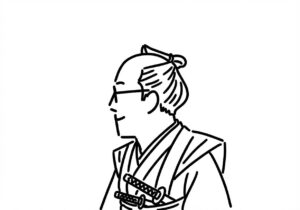
About Tokugawa Tsunayoshi
Raised in a period of relative peace following the unification of Japan under the Tokugawa shogunate, Tsunayoshi’s upbringing was influenced by samurai values and the burgeoning culture of the Edo period.
Ascending to shogunate power in 1680 after the death of his brother, Tsunayoshi faced the challenges of governing a unified Japan.
Unlike his predecessors, he implemented laws focused not only on samurai governance but also on moral and ethical standards.
His reign is often characterized by a peculiar emphasis on the welfare of animals, leading to laws that prohibited the killing of dogs and other pets.
This unique approach, known as the Shōen Law, aimed to cultivate compassion and social harmony amongst his subjects.
Though controversial, it reflected Tsunayoshis novel vision of governance.
Tsunayoshis rule was marked by minimal military engagement due to the peaceful climate of the Edo period.
However, his governance faced internal challenges with samurai clans seeking power.
Tsunayoshis proactive diplomacy and strategic intellect allowed him to navigate these threats without resorting to open conflict, showcasing his capabilities as a leader even in times of stability.
Tokugawa Tsunayoshis is mixed; while he is remembered for his progressive animal protection policies and cultural patronage, some see his reign as a deviation from the militaristic roots of the samurai culture.
He died in 1709, leaving behind a complex intertwined with both compassion and controversy, influencing the cultural landscape of Japan for generations to come.








comment