
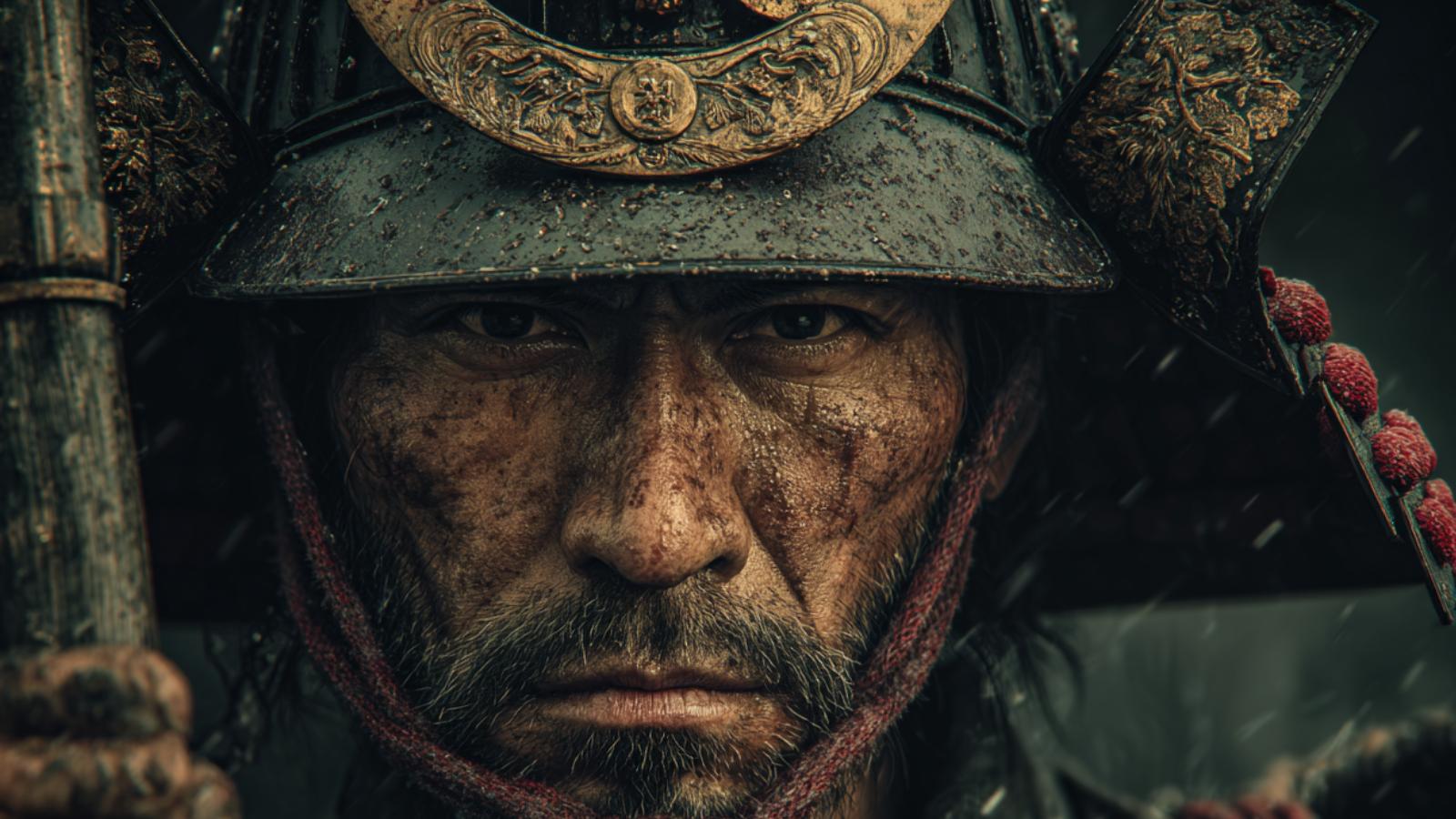
“時を待て.”
— Wait for the right time.

| Lead 統率 |
Valor 武勇 |
Intel 知略 |
Pol 政治 |
|---|---|---|---|
| 70 | 50 | 65 | 80 |
| Name (JP) | 徳川 家綱 |
|---|---|
| Title | Shōgun |
| Clan / Force | Tokugawa Clan |
| Era | 1641 – 1684 |
| Origin | Musashi |
| Key Battles | |
| Arts | Noh Theatre |
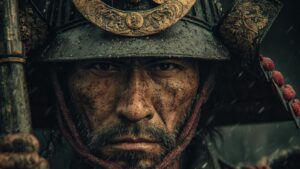
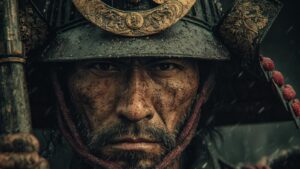
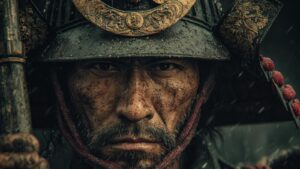
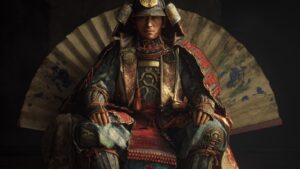
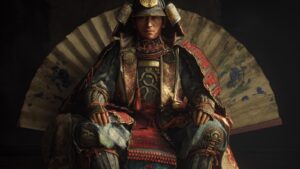
About Tokugawa Ietsuna
He succeeded his father as shōgun at a young age after Iemitsus death in 1651.
His ascension was marked by challenges as he inherited a peaceful domain but also had to navigate complex court politics.
Ietsunas shogunate is often noted for its consolidation of power and continued peace, benefitting from the stable foundations laid by his predecessors.
Though he was relatively young and inexperienced, his capacity for governance was evident as he relied on capable advisors and maintained the balance of power within the Tokugawa hierarchy.
His reign saw a flourishing of the arts, particularly Noh theatre, as cultural pursuits thrived unencumbered by warfare.
Notably, Ietsunas time did not involve significant military conflicts, though maintaining the peace often required vigilance against potential uprisings and the actions of powerful daimyōs.
He focused on internal stability and nurturing the economy rather than expansion or conquest, which was a hallmark of earlier shoguns reigns.
Tokugawa Ietsuna left a characterized by cultural development and political stability rather than military prowess.
His leadership, although overshadowed by that of his father and later shōguns, was crucial in ensuring the Tokugawa shogunate lasted for over two centuries.
His approach to governance is often cited in discussions about effective leadership in times of peace.
comment