
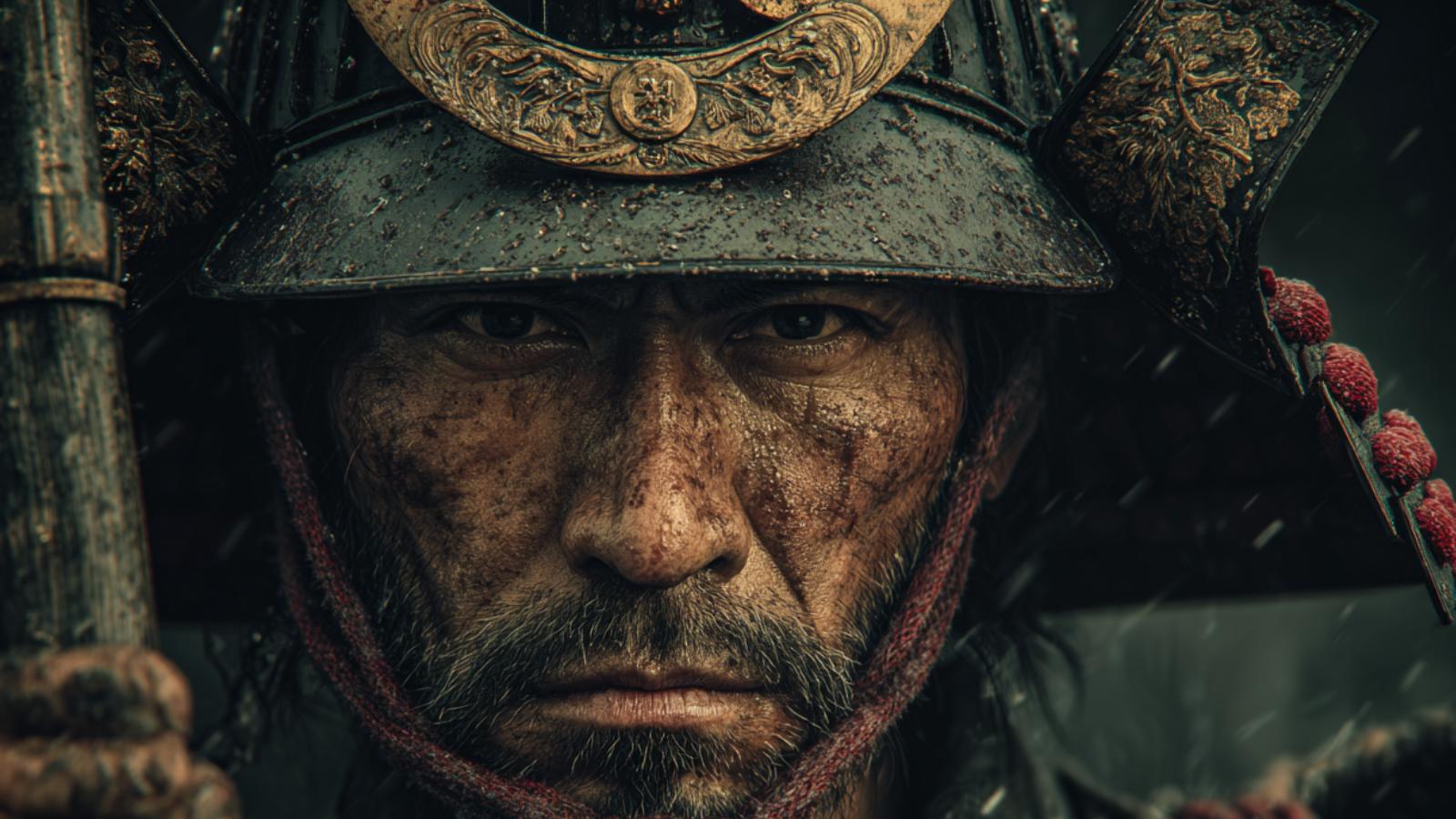
“堅実さは、国家を支える大黒柱である。”
— Steadiness is the great pillar that supports the nation.

| Lead 統率 |
Valor 武勇 |
Intel 知略 |
Pol 政治 |
|---|---|---|---|
| 60 | 40 | 70 | 85 |
| Name (JP) | 徳川 家重 |
|---|---|
| Title | Shōgun |
| Clan / Force | Tokugawa Shogunate |
| Era | 1716 – 1762 |
| Origin | Edo |
| Key Battles | |
| Arts | Noh Theatre |
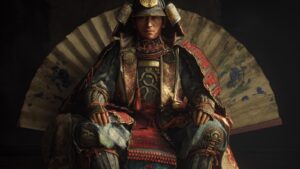
About Tokugawa Ieshige
Ieshige grew up in Edo, the heart of the shogunate, receiving an education befitting a future leader, though he faced the challenges of living in the shadow of his famous predecessors.
Ieshige ascended to the position of shōgun in 1745 following the death of his brother, Ietsugu.
Despite being less militarily inclined than previous shōgun, Ieshige focused on maintaining peace and political stability, which was central to the Tokugawa ethos.
His rule emphasized the importance of governance, leading to substantial developments in administration and the economy.
Ieshiges era is noted for the absence of significant military conflicts.
His leadership was characterized more by diplomacy and shrewd governance rather than by personal valor in .
Nonetheless, he managed to uphold the integrity of the shogunate and foster prosperity among the samurai and peasant classes.
Tokugawa Ieshige is remembered as a shōgun who valued stability and governance over military strength.
His reign paved the way for future developments within the Tokugawa shogunate, and he left behind a that emphasized the importance of effective leadership in maintaining peace across Japan.




comment