
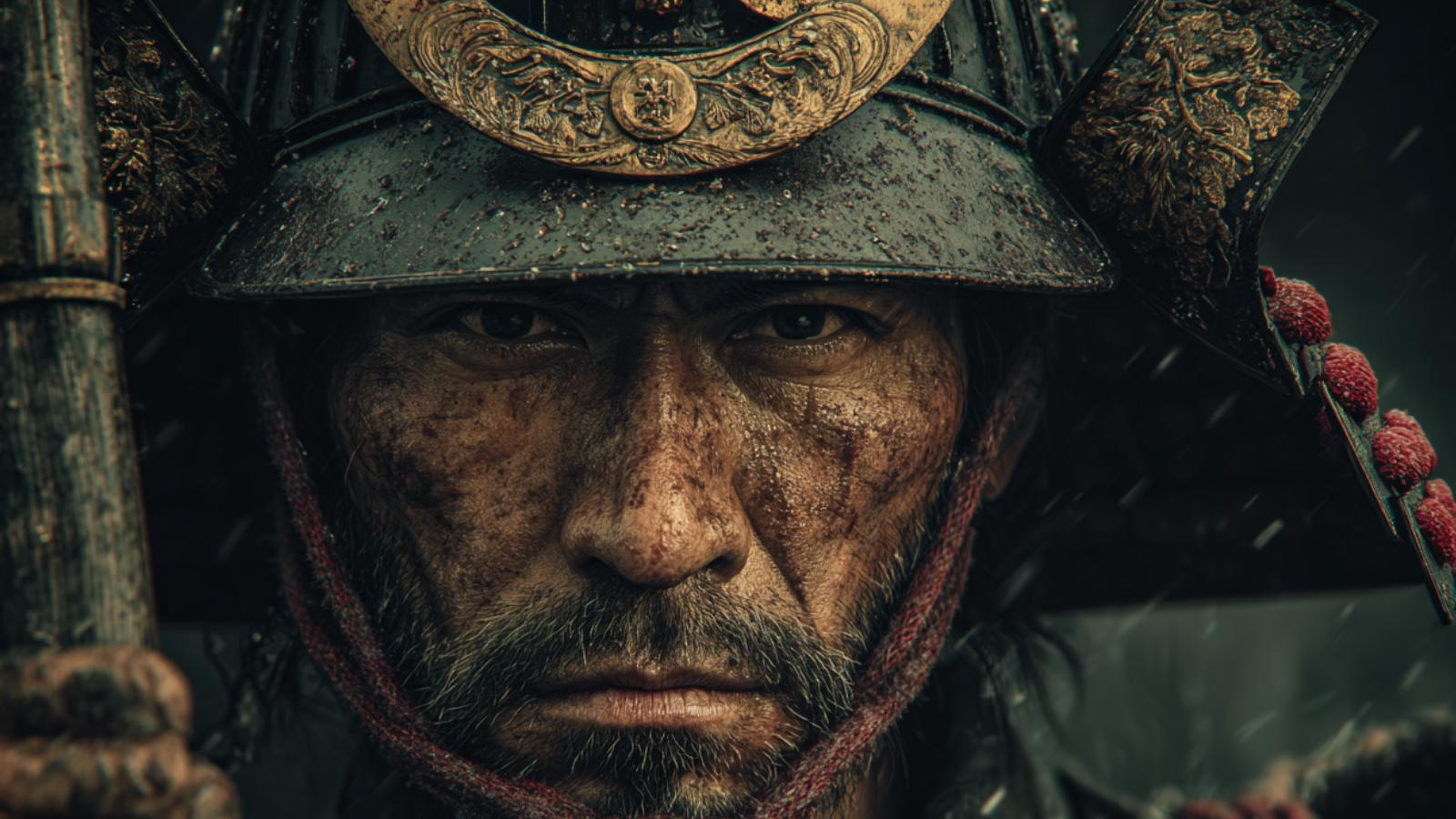
“政は民のものなり。”
— The government belongs to the people.

| Lead 統率 |
Valor 武勇 |
Intel 知略 |
Pol 政治 |
|---|---|---|---|
| 75 | 60 | 82 | 85 |
| Name (JP) | 徳川 家宣 |
|---|---|
| Title | Shōgun |
| Clan / Force | Tokugawa Clan |
| Era | 1662 – 1712 |
| Origin | Mikawa |
| Key Battles | |
| Arts | Noh Theatre |
About Tokugawa Ienobu
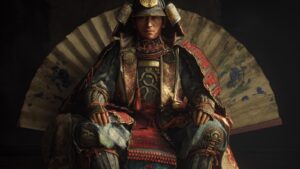
Growing up amidst the political tensions of the Edo period, Ienobu was educated in the traditional samurai virtues as well as in administrative duties, preparing him for a future role as a leader.
In 1709, following the death of his brother, Ienobu ascended to the position of shōgun.
His reign marked a continued commitment to the policies of stability and control, maintaining peace across Japan after years of warfare.
He implemented various administrative reforms aimed at improving governance, which included increasing agricultural productivity and regulating trade.
While Ienobu is not remembered for significant military exploits, he did maintain the integrity of the Tokugawa power through diplomatic means, avoiding major conflicts and focusing on internal stability.
His leadership style was characterized by prudence rather than aggression, prioritizing diplomacy over warfare.
Tokugawa Ienobus contributions to Japanese culture and politics solidified his reputation as a capable leader, though he did not reach the legendary status of some of his predecessors.
His promotion of Noh theatre and patronage of the arts signified a flourishing of culture during his rule.
Ienobus policies established a foundation for political stability that would endure beyond his death in 1712, influencing future generations.




comment