
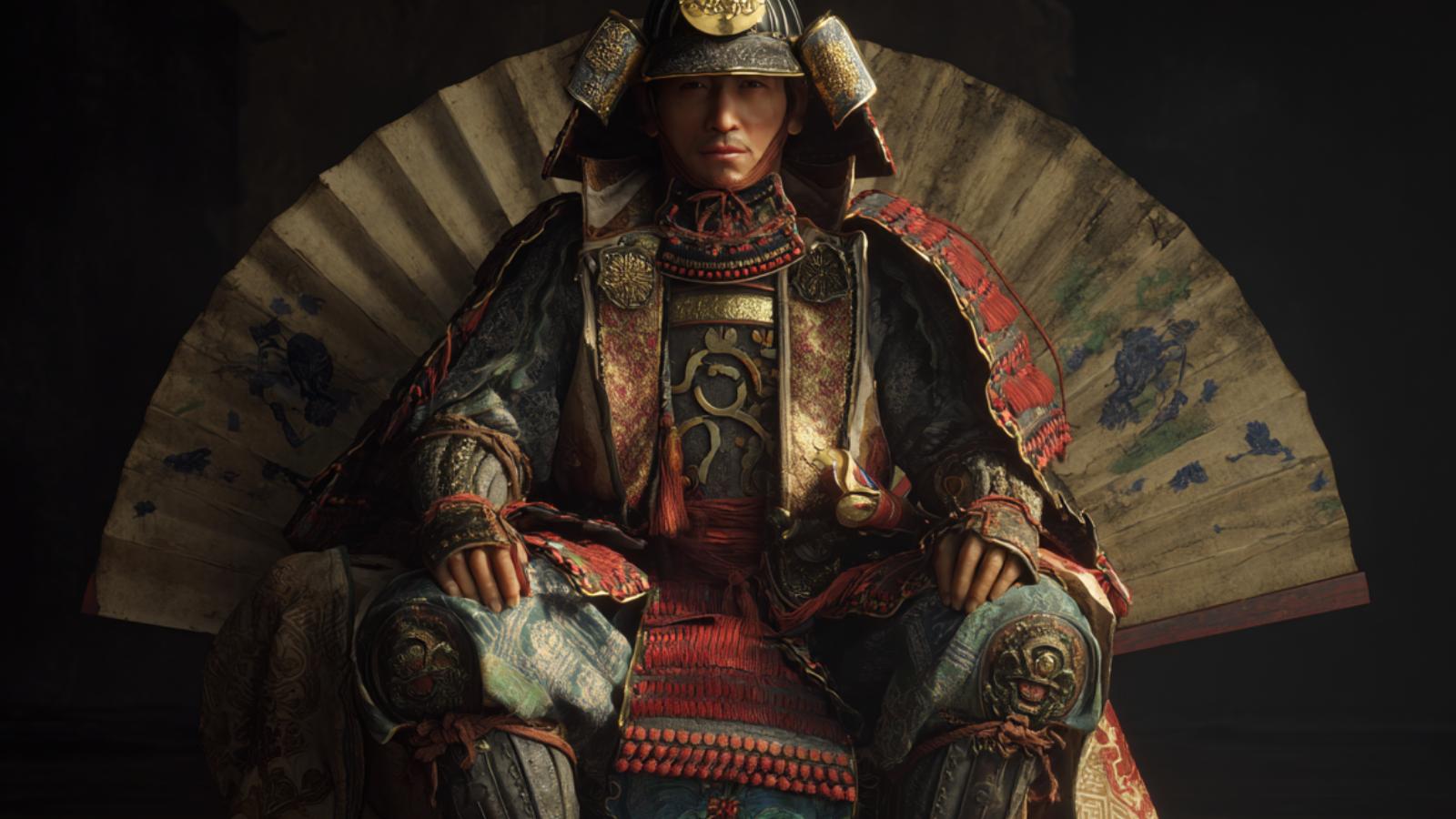
“心のままに生きよ。”
— Live true to your heart.

| Lead 統率 |
Valor 武勇 |
Intel 知略 |
Pol 政治 |
|---|---|---|---|
| 75 | 70 | 80 | 65 |
| Name (JP) | 戸川 秀安 |
|---|---|
| Title | Daimyo |
| Clan / Force | Unknown |
| Era | 1560 – 1625 |
| Origin | Shinano |
| Key Battles | |
| Arts | Poetry |
About Togawa Hideyasu
Raised in a samurai family, Hideyasu was exposed to the intricacies of warfare and politics from a young age.
His lineage as a Shugo, or military governor, provided him with both status and the foundational training necessary for a future leader.
His formative years were marked by training in martial arts and strategy, and he demonstrated a keen intellect that would serve him throughout his career.
Hideyasus to power began amid the tumultuous conflicts of the Sengoku period.
He served under various warlords, honing his skills in governance and military tactics.
His reputation as a capable general grew, particularly after his successful strategies in several key that showcased his leadership.
In time, he established himself as a significant daimyo, commanding respect from both allies and enemies alike.
His understanding of the political landscape allowed him to navigate the complex allegiances of the time, leading to his consolidation of territory and influence in Shinano province.
Throughout his military career, Hideyasu fought in numerous, including engagements against rival clans such as the Takeda and Uesugi.
His tactical innovations often turned the tide in his favor, and he was known for his ability to inspire and rally his troops.
He also delved into psychological warfare, using misinformation to disorient his opponents.
While not the most renowned warrior on the battlefield, his strategic mind and ability to adapt to the changing nature of warfare made him a formidable force during his time.
His most notable victory came during the Battle of Kawanakajima, where his strategies led to significant territorial gains, solidifying his status among the leading daimyos of the region.
Togawa Hideyasus is remembered as one of a wise and shrewd leader who contributed to the larger efforts of unifying Japan.
After the end of the Sengoku period, he transitioned from a military leader to a statesman, focusing on governance and the arts.
Known for promoting cultural endeavors, Hideyasu also had a deep appreciation for poetry, encouraging the development of the arts within his domain.
His belief in living true to one’s heart resonated through his actions, and he left behind a reputation of integrity, strategy, and enlightened leadership that would guide future generations of samurai.









comment