
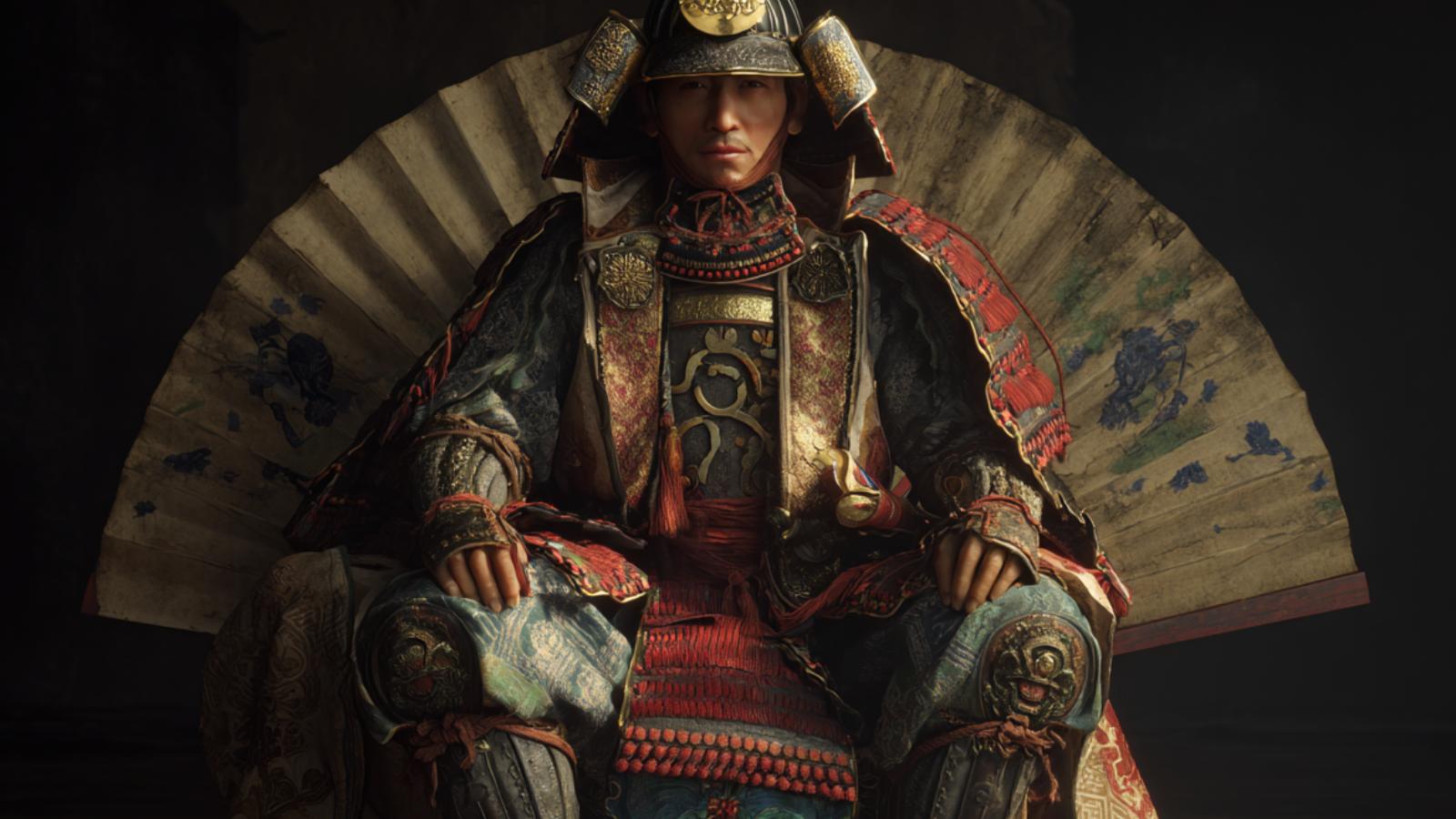
“武士は、常に先を見据えなければならない。”
— A warrior must always look ahead.

| Lead 統率 |
Valor 武勇 |
Intel 知略 |
Pol 政治 |
|---|---|---|---|
| 78 | 70 | 75 | 68 |
| Name (JP) | 戸田 勝成 |
|---|---|
| Title | Daimyo |
| Clan / Force | Tokugawa Clan |
| Era | 1540 – 1617 |
| Origin | Mutsu |
| Key Battles | |
| Arts | Ink Painting |
About Toda Katsushige
He came from a samurai lineage, receiving a traditional education in martial arts and strategy that foreshadowed his future as a significant player in the tumultuous era of feudal Japan.
His family had established a respectable stature within the samurai class, adhering to the bushido principles that governed their conduct and lifestyle.
Katsushiges began under the auspices of the Date clan.
He quickly gained recognition for his bravery and tactical acumen in several skirmishes.
His ability to rally troops and adapt to the ever-changing battlefield earned him a solid reputation among his peers.
By the time he was named a Daimyo, he had established a loyal following and demonstrated the knack for effective governance, enhancing the prosperity of his domain.
He was pivotal in consolidating power in the region, leveraging both military force and diplomatic efforts to stabilize his rule.
Throughout his career, Katsushige participated in numerous, defending his region against rival clans.
His notable engagements included the against the Ashina clan and skirmishes in the region that tested his resourcefulness and combat skill.
Though he was not the most renowned warrior of his time, his bravery and leadership in the field were instrumental in securing victories for his forces, helping to shape the landscape of Mutsu province during a critical time in Japanese history.
Katsushiges extends beyond the he fought; he was also a patron of the arts, particularly ink painting, which flourished under his influence.
His commitment to the samurai values and his contributions to the development of the region have immortalized him as a respectable figure in Japanese history.
The artisans and warriors he inspired continue to be celebrated for their contributions to the culture and heritage of Japan.








comment