
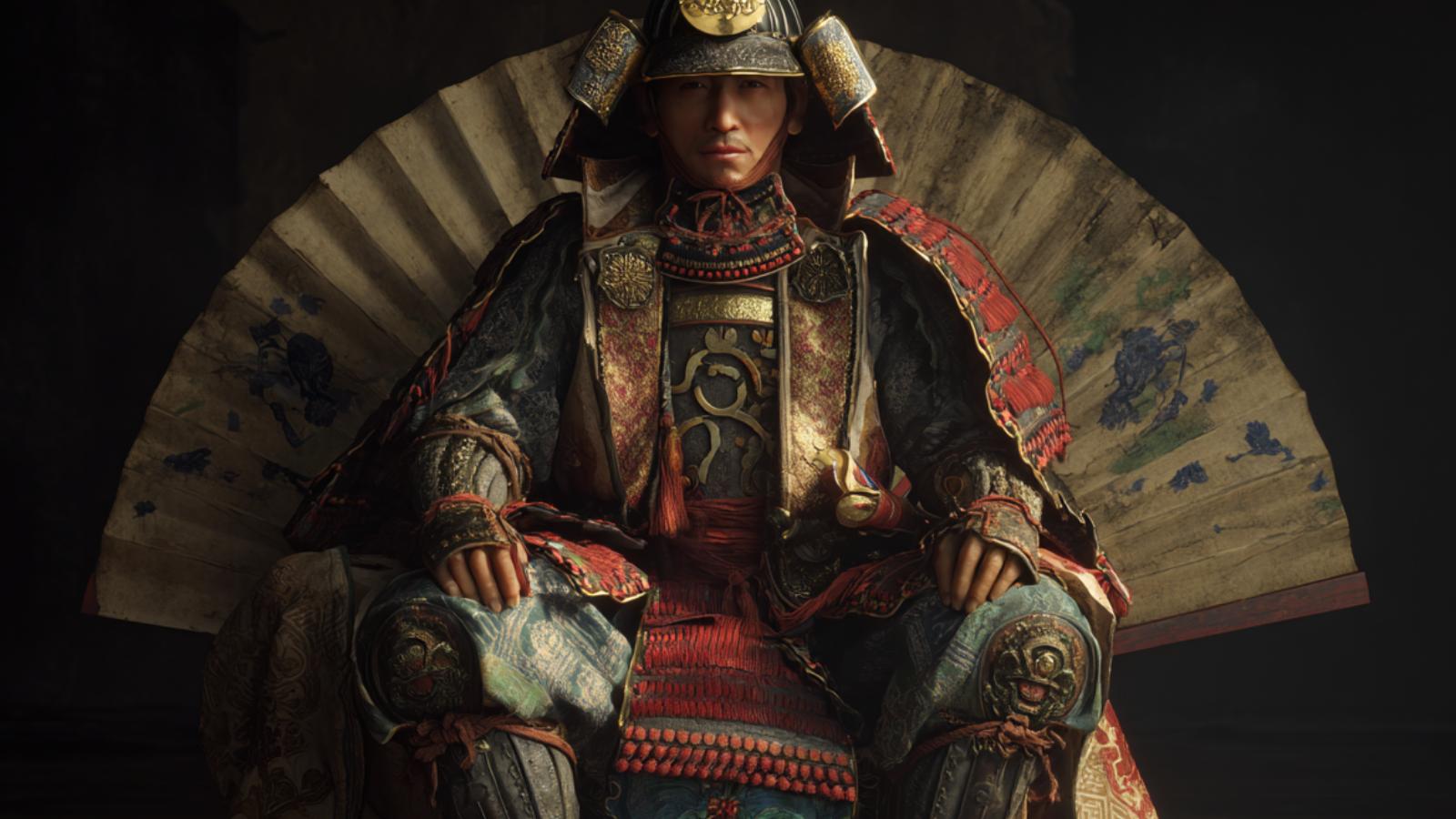
“武士の誇りは、戦なり。”
— The pride of a samurai lies in his battle.

| Lead 統率 |
Valor 武勇 |
Intel 知略 |
Pol 政治 |
|---|---|---|---|
| 73 | 65 | 78 | 70 |
| Name (JP) | 寺沢 広高 |
|---|---|
| Title | Daimyo |
| Clan / Force | Tokugawa Clan |
| Era | 1555 – 1610 |
| Origin | Tōhoku |
| Key Battles | |
| Arts | Noh Theater |
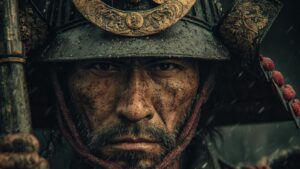
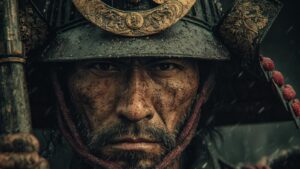
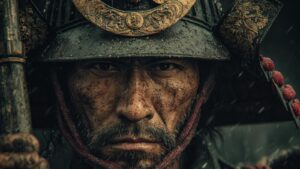
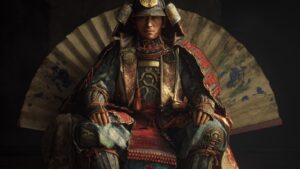
About Terazawa Hirotaka
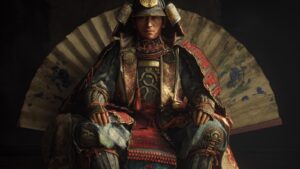
Growing up in an era of turmoil and constant warfare, he was trained in martial arts and strategy from a young age.
His fathers commitment to the samurai code deeply influenced Hirotakas values and aspirations.
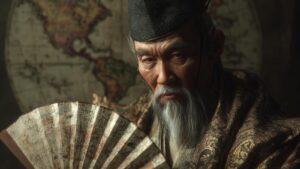
He learned the techniques of Noh theater, which not only enriched his cultural understanding but also aided in his diplomatic engagements later in life.
Hirotaka began his to power during the late 16th century, aligning himself with prominent clans and showcasing his abilities as a capable general.
He quickly gained recognition for his effective leadership during skirmishes and larger, making strategic alliances that furthered his influence.
While he was not one of the most legendary figures of his time, his tactical intelligence and ability to govern earned him respect among his peers, eventually leading him to the of Daimyo.
Throughout his career, Hirotaka participated in numerous during the chaotic Sengoku Period.
His knowledge of terrain and guerrilla tactics gained him victories against rival clans, solidifying his position in the Tōhoku region.
Despite facing formidable opponents, he was known for his valor in combat, exemplifying the spirit of the samurai.
Terazawa Hirotakas is marked by his contributions to the stability of the Tōhoku region and his cultural pursuits.
He is remembered as a competent leader who balanced the art of war with the sophistication of culture.
Although overshadowed by more prominent figures of the era, his service to his clan and adherence to the samurai code remain a point of admiration in historical recounts.
comment