
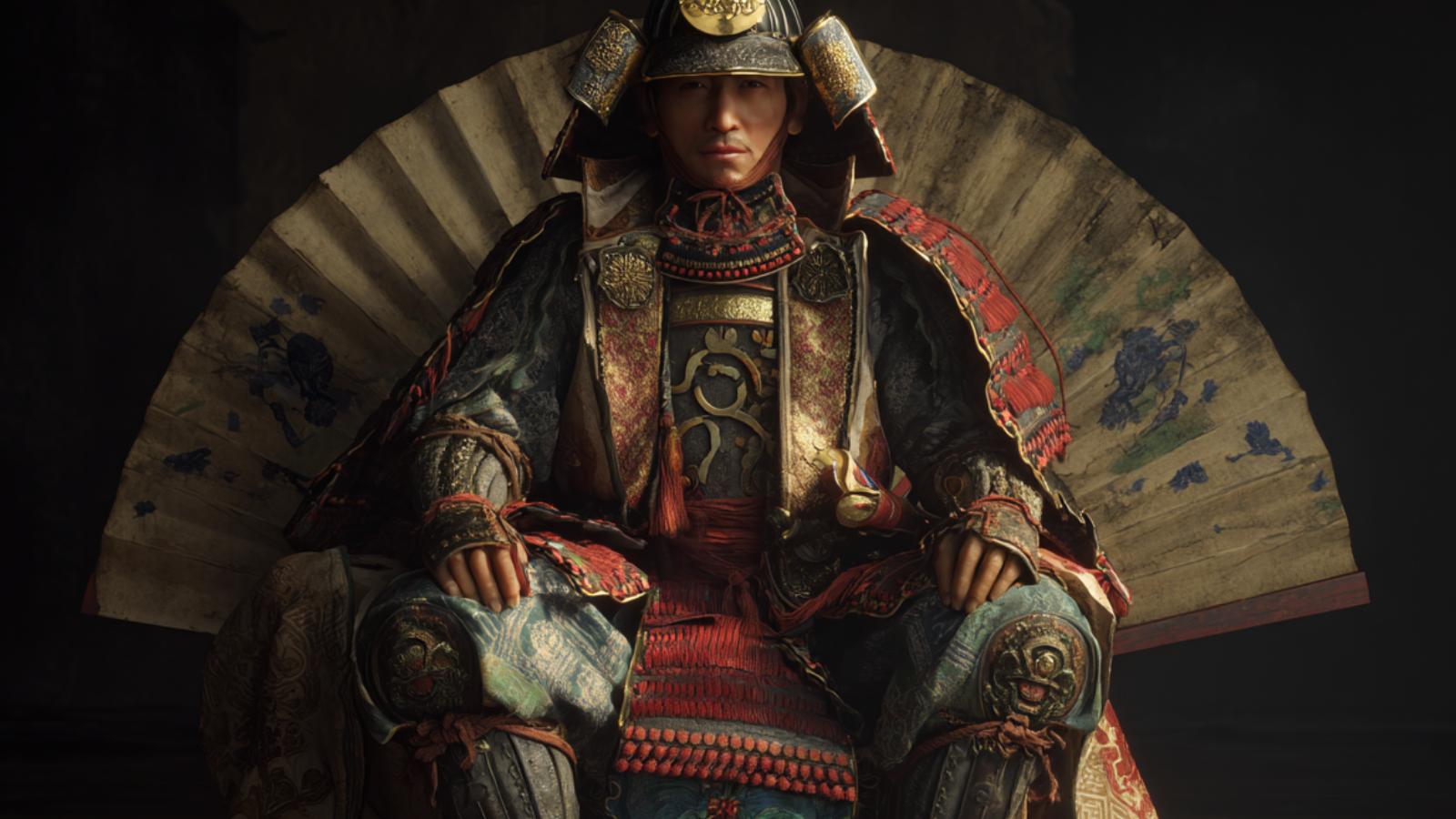
“一歩一歩、勝利への道を進む。”
— Step by step, we advance on the road to victory.

| Lead 統率 |
Valor 武勇 |
Intel 知略 |
Pol 政治 |
|---|---|---|---|
| 70 | 60 | 75 | 68 |
| Name (JP) | 楯岡 満茂 |
|---|---|
| Title | Daimyo |
| Clan / Force | Unknown |
| Era | 1533 – 1608 |
| Origin | Mutsu |
| Key Battles | |
| Arts | Noh Theatre |
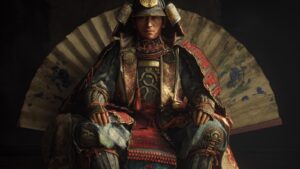
About Tateoka Mitsushige
His was shaped by the turbulent political environment of the Sengoku period, where samurai loyalty was tested in conflicts among rival factions.
Raised in a culture that valued both martial prowess and administrative skills, Mitsushige was groomed from a young age to be a leader and a warrior.
His education included not just the arts of war, but also the cultural richness of Noh theatre, which he would later patronize in his own domain.
As the field of battle expanded, Mitsushige began his career as a retainer to the powerful clan in Mutsu.
His first significant recognition came during skirmishes against rival clans, where he demonstrated tactical skills that earned him a promotion to a higher rank.
By aligning himself with other warlords and maneuvering political alliances, Mitsushige quickly rose in status.
By the 1570s, he had consolidated enough power and influence to declare himself a daimyo of his region, establishing his own domain within Mutsu as peace began to settle in the region amidst the encroaching forces of larger clans.
Mitsushige participated in several notable, including the defense of his province against incursions from rival clans seeking dominance over Mutsu.
His strategic acumen allowed him to lead his forces effectively, securing several key victories despite being outnumbered.
While he was not consistently on the front lines, his ability to inspire loyalty among his men and make crucial decisions during defined his military reputation.
His most notable achievement was the defense of his castle during the Battle of Sekigahara, where despite the unfavorable outcome for many, his keen sense of strategy allowed for an orderly retreat and preservation of his forces.
Tateoka Mitsushiges is marked by his contributions to both military and cultural life in Mutsu.
He is remembered not only as a capable leader but also as a patron of the arts, especially Noh theatre, which flourished under his benefaction.
His ideas of governance and local development influenced many of his contemporaries and successors, particularly in how samurai could embrace roles beyond mere warriors.
Mitsushige passed away in 1608, leaving behind a lasting impact on the Mutsu region that would be felt for generations.




comment