
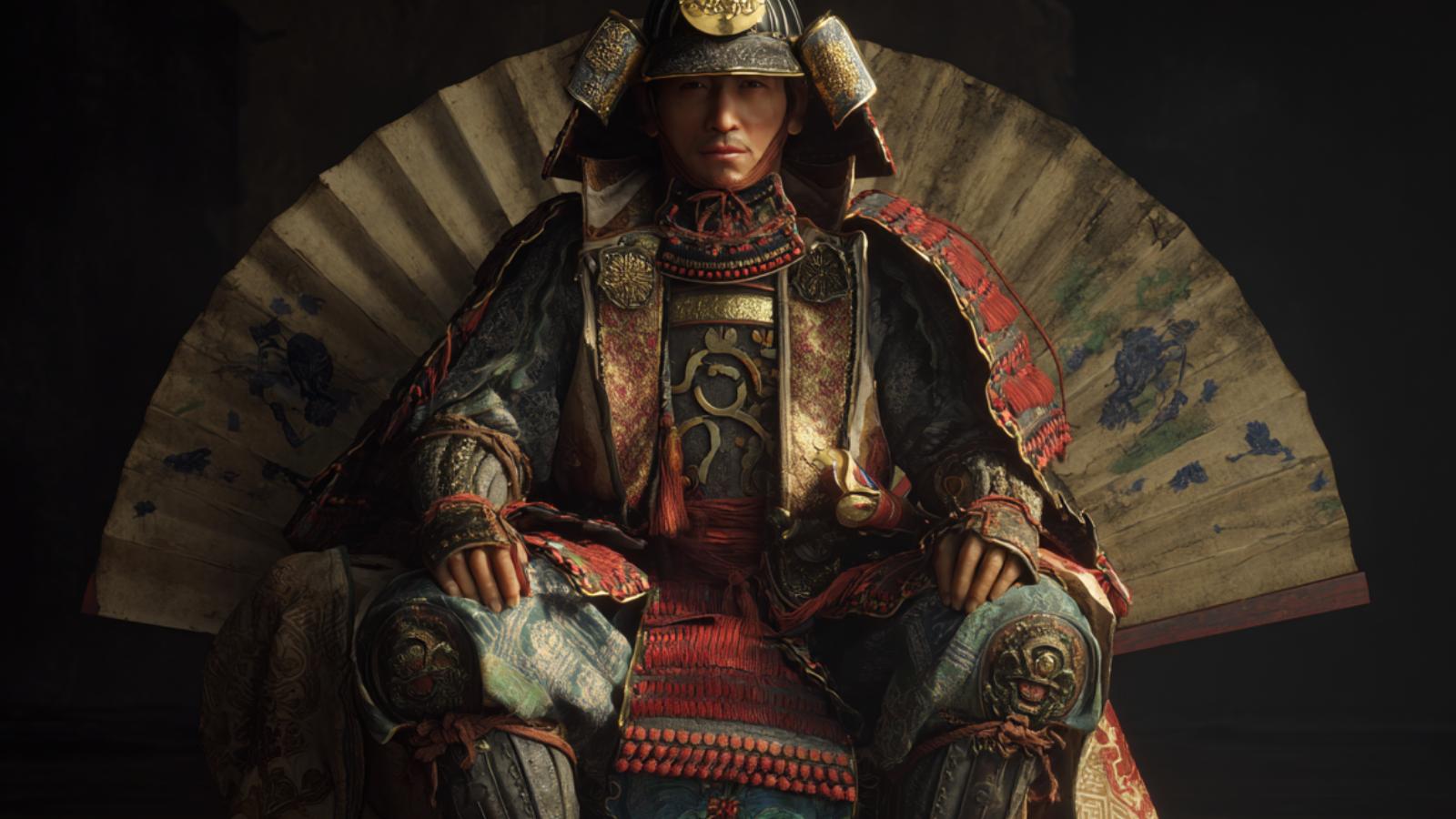
“勝つは勝つだが、戦の道は常には険しきものよ。”
— Winning is one thing, but the path of war is always fraught with difficulty.

| Lead 統率 |
Valor 武勇 |
Intel 知略 |
Pol 政治 |
|---|---|---|---|
| 75 | 65 | 80 | 70 |
| Name (JP) | 武田 信虎 |
|---|---|
| Title | Daimyo |
| Clan / Force | Takeda Clan |
| Era | 1510 – 1579 |
| Origin | Kai |
| Key Battles | |
| Arts | Ikebana |
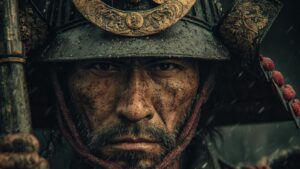
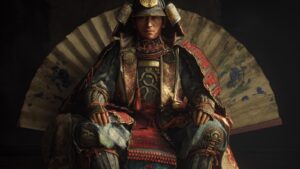
About Takeda Nobutora
He was the son of Takeda Nobuyoshi, and from an early age, Nobutora was exposed to the complexities of succession and the struggles for power inherent in the Sengoku era.
His familys lineage as Shugo (provincial constables) provided him with a strong foundation in governance and military traditions.
Nobutora ascended to the role of Daimyo following his fathers death and quickly began to consolidate power.
His leadership style emphasized military discipline and loyalty among his retainers.
Nobutoras strategic mind was evident in his early campaigns, where he successfully expanded his territories, employing tactics that utilized the rugged terrain to his advantage.
He restructured his forces and improved logistical capabilities, enabling him to compete with more powerful clans like the Uesugi and the Imagawa.
The pivotal of Nobutora’s career included confrontations with the Uesugi clan, where he showcased his strategic intelligence.
Though he faced many setbacks, his ability to refine his military strategies aided his reputation as a capable general.
Nobutoras most notable campaign was during the against the Uesugi-Takeda rivalry in the 1540s, which ultimately led to a short-lived stalemate.
Nevertheless, internal conflicts within the Takeda clan eventually led to his forced abdication by his son, Takeda Shingen, signaling a turning point in the clans fortunes.
Despite his eventual downfall and abdication, Takeda Nobutoras persisted through the continued prominence of the Takeda clan under his son.
His influence on military strategy, discipline, and governance left a that contributed to the of one of Japans most fearsome warlords, Takeda Shingen.
Nobutora is remembered as a pivotal figure in the transition of the Takeda clan during a tumultuous period in Japanese history, setting the stage for future conflicts and alliances that would shape the nation.
comment