
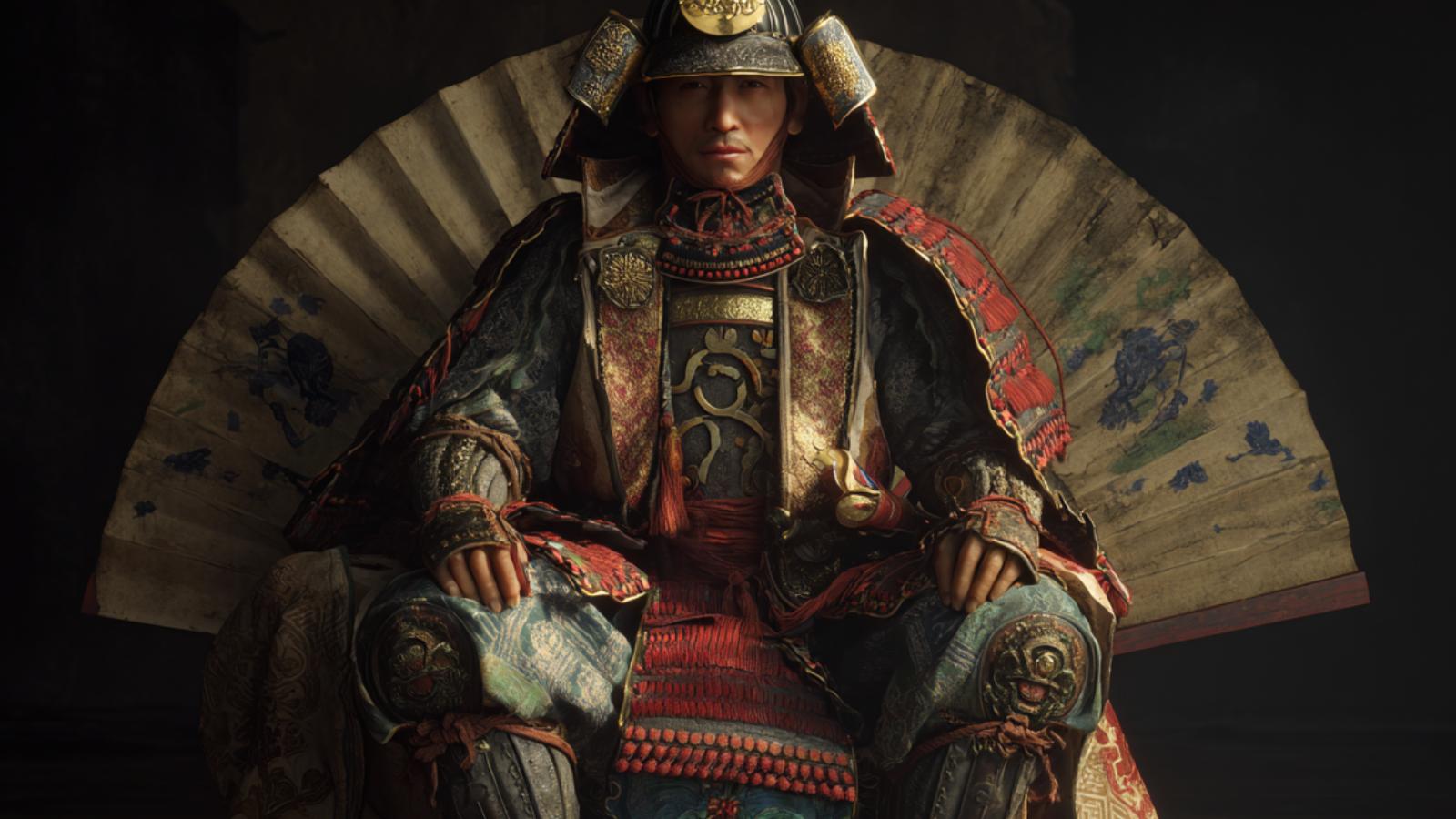
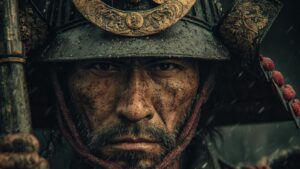
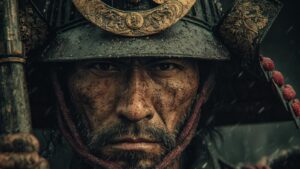
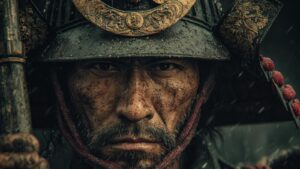
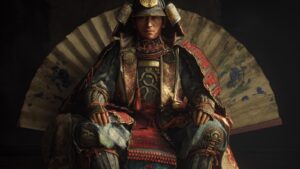
“困難を乗り越え、真の武士は毅然として立つ。”
— A true warrior stands resolutely, overcoming difficulties.

| Lead 統率 |
Valor 武勇 |
Intel 知略 |
Pol 政治 |
|---|---|---|---|
| 75 | 70 | 85 | 80 |
| Name (JP) | 高山 右近 |
|---|---|
| Title | Daimyo |
| Clan / Force | Miyoshi Clan |
| Era | 1550 – 1615 |
| Origin | Bizen |
| Key Battles | |
| Arts | Noh Theater |
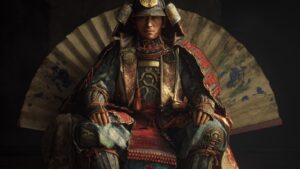
About Takayama Ukon
He was originally part of the Takayama clan and received a samurai education early in his life.
Sources indicate that he was not only trained in martial arts but also in the culture of Noh theater, which would later influence his values as a leader.
A devout Christian, he often found himself at a crossroads between his faith and the expectations of the warrior class during a time of religious strife in Japan.
Throughout his life, Yukon cultivated connections with various important figures, including Toyotomi Hideyoshi.
His loyalty to Hideyoshi positioned him as a critical figure during the upheavals of his time.
While his political prowess earned him respect, it was his intelligence that truly set him apart.
He actively worked to mediate conflict between different factions and was recognized for his diplomatic skills, often using his understanding of strategy to outmaneuver opponents.
Ukon participated in several key during his life, including the Siege of Osaka.
Despite his lesser-known status compared to other samurai of his time, he proved his mettle by leading forces effectively and showcasing courage in the face of overwhelming odds, all while maintaining his Christian faith.
His ability to influence through strategy rather than sheer force defined his approach to warfare, where he prioritized the welfare of his people.
After the defeat at Osaka, Ukon faced exile due to his loyalty to the Toyotomi clan and his faith.
He ultimately settled in the Philippines, where he continued to live as a samurai in exile.
Takayama Ukons as a man of faith and skill in governance resonates through history, showcasing the struggles of samurai who navigated the complexities of loyalty, duty, and personal belief.
His life story represents a unique blend of warrior ideology and deep-rooted principles, making him a notable figure in samurai history.
comment