
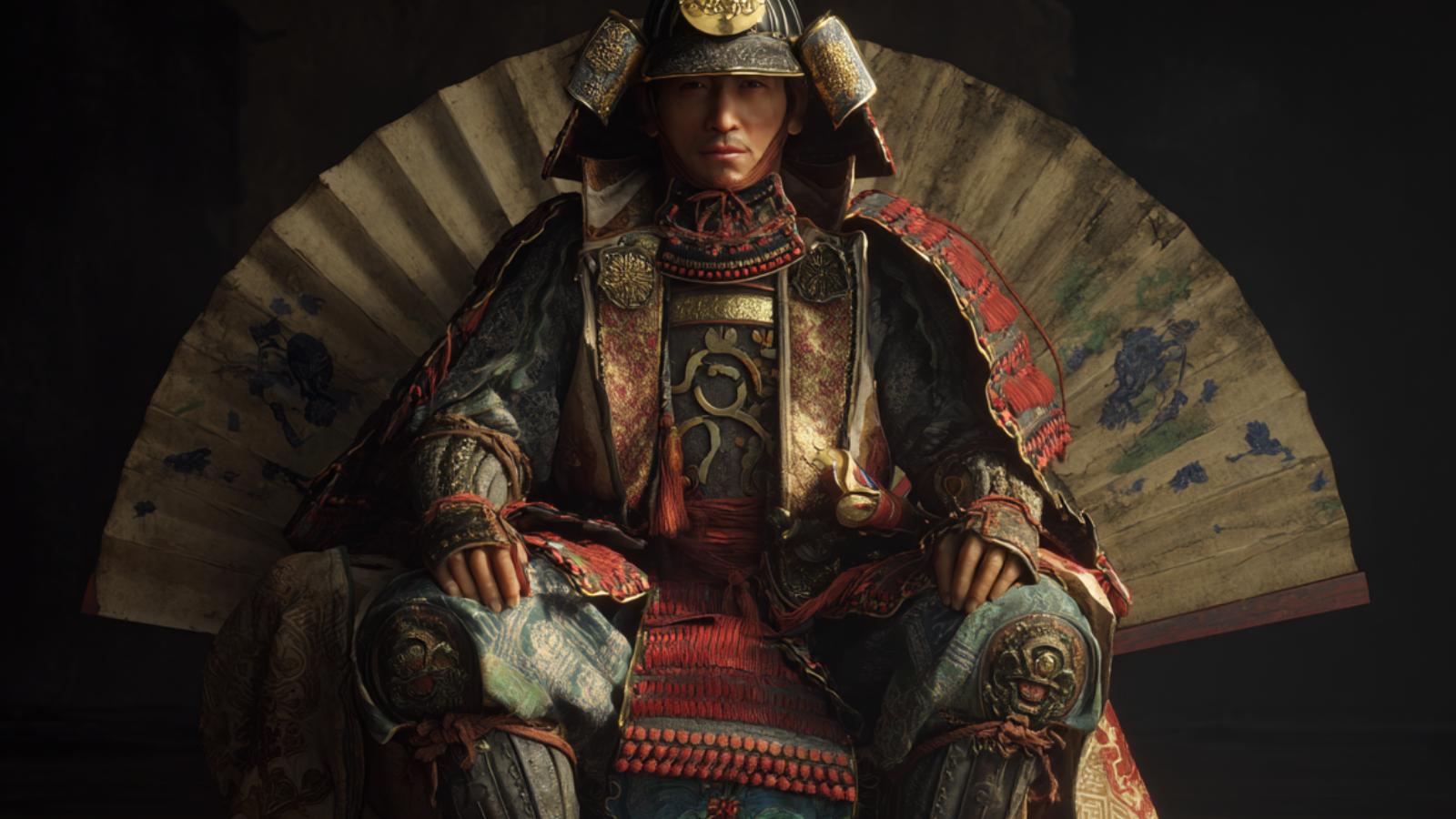
“戦は勝つためにあるのではなく、名を残すためにある。”
— Wars are not fought to win, but to leave a name behind.

| Lead 統率 |
Valor 武勇 |
Intel 知略 |
Pol 政治 |
|---|---|---|---|
| 74 | 69 | 76 | 62 |
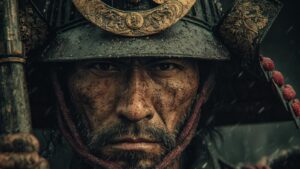
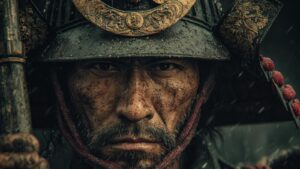
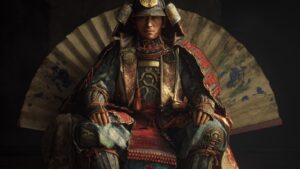
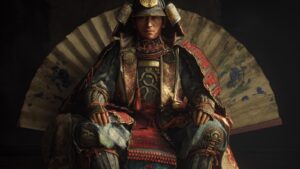
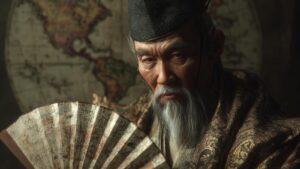
| Name (JP) | 高橋 紹運 |
|---|---|
| Title | Daimyo |
| Clan / Force | Taira Clan |
| Era | 1547 – 1604 |
| Origin | Kazusa |
| Key Battles | |
| Arts | Kintsugi |
About Takahashi Shoun
Coming from a family of shugo, he was raised with the expectations of leadership and the way of the sword.
He received training in martial arts and strategy from an early age, setting the foundation for his future as a capable leader and warrior.
Shoun began his to power during the tumultuous years of the late 16th century when provincial leaders competed for control and influence.
His ability to forge alliances and understand the political landscape earned him respect among his peers.
Brought into service by a neighboring daimyo, he quickly proved himself in smaller skirmishes and was soon tasked with leading larger forces.
His tactical acumen was admired by both friends and foes, making him a significant figure in his province.
Throughout his career, Shoun participated in various that marked the Sengoku period.
His most significant engagement was during the Siege of Kurobane, where his strategies helped to turn the tide in favor of his forces.
Despite facing more experienced generals, he displayed remarkable bravery on the battlefield, rallying his men and instilling courage in them.
While he was not the most renowned warrior, his leadership ensured that his troops respected and followed him into battle.
Takahashi Shouns influence persisted long after his death in 1604.
He is remembered as a capable daimyo who managed to unite various factions in Kazusa.
His approach to governance was notable for balancing warfare with development and culture, as evidenced by his patronage of kintsugi, the art of repairing pottery with gold.
While not a legend in the annals of samurai history, his contributions to his province and the way he navigated the complexities of his time have earned him a respected place in the history of feudal Japan.

comment