
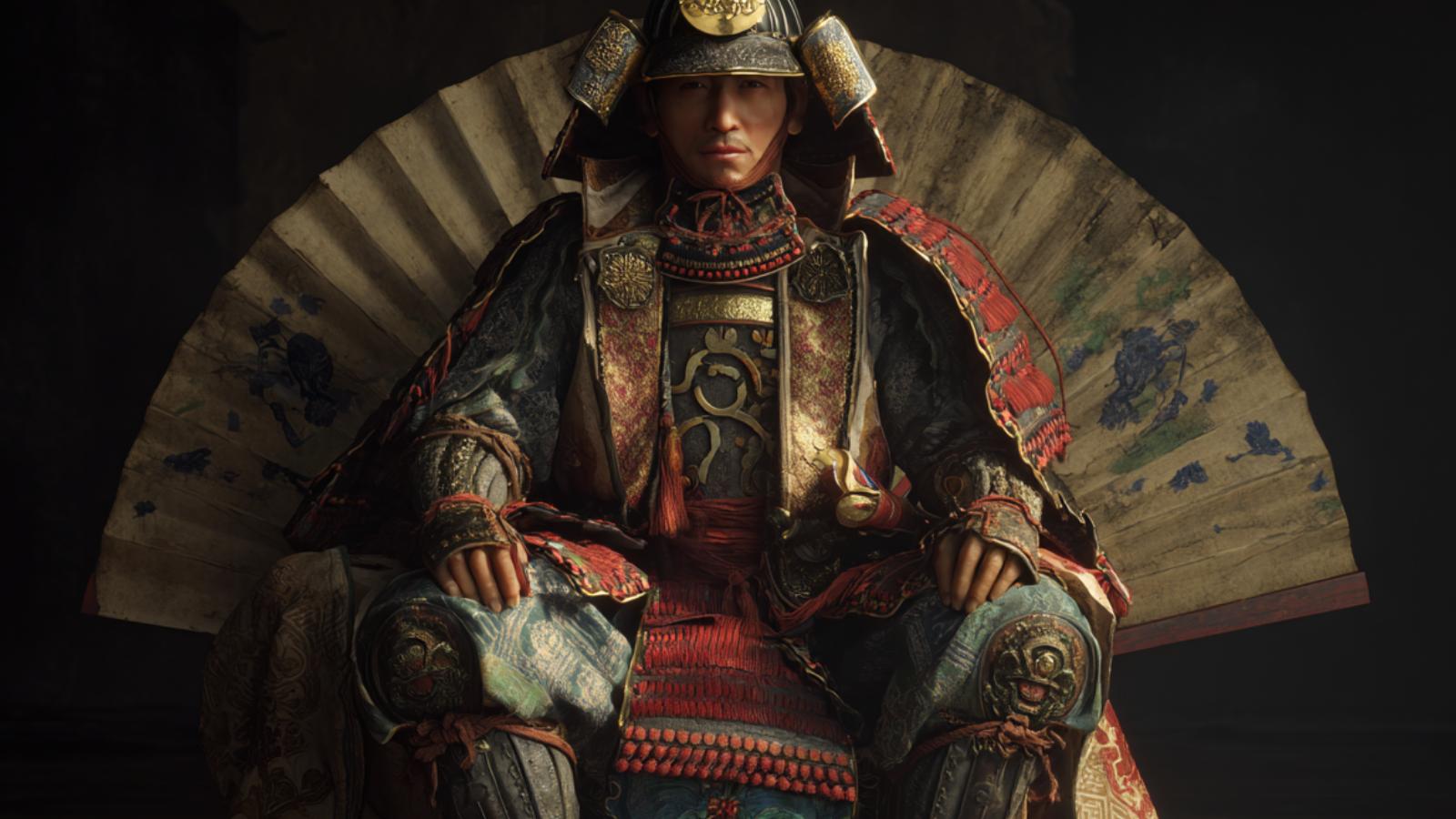
“強い風に耐える木は、より大きく育つ。”
— A tree that endures a strong wind grows larger.

| Lead 統率 |
Valor 武勇 |
Intel 知略 |
Pol 政治 |
|---|---|---|---|
| 75 | 70 | 80 | 72 |
| Name (JP) | 高橋 鑑種 |
|---|---|
| Title | Daimyo |
| Clan / Force | Unknown |
| Era | 1552 – 1617 |
| Origin | Mutsu |
| Key Battles | |
| Arts | Noh Theatre |
About Takahashi Akitane
Growing up during the chaotic Sengoku period, he was exposed to the intricate politics and warfare that defined this era.
His family’s status provided him with a foundation in leadership and governance from a young age.
Akitane was known for his sharp intellect and keen interest in the arts, particularly Noh Theatre, which played a significant role in shaping his understanding of culture and diplomacy.
As he matured, Akitane began to in the ranks by leveraging his family connections and displaying a natural aptitude for military strategy.
He served under several powerful Daimyos, where he honed his skills in leadership and governance.
His reputation as a capable general grew as he took part in numerous campaigns, demonstrating both valor and strategic brilliance.
Akitanes ability to adapt to changing circumstances on the battlefield earned him the respect of his peers and superiors alike.
Throughout his military career, Akitane engaged in several significant that cemented his as a skilled tactician.
He participated in skirmishes against rival clans, and his strategies often turned the tide in favor of his allies.
His leadership was marked by a propensity to inspire his troops, and he was known for leading from the front lines.
Despite the challenges of civil war, Akitane maintained his loyalty to his liege and emerged from conflicts with both territory and respect from his adversaries.
Takahashi Akitane died in 1617, leaving behind a as a competent leader and strategist.
His contributions to the political landscape of Mutsu and his commitment to the arts reflected the duality of a warrior and a cultured nobleman.
His life story remains a testament to the resilience and adaptability required for survival and success during one of Japans most turbulent historical periods.
Akitanes insights into leadership and his appreciation for cultural arts continue to inspire modern interpretations of the samurai ethos.









comment