
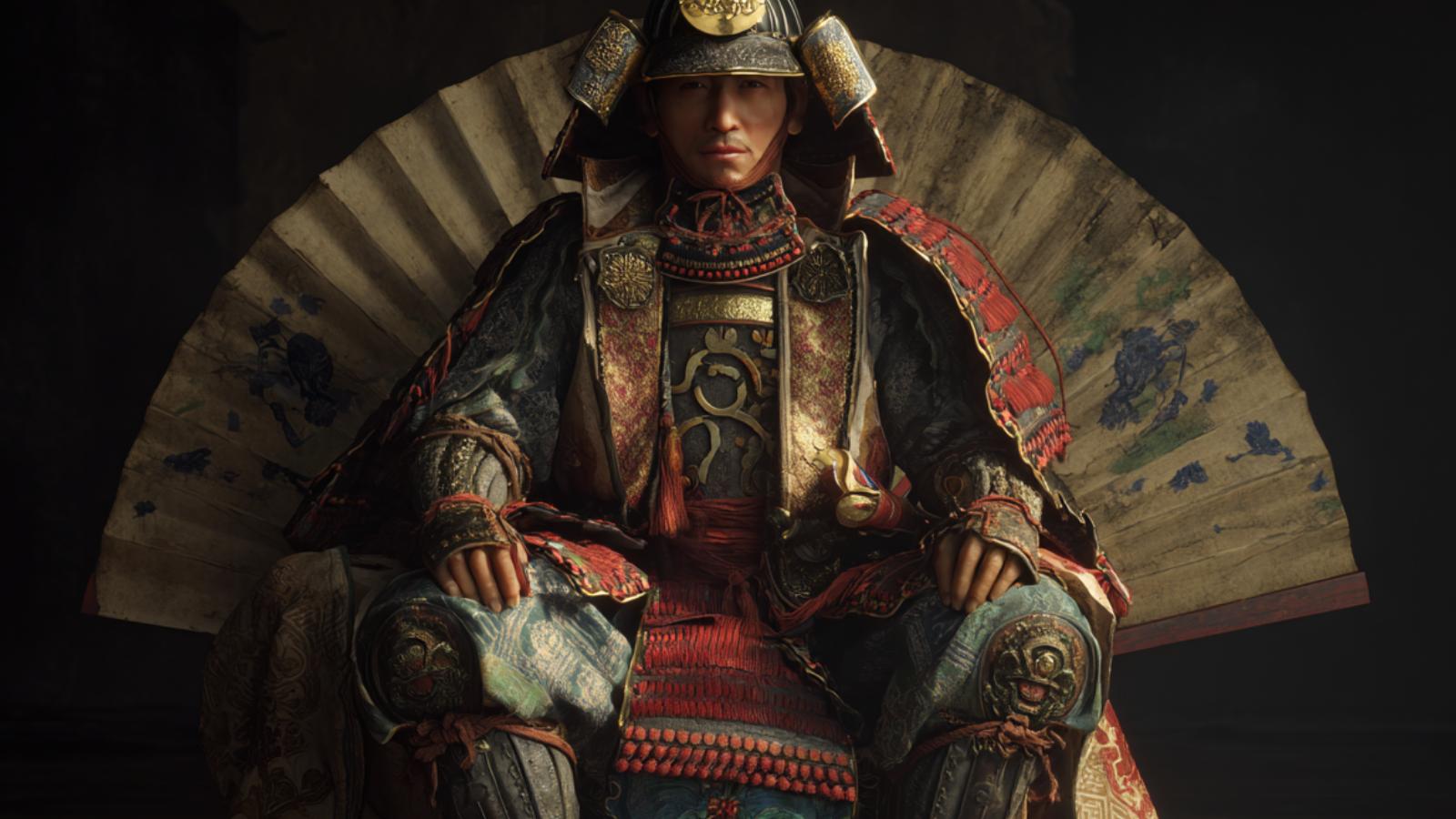
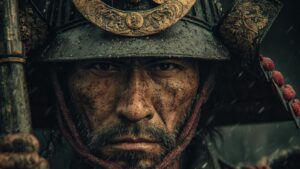
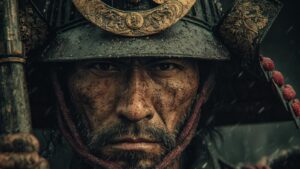
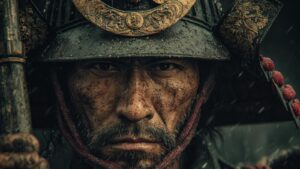
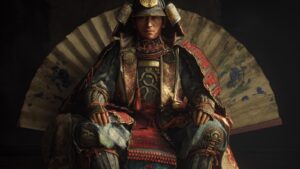
“我が信念は、武士の道を全うすることのみ”
— My conviction is only to fulfill the way of the samurai.

| Lead 統率 |
Valor 武勇 |
Intel 知略 |
Pol 政治 |
|---|---|---|---|
| 75 | 85 | 70 | 65 |
| Name (JP) | 立花 鎮虎 |
|---|---|
| Title | Daimyo |
| Clan / Force | Unknown |
| Era | 1560 – 1634 |
| Origin | Hizen |
| Key Battles | |
| Arts | Noh Theater |
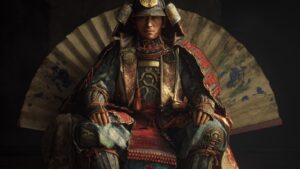
About Tachibana Shigetora
From a young age, he was exposed to the bushido code and the responsibilities of a samurai, honing his skills in combat and strategy under the guidance of his father.
He was part of a turbulent era marked by civil strife and the of powerful clans in Japan.
As he reached adulthood, Shigetora began to carve out his place among the samurai elite.
His early military campaigns against rival clans showcased his leadership abilities and combat skills.
By the time he was in his 30s, he had gained recognition for his successful raids and defense of his province, earning his as a daimyo.
His governance drew admiration for its focus on fortification and stability, helping to secure the loyalty of his retainers and the populace.
One of the significant highlights of Shigetora’s military career was his involvement in the *Siege of Kumamoto* and various skirmishes against the advancing forces of the Tokugawa shogunate.
His tactical mind allowed him to navigate complex battle scenarios, though he faced mixed outcomes against formidable opponents.
Although his forces never achieved the legendary status of contemporaries, his valor and personal courage in battle earned him respect and loyalty among his troops.
Tachibana Shigetora passed away in 1634, leaving behind a defined by his contributions to samurai culture and military history.
He is remembered not just as a warrior, but also as a loyal leader who strived to maintain peace and order in his province during a chaotic time in Japanese history.
His dedication to the way of the samurai continues to inspire future generations of warriors and leaders.
comment