
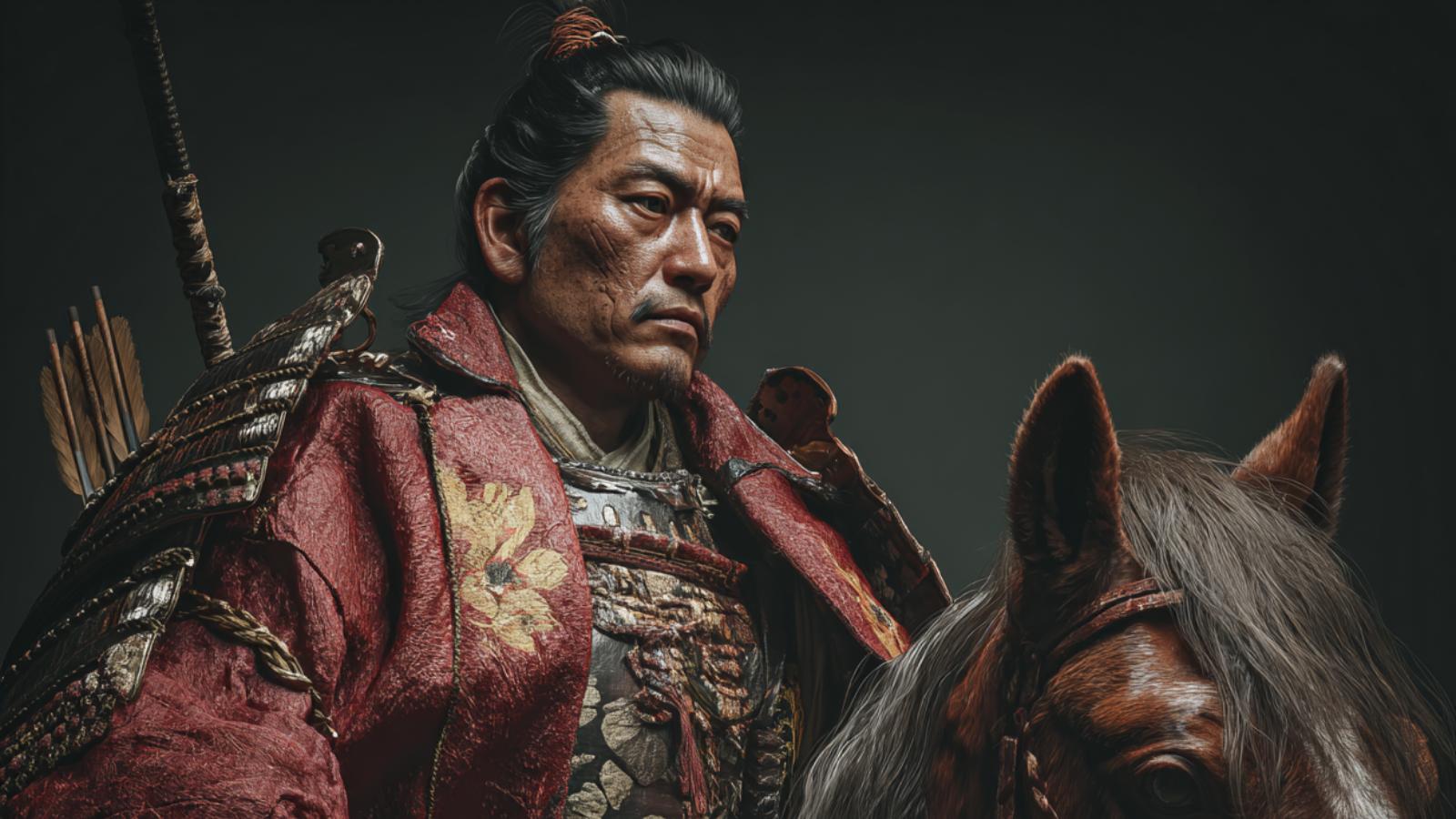
“武士たる者、信義を重んじよ。”
— A warrior must value loyalty and honor.

| Lead 統率 |
Valor 武勇 |
Intel 知略 |
Pol 政治 |
|---|---|---|---|
| 85 | 78 | 80 | 75 |
| Name (JP) | 立花 宗茂 |
|---|---|
| Title | Daimyo |
| Clan / Force | Tachibana Clan |
| Era | 1560 – 1642 |
| Origin | Chikuzen |
| Key Battles | |
| Arts | Noh Theater |
About Tachibana Muneshige
He was trained from a young age in the arts of combat and governance, which would serve him well in his future endeavors.
His upbringing instilled in him the traditional values of honor and loyalty, which defined his career as a warrior.
Muneshige initially served under the powerful daimyo, Kuroda Yoshitaka, and quickly earned a reputation for his military prowess and strategic mind.
His notable contributions during various campaigns solidified his position within the clan.
Over time, he showcased not only his combat skills but also his diplomatic talents, which aided in uniting forces for greater ambitions.
His was characterized by a deep commitment to his lord and the samurai code, which earned him the respect of peers and adversaries alike.
Throughout his lifetime, Muneshige participated in numerous significant, showcasing his leadership and valor.
One of his most notable engagements was during the Siege of Fushimi Castle, where his strategic acumen turned the tides in favor of his allies.
He was known for leading his men with integrity and courage, often leading charges into battle personally, which boosted morale among his troops.
Despite the chaotic nature of the Sengoku period, he managed to maintain a level of order within his territories, reflecting his capable governance.
Tachibana Muneshige passed away in 1642, leaving behind a as a steadfast leader and warrior.
His commitment to loyalty and strategy has been celebrated in historical accounts and has contributed to the classical understanding of samurai values in Japan.
Today, he is remembered not just as a capable general, but as a figure who embodied the very essence of what it meant to be a loyal samurai in turbulent times.







comment