
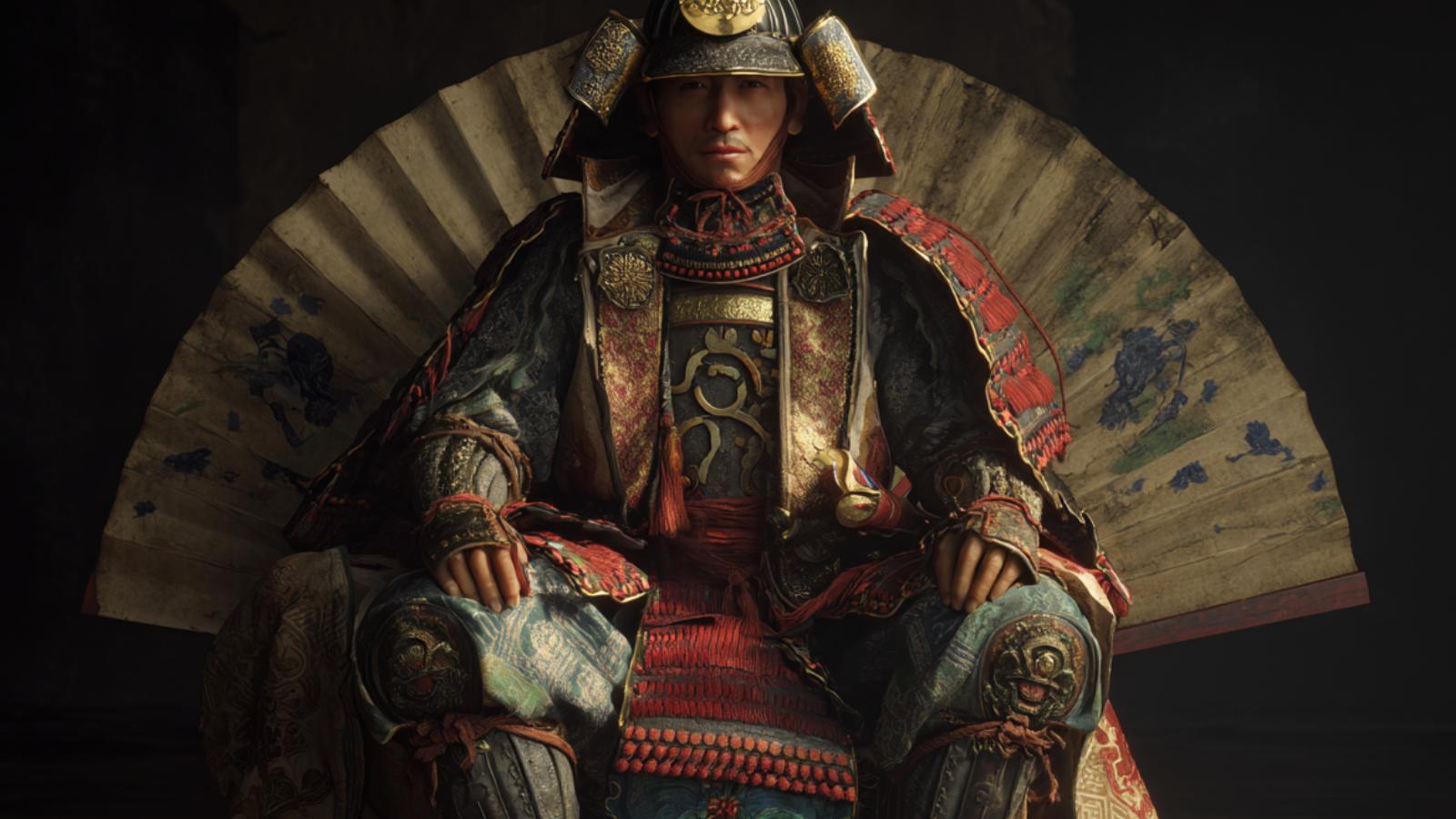
“武士は勝つことに喜びを求めず、正義に生きることが大切である。”
— A samurai seeks not joy in victory, but values living justly.

| Lead 統率 |
Valor 武勇 |
Intel 知略 |
Pol 政治 |
|---|---|---|---|
| 70 | 65 | 75 | 70 |
| Name (JP) | 諏訪 頼重 |
|---|---|
| Title | Daimyo |
| Clan / Force | Suwa Clan |
| Era | 1516 – 1576 |
| Origin | Suwa |
| Key Battles | |
| Arts | Noh Theatre |
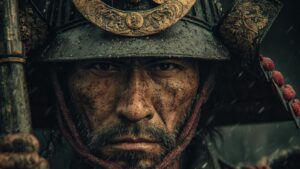
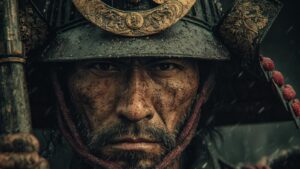
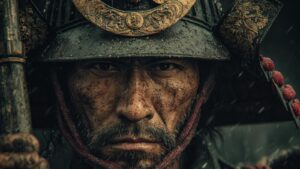
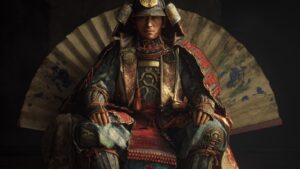
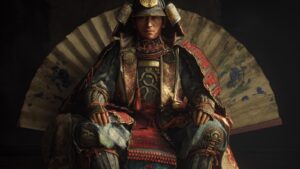
About Suwa Yorishige
He was raised in a family of Shugo, which provided him with a substantial understanding of the responsibilities of leadership and governance.
His upbringing was steeped in the traditions of samurai culture, which would later inform his strategies in warfare and politics.
As a young man, Yorishige demonstrated exceptional abilities in both command and personal valor, earning him respect among his peers.
By the mid-16th century, he became a prominent figure in the region, navigating the tumultuous landscape of alliances and rivalries that characterized the Sengoku period.
He ascended to the of Daimyo of Suwa, where he began consolidating power and forming alliances with other regional warlords.
Yorishige participated in several key throughout his career, employing his keen intellect to devise strategies that maximized his forces effectiveness.
His leadership during conflicts such as the against the Takeda clan showcased his capabilities, earning recognition among contemporaries.
Despite not being a legendary warrior like some of his counterparts, Yorishiges combination of tactical acumen and integrity made him a respected figure in military and political circles.
After his death in 1576, Suwa Yorishige left behind a defined by his dedication to justice and governance.
His thoughts on noble conduct and leadership principles continued to influence samurai culture long after his passing.
He is remembered not just as a capable general but also as a man committed to nobility and fairness in the often chaotic world of 16th-century Japan.
comment