
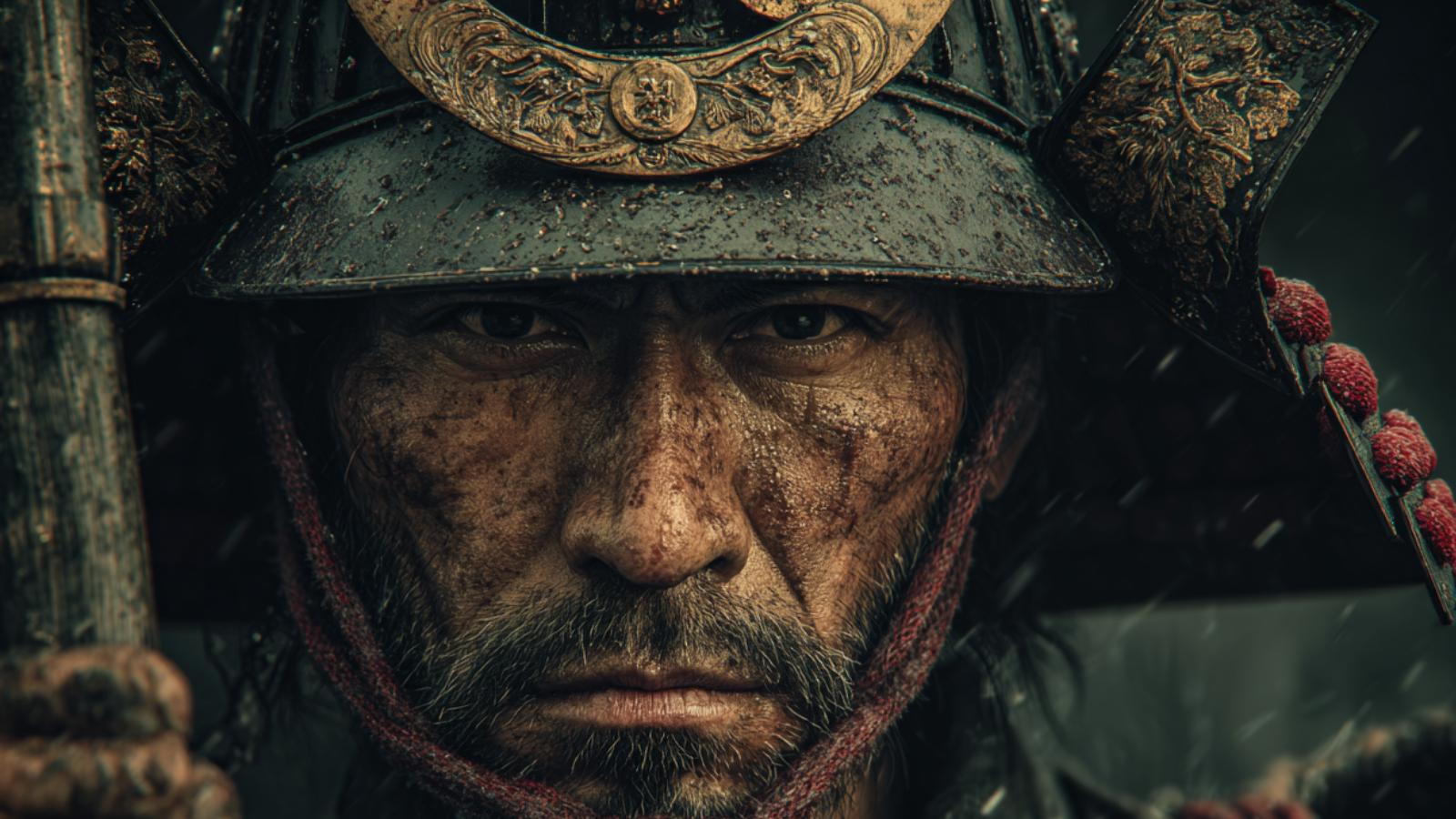
“優れた戦略なくして、勝利はない。”
— Without superior strategy, there is no victory.

| Lead 統率 |
Valor 武勇 |
Intel 知略 |
Pol 政治 |
|---|---|---|---|
| 72 | 67 | 75 | 65 |
| Name (JP) | 薄田 兼相 |
|---|---|
| Title | Chief Retainer |
| Clan / Force | Unknown |
| Era | 1539 – 1602 |
| Origin | Bungo |
| Key Battles | |
| Arts | Martial Arts |
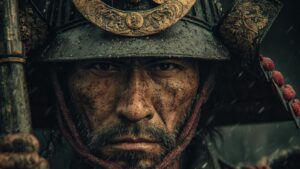
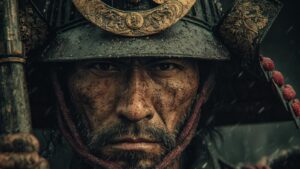
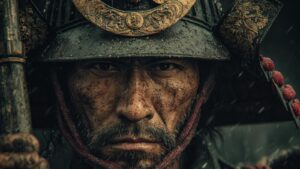
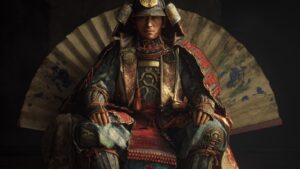
About Susukida Kanesuke
His early exposure to military tactics and governance shaped his future as a samurai.
Brought up amidst the conflicts of the Sengoku period, Kanesuke was trained in various martial arts and developed a keen intellect for strategy and warfare.
As a young samurai, he began serving a local lord, where he quickly gained recognition for his abilities.
His tactical decisions during skirmishes set him apart from his peers, garnering the trust of his lord and securing his position as a chief retainer.
Kanesukes reputation continued to grow as he participated in several significant, demonstrating both valor and tactical intelligence, vital traits for a successful samurai during this tumultuous era.
Throughout his career, Kanesuke fought bravely alongside notable generals of the time, participating in key conflicts that shaped the power dynamics of Japan.
He was especially renowned for his deeply strategic approaches, often outmaneuvering opponents.
His valor on the battlefield complemented his ability to lead troops effectively, earning him respect not just from his allies but also from adversaries.
Though not as famous as some of his contemporaries, Susukida Kanesuke’s contributions to the military strategies of the time laid foundations for future generations of samurai.
His life reflects the qualities that defined the era—courage, loyalty, and strategic genius.
Kanesuke’s teachings and approaches continue to be studied by those interested in samurai history and military strategy.
His endures as a representation of the noble samurai virtues in an age characterized by conflict and ambition.
comment