
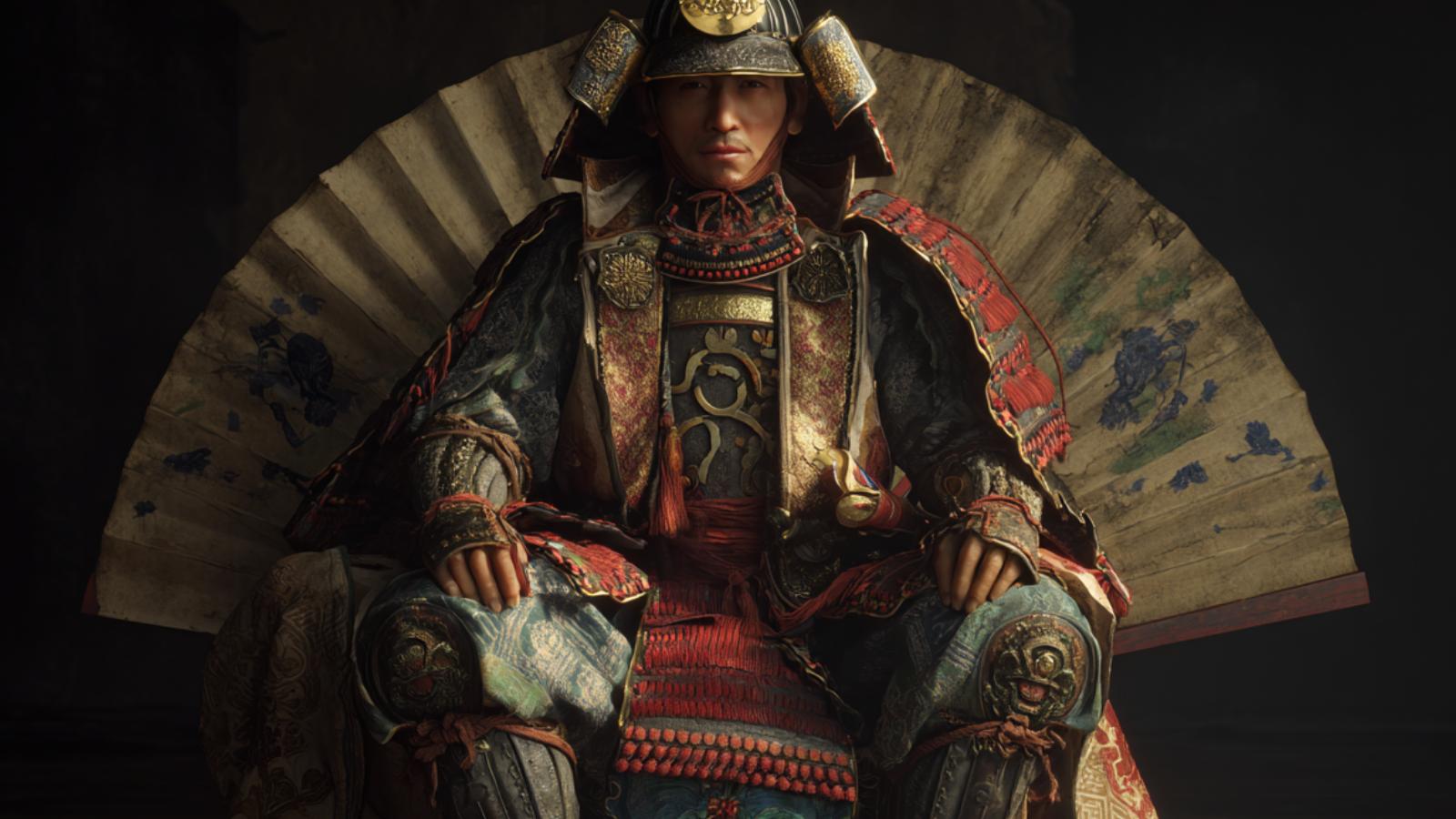
“商いは人の心をつかむ力なり”
— Business is the power to capture people’s hearts.

| Lead 統率 |
Valor 武勇 |
Intel 知略 |
Pol 政治 |
|---|---|---|---|
| 70 | 50 | 80 | 75 |
| Name (JP) | 角倉 素庵 |
|---|---|
| Title | Daimyo |
| Clan / Force | Unknown |
| Era | 1554 – 1632 |
| Origin | Kii |
| Key Battles | |
| Arts | Trading and Commerce |
About Suminokura Soan
Coming from a merchant background, he learned the intricacies of trade and commerce at an early age.
His family was known for their successful trading ventures, which greatly influenced his understanding of economics and diplomacy.
Qualified tradesmen in this period often rose to prominence due to their financial acumen and connections rather than traditional noble lineage.
Soan quickly established himself as a skilled negotiator and trader in the competitive markets of the era.
His ability to navigate the complexities of the socio-political landscape allowed him to forge strong relationships with local daimyos and maintain significant trade routes.
By the time he reached middle age, he had gained a substantial amount of wealth and influence, culminating in his elevation to the status of daimyo.
His connections in the marketplace translated effectively into governmental power, enabling him to govern his province with a focus on economic growth.
While not primarily known as a military leader, Suminokura Soan’s administration was marked by several conflicts with rival lords seeking to disrupt the trade routes he had established.
His strategic acumen allowed him to form alliances that not only safeguarded his interests but also served to pacify potential threats.
Utilizing both diplomacy and a show of force when necessary, he managed to maintain stability in his region throughout the tumultuous times of the late 16th and early 17th centuries.
Suminokura Soan died in 1632, leaving behind a as a shrewd businessman and respected lord.
He is remembered for his contributions to Japanese commerce and trade, setting a precedent for merchant-lords in subsequently centralizing power in the Edo period.
His life illustrates how figures from non-noble backgrounds could ascend in the ranks of society through intelligence, strategy, and the forging of strong economic landscapes.









comment