
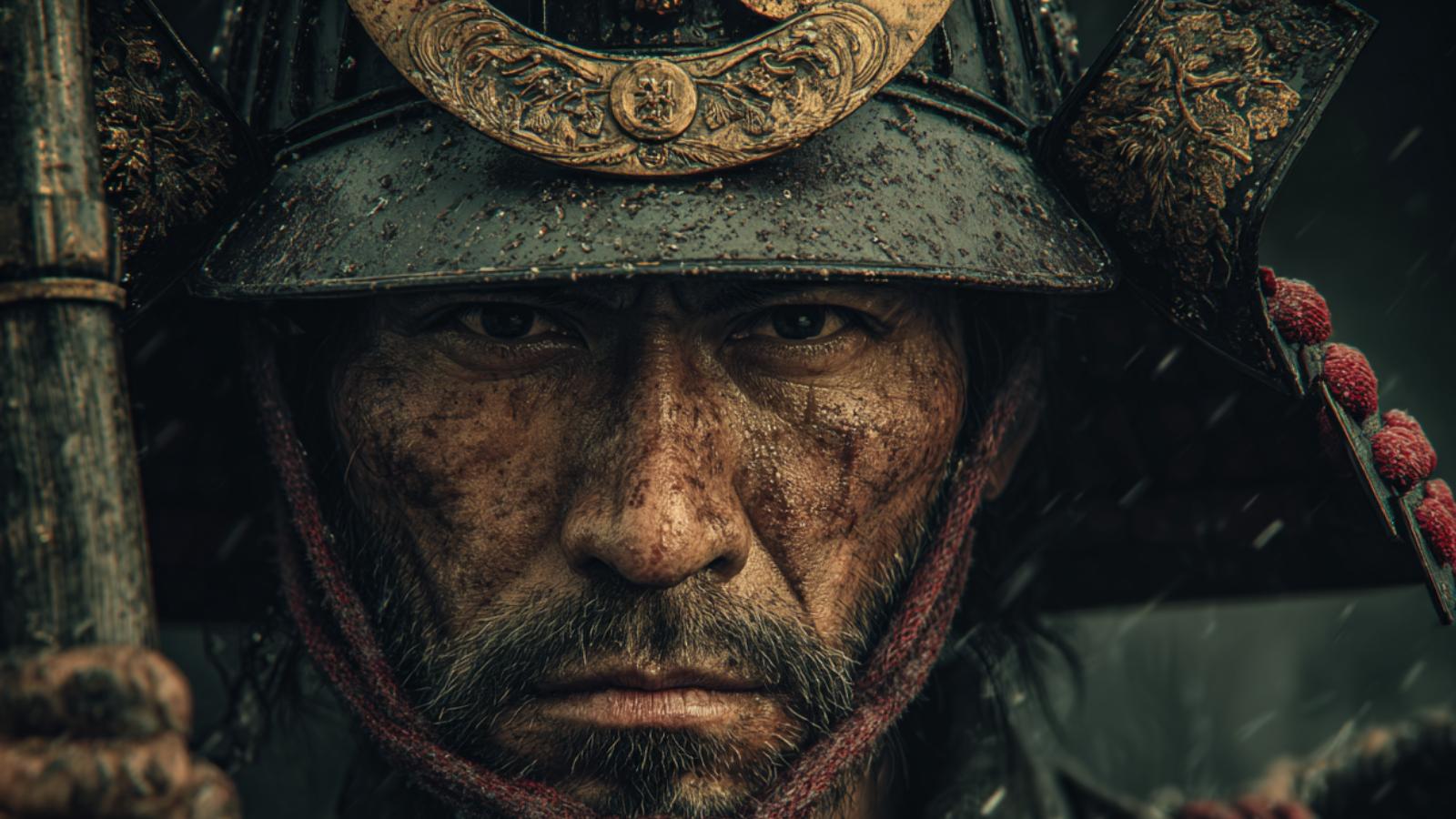
“風雅は心のすみ所なり。”
— Elegance is the resting place of the heart.

| Lead 統率 |
Valor 武勇 |
Intel 知略 |
Pol 政治 |
|---|---|---|---|
| 70 | 55 | 85 | 60 |
| Name (JP) | 宗祇 |
|---|---|
| Title | Samurai |
| Clan / Force | Unknown |
| Era | 1421 – 1502 |
| Origin | Owari |
| Key Battles | |
| Arts | Poetry |
About Sogi
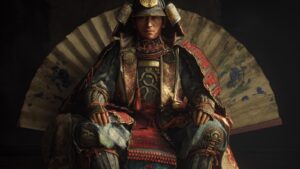
Coming from a family of Shugo, Sogi was exposed to the samurai code and arts from a young age, which shaped his dual path as both a warrior and a poet.
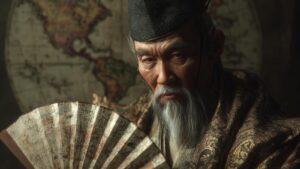
He became deeply engaged in the aesthetics of life, embracing tea ceremonies and the world of poetry, particularly through the medium of linked-verse (renga).
Sogis status grew as he established himself in the cultural circles of the time, becoming a prominent figure in the Muromachi period.
While he was recognized primarily for his literary contributions, Sogi also possessed the qualities of a capable samurai, which he maintained throughout his life.
His works often reflected a blend of his samurai spirit and poetic sensibility, earning him respect among his contemporaries.
He was not a warrior like some of his peers; instead, he set out to illustrate the deeper matters of life through his verses.
Though Sogi was not primarily known as a military leader, he lived during a time of significant upheaval, marked by the constant conflicts between various daimyos.
His poetry often captured the essence of war and the ephemeral nature of life, showcasing the samurai’s internal struggles during times of conflict.
With personal valor deemed average, his contributions lay more in the realm of thought and culture than in the battlefield.
Nevertheless, he served as a retainer, representing the ideals of compassion and wisdom over brute strength.
Sogis influence extended beyond his lifetime, as he paved the way for future generations of poets and samurai who admired his unique blend of martial and poetic pursuits.
His works inspired a cultural renaissance in Japan, allowing the arts to flourish, while his insights into the human condition echoed in the hearts of many.
To this day, he is celebrated not just as a samurai but as a philosopher and poet, a man whose heart found elegance in simplicity and profoundness in the fleeting moments of existence.




comment