
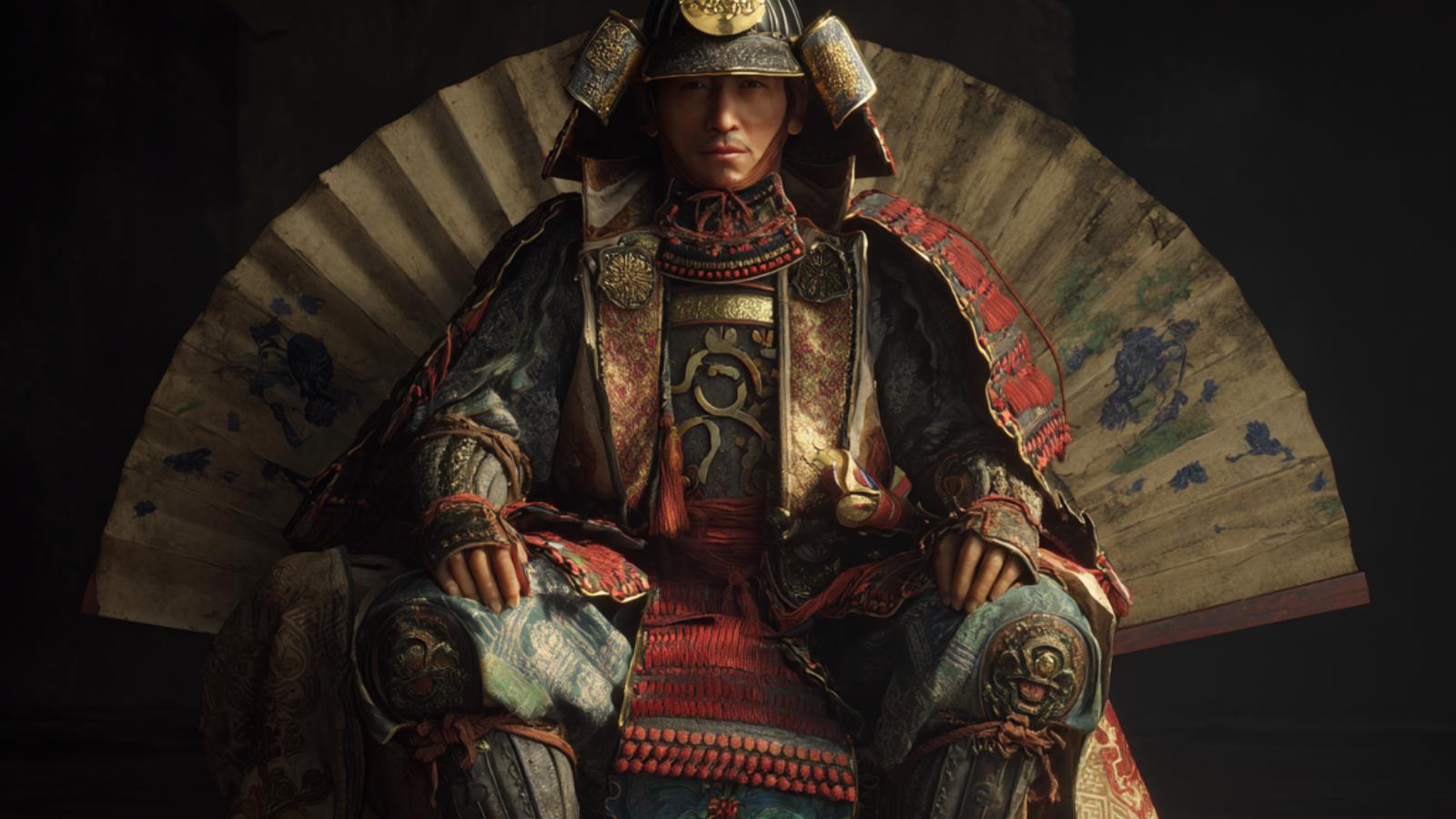
“武士は死を恐れず、真実に生きるものなり。”
— A warrior fears not death; he lives in truth.

| Lead 統率 |
Valor 武勇 |
Intel 知略 |
Pol 政治 |
|---|---|---|---|
| 72 | 68 | 75 | 70 |
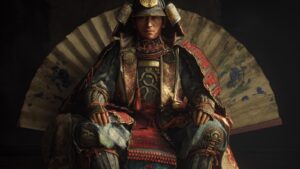
| Name (JP) | 白石 宗実 |
|---|---|
| Title | Daimyo |
| Clan / Force | Date Clan |
| Era | 1556 – 1628 |
| Origin | Mutsu |
| Key Battles | |
| Arts | Calligraphy |
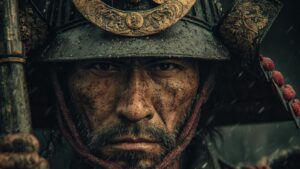
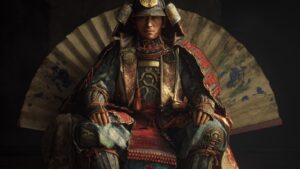
About Shiroishi Munezane
Born into a samurai family, he was taught the Zen principles of warfare and discipline from a young age.
Munezane showed early promise in both combat and strategy, a combination that would serve him throughout his turbulent life in the Sengoku period.
His family had strong ties to the ruling powers, and he quickly learned the importance of loyalty and rank in the battle for power.
As tensions escalated across Japan, Munezane rose through the ranks during the chaotic period marked by constant warfare.
He became a retainer to a powerful daimyo, where he honed his skills in battle and strategic planning.
His leadership abilities were noted during significant campaigns against rivals, where he displayed both courage and tactical acumen.
Munezane established himself as a capable general, quickly earning the respect of his peers and superiors.
Eventually, he ascended to the of Daimyo, commanding a formidable force that threatened the stability of his enemies.
Munezane participated in numerous skirmishes and, where his valor stood out.
Though not as widely renowned as some of his contemporaries, his contributions were crucial to the successes of his clan.
In particular, during the Siege of Kunohe, his strategies led to significant victories that bolstered his reputation.
Despite the challenges he faced, his troops remained loyal, inspired by his unwavering dedication to their cause and his tactical methods that often highlighted creativity and adaptability.
Shiroishi Munezanes impact was felt not only on the battlefield but also in the cultural sphere, where he promoted the art of calligraphy among his retainers and local artisans.
His lives on in the stories of his valor and loyalty, as well as in the art he helped to cultivate.
Munezane passed away in 1628, leaving behind a reputation as a capable and respected leader who played a vital role in Japans history during a time of great upheaval.
comment